Size
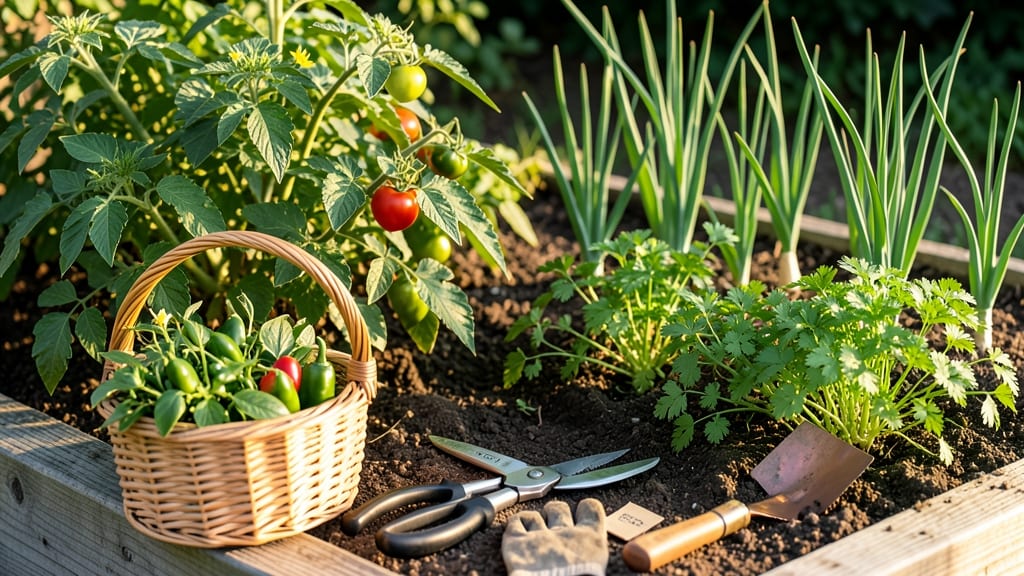
Your kitchen table could be piled with fresh salsa ingredients by midsummer. 🌶️ This salsa garden grows everything you need—jalapeños, serranos, tomatoes, cilantro, and onions—in containers that fit balconies or patios. No yard? No problem. The secret is matching plants to pots and keeping them happy with sunlight and water.
Start with 5-gallon containers for peppers and tomatoes, and smaller pots for herbs. Plant jalapeños and serranos together—they thrive in the same conditions—and add a tomato plant nearby for that classic salsa base. Cilantro and onions go in their own pots since they bolt faster and need different care.
By August, you’ll be harvesting peppers that pack real heat, tomatoes with perfect texture, and herbs that smell like summer. The best part? You’ll save money and eat fresher, tastier salsa than anything store-bought. Even if you’ve killed plants before, this setup is hard to mess up.
Works in any climate with the right adjustments—just tweak watering for hot summers or protect pots from frost. Ready to grow your own? Let’s get those containers planted!
📚 In This Guide
- What you need
- Instructions
- Tips and common mistakes
- Wrapping up and next steps
What you need
- ● Containers or Growing Space: 5-gallon pots (minimum) for peppers (3–5 plants)
- ● 3–4-inch pots for herbs (cilantro, basil, etc.)
- ● Well-draining containers with drainage holes (or a raised bed if gardening in-ground)
- ● Soil: 1–2 bags of high-quality potting mix (sterile, well-draining)
- ● 1–2 cups of perlite or vermiculite (for aeration)
- ● 1–2 cups of compost or worm castings (for nutrients)
- ● Seeds or Seedlings: 3–5 jalapeño, serrano, or habanero seeds/seedlings (for heat!)
- ● 2–3 tomato seeds/seedlings (roma or cherry for freshness)
- ● 1–2 onion or garlic bulbs (for depth of flavor)
- ● 1–2 cilantro or basil plants (for fresh herbs)
- ● Fertilizer: Balanced liquid fertilizer (10-10-10) or organic fish emulsion
- ○ Slow-release granular fertilizer (optional, for long-term growth)
- ● Hand trowel or small garden fork
- ● Measuring cup (for soil amendments)
- ● Spray bottle (for seedling hydration)
- ● Gloves (to protect your hands from spicy peppers!)
- ● Pruning shears (for harvesting and trimming)
- ● pH testing kit (to ensure soil is 6.0–7.0)
Step-by-Step instructions for growing a salsa garden in containers
Let’s build a vibrant salsa garden that thrives in pots—packed with heat and flavor, ready for harvests all season long.
🌱 Step 1: Select the Right Containers and Soil Mix
Choose 5-gallon containers for each pepper plant (they’ll need room to grow) and 3-gallon pots for herbs like cilantro, basil, and onions. Make sure each has drainage holes—peppers hate soggy roots. I use terracotta pots because they breathe better than plastic, but any sturdy container works.
Fill the bottom 2 inches of each pot with gravel or perlite for drainage. Then add a high-quality potting mix mixed with compost (about 20% compost by volume). This combo gives peppers the nutrients they crave while keeping soil loose. Tap the pots gently to settle the mix—you want it fluffy but not airy.
🌿 Step 2: Plant Peppers and Herbs with Precision
Start with pepper seedlings (like jalapeños, serranos, or habaneros) and plant them 1 inch deeper than their current soil line. Space them 12 inches apart in larger containers if growing multiple varieties. Herbs like cilantro and basil can share 3-gallon pots but need their own space—crowding stunts growth.
For seeds (like cilantro or chives), sprinkle them ¼ inch deep and keep them moist until sprouts appear. I like to label each pot right away—peppers and herbs look similar until they mature, and you’ll want to know which is which when harvest time comes.
☀️ Step 3: Position for Sun and Water Wisely
Place your containers in a spot that gets full sun (6+ hours daily)—peppers and herbs thrive with warmth. If you’re in a shady spot, opt for heat-tolerant varieties like Thai chilies or use a grow light for 12 hours a day. Rotate pots quarter-turn weekly so plants grow straight, not lopsided.
Water deeply but infrequently—peppers need 1 inch of water per week, but let the top 1-2 inches of soil dry out between waterings. Overwatering causes blossom-end rot in peppers, so I check soil moisture by sticking my finger in. If it’s dry, water; if damp, wait. Herbs like cilantro prefer slightly moister soil, so adjust as needed.
✂️ Step 4: Prune and Fertilize for Maximum Flavor
When pepper plants hit 12 inches tall, pinch off the top set of leaves to encourage bushier growth. This might seem counterintuitive, but it leads to more peppers and stronger plants. For herbs like basil, snip leaves regularly—this prompts new growth and keeps them from bolting (flowering too soon).
Feed peppers with a balanced fertilizer (10-10-10) every 4-6 weeks—they’re heavy feeders. Herbs like cilantro and parsley don’t need much, but a light dose of fish emulsion once a month keeps them lush. Stop fertilizing 4-6 weeks before harvest so flavors aren’t diluted.
🌶️ Step 5: Harvest and Enjoy Your Salsa Garden
Peppers are ready to harvest when they reach full color and size—jalapeños turn green to red, serranos stay green but firm up. Pick them regularly to encourage more production. For herbs, harvest leaves in the morning when oils are most potent. Store peppers in the fridge for up to 2 weeks or freeze them for later salsa-making.
Here’s the thing—the more you harvest, the more your plants produce. I like to keep a small cutting board nearby so I can snip and taste as I go. By mid-summer, you’ll have enough peppers and herbs for homemade salsa every week—just chop, mix, and enjoy the fruits of your labor.
Tips & tricks for perfect container-grown salsa ingredients
Here's what nobody tells you about growing bold flavors in limited space.
Container Size Matters: Those 5-gallon pots for peppers aren't just arbitrary—they provide the perfect balance between root space and water retention. I've seen peppers in smaller pots struggle by mid-summer, especially serranos which are vigorous growers. For herbs in 3-gallon pots, remember they'll only need about half the volume of peppers, so don't overcrowd.
Soil Science: The 20% compost mix in Step 1 is non-negotiable for peppers—they're heavy feeders and need consistent nutrients. I've learned the hard way that skipping compost leads to pale, flavorless peppers. For herbs, you can actually reduce compost to 10% since they're lighter feeders. The key is keeping that soil fluffy; I use my fingers to gently break up any clumps after tapping pots.
Sunlight Strategy: That 6+ hours of full sun requirement is critical, but here's the thing—morning sun is more important than afternoon. I've noticed my peppers develop better flavor when they get that direct morning sunlight. If you're using grow lights for 12 hours, position them about 6 inches above the plants and keep them on a timer to mimic natural daylight patterns.
Harvesting Hack: The more you harvest, the more your plants produce—but there's a science to it. For peppers, I wait until they're fully colored and firm, then twist gently at the stem. For herbs, I harvest in the morning when oils are most potent, and I never take more than one-third of the plant at once. This keeps them producing continuously all season.
Pro Tips for Grow A Salsa Garden
- Here's what nobody tells you about growing bold flavors in limited space.
- Container Size Matters: Those 5-gallon pots for peppers aren't just arbitrary—they provide the perfect balance betwee...
- Soil Science: The 20% compost mix in Step 1 is non-negotiable for peppers—they're heavy feeders and need consistent n...
Frequently asked questions
Got questions about growing your own salsa garden?
Here are some of the most common ones—plus quick, practical answers to help you get started without the guesswork!
Can I grow a salsa garden in containers if I don’t have a yard?
Most salsa ingredients—like peppers, tomatoes, cilantro, and onions—thrive in containers as long as they have at least 5–6 inches of soil depth and good drainage. Just choose lightweight pots (fabric grow bags work great!) and place them in a spot with 6+ hours of sunlight daily. This section covers the best container sizes and setups.
How long does it take to grow enough ingredients for a big batch of salsa?
Timing depends on what you’re growing:
- Peppers (jalapeños, serranos, etc.): 60–90 days from seed to harvest.
- Tomatoes (for fresh salsa): 60–85 days (cherry tomatoes are fastest!).
- Cilantro & green onions: 30–50 days (great for quick harvests!).
- Onions & garlic: 90–120 days (plant early in the season!).
Start seeds indoors 8–10 weeks before your last frost date to ensure a summer harvest. Pro tip: Succession plant cilantro and green onions every 2–3 weeks for a continuous supply!
What if my peppers turn bitter or don’t spice up enough?
Bitter or mild peppers usually mean one of three things:
- Too much water: Peppers hate soggy soil—let the top inch dry out between waterings.
- Not enough heat: Peppers need warm soil (70°F+) to develop heat. Use black pots or a greenhouse to warm them up.
- Wrong variety: If you planted a sweet pepper (like bell peppers), it won’t get spicy! Stick to jalapeños, serranos, or habaneros for authentic salsa kick.
For extra heat, prune side shoots to focus energy on fruit development.
Can I substitute any ingredients if I can’t grow everything?
Here are easy swaps for a flavorful salsa:
No tomatoes? Use tomatillos (grow them in containers!) or green tomatoes for tang.
No fresh cilantro? Try parsley or basil for a different herbal note.
No jalapeños? Swap in serranos or Thai chilies for more heat.
No onions? Boost umami with garlic, shallots, or even asafoetida (hing) powder.
Pro tip: Dried herbs (like oregano or cumin) add depth—just use half the fresh amount!
What should I do if pests attack my salsa garden?
Common pests (like aphids, spider mites, or hornworms) can derail your harvest, but these fixes work:
- Aphids/spider mites: Spray with neem oil or a soapy water mix (1 tsp mild soap per quart of water).
- Hornworms: Handpick them (they’re big and easy to spot!) or introduce parasitic wasps.
- Whiteflies: Use yellow sticky traps or reflective mulch to deter them.
Prevent issues by rotating crops yearly and avoiding overhead watering (which encourages fungus).
Wrapping up and next steps
Growing your own salsa garden in containers is a rewarding journey that brings bold flavors straight to your plate! 🌶️ With the right mix of peppers, herbs, and a little care, you’ll enjoy fresh, vibrant ingredients all season long.
Whether you’re a beginner or a seasoned gardener, this guide gives you everything you need to start small and grow big.
Now that you’re armed with knowledge, it’s time to get your hands dirty! Start by selecting your favorite peppers and herbs, then pick a sunny spot for your containers.
Before you know it, you’ll be savoring homemade salsa with the satisfaction of knowing you grew it yourself. Happy gardening—and happy salsa-making! 🎉