
Size
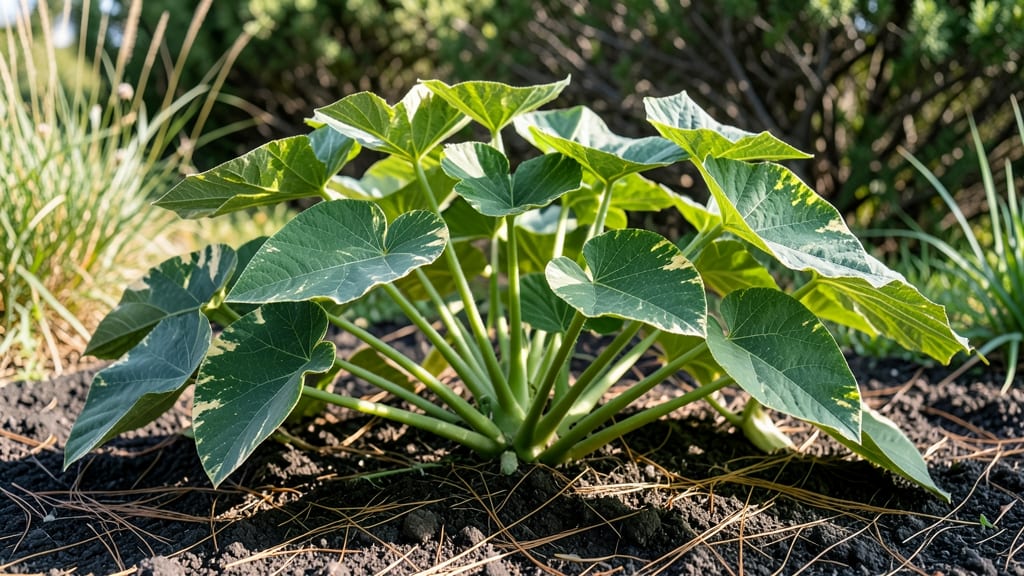
How to grow a sweet potato vine in soil—it’s easier than you think, and those vines will explode with growth in just weeks. 🌱 I’ve turned neglected corners into vibrant cascades by following a few key steps that skip the guesswork. The secret isn’t fancy soil or expensive pots—it’s matching the vine’s love of warmth, light, and a little neglect (yes, really). Start with store-bought slips or root cuttings from grocery store sweet potatoes. Plant them in well-draining soil with a 5-gallon container or directly in-ground where temps stay above 60°F. Water lightly at first, then let the soil dry between waterings—overwatering is the #1 killer. Within 2-3 weeks, you’ll see those signature heart-shaped leaves unfurling, ready to spill over edges. By midsummer, your vine could stretch 8+ feet with proper care. The foliage stays vibrant all season, and you can propagate new plants from cuttings anytime. Even my black thumb can’t kill these—just avoid shade and overwatering. Works in containers, hanging baskets, or garden beds. Here’s how to keep them thriving all summer long.
📚 In This Guide
- What you need
- Instructions
- Tips and common mistakes
- Wrapping up and next steps
What you need
- ● Sweet potato slips or tubers: Choose disease-free, organic slips (young shoots) or small sweet potatoes (like ‘Beauregard’ or ‘Georgia Jet’). Quantity: 1-3 slips or tubers per container (or 1 per 12" of space in a garden bed).
- ● Well-draining potting mix: A high-quality blend with perlite or compost (avoid heavy clay soil). Quantity: Enough to fill your container to 2/3 capacity.
- ○ Containers (optional but recommended): Hanging baskets (10"+ depth) or wide pots (12"+ diameter) for trailing vines.
- ● Fabric grow bags (for airflow) or ceramic/terracotta pots (for aesthetics).
- ● Drainage solution: Small rocks, pebbles, or broken pottery at the container’s bottom (1-2" layer).
- ● Watering can or spray bottle: For gentle hydration (avoid soggy soil!).
- ● Balanced fertilizer (5-5-5 or 10-10-10): Organic options like fish emulsion or compost tea work too. Quantity: 1 tbsp per container or per 12" of garden bed.
- ● Pruning shears or scissors: For trimming vines or slips (sterilize with rubbing alcohol!).
- ● Slow-release fertilizer pellets: Mix into soil for 2-3 months of nourishment.
- ● Mulch (straw or shredded leaves): Retains moisture and keeps roots cool.
- ● Support structures: Trellises, obelisks, or stakes for vertical growth (if not using hanging pots).
- ● Garden gloves: Protects hands from prickly vines or soil.
- ● pH test kit: Sweet potatoes prefer slightly acidic soil (pH 5.8–6.5).
Step-by-Step instructions for cultivating sweet potato vines in soil
Sweet potato vines grow like wildfire—here’s how to harness that speed for lush, trailing beauty.
🌱 Step 1: Select and Prepare Healthy Slips
Start with sweet potato slips (young shoots) rather than whole tubers. These are available at nurseries or online, and they’re ready to root immediately. Look for slips with 3-4 inches of stem and at least 2-3 leaves—they’ll establish faster than cuttings from a whole potato. If you’re starting from a tuber, cut it into 2-inch sections with at least one eye (the little dimple where a sprout emerges) per piece. Let the cut ends dry and callus for 24 hours to prevent rot.
I like to soak the slips in lukewarm water for 10-15 minutes before planting. This jumpstarts hydration and helps the roots plunge into the soil without shock. Avoid overwatering the slips beforehand—they’ll absorb enough moisture from the soil once planted.
🪴 Step 2: Choose Containers and Soil Mix
Sweet potato vines thrive in well-draining containers at least 12 inches deep and 12 inches wide per plant. I use fabric grow bags or terra cotta pots because they allow excess moisture to evaporate, preventing root rot. Fill the container with a lightweight potting mix blended with 20% perlite or coco coir—this ensures aeration while retaining enough moisture for fast growth. Avoid garden soil; it’s too dense and can suffocate roots.
Before planting, moisten the soil mix until it’s evenly damp but not soggy. You’ll know it’s ready when a handful compresses slightly but doesn’t crumble or drip. This balance is critical—vines grow fast, and consistent moisture keeps them thriving without stress.
☀️ Step 3: Plant and Position for Maximum Growth
Bury the slips just below the soil line, ensuring the bottom 1-2 inches of the stem are covered. Gently press the soil around the base to eliminate air pockets, but don’t compact it—roots need room to spread. If using whole tuber sections, place them eyes-up (the dimple facing upward) and cover with 1 inch of soil. Water lightly after planting to settle the soil and remove any air gaps.
Sweet potato vines crave bright, indirect light—think 6-8 hours of morning sun followed by dappled afternoon shade. A south- or west-facing window works well, but direct afternoon sun can scorch the leaves. If growing indoors, supplement with a grow light positioned 6-12 inches above the plant. You’ll see new growth within 3-5 days, and vines can extend 10+ feet in ideal conditions.
💧 Step 4: Water and Fertilize for Rapid Trailing
Keep the soil consistently moist but never waterlogged. I water when the top 1-2 inches feel dry to the touch, which is usually every 2-3 days in warm weather. Overwatering is the fastest way to kill these vines—root rot sets in quickly. Use a spray bottle for gentle watering, especially after planting, to avoid disturbing the soil around delicate roots.
Feed the vines with a balanced liquid fertilizer (10-10-10 or 20-20-20) every 2-3 weeks once they’ve established 4-6 inches of growth. Dilute the fertilizer to half-strength to avoid burning the roots. You’ll notice darker green leaves and thicker vines within a week of fertilizing—this is your cue that the plant is thriving.
✂️ Step 5: Prune and Train for Full, Bushy Trails
To encourage fuller, bushier growth (rather than long, sparse vines), pinch back the tips of the main stems when they reach 12-18 inches long. This redirects energy to lateral shoots, creating a denser, more lush trail. Use clean, sharp scissors to make the cut just above a leaf node (the point where leaves attach to the stem). Avoid tearing the vine—this can introduce disease.
Train the vines to trail by gently weaving them through hanging planters, trellises, or window shelves. If growing in containers, let the vines spill over the edges naturally. You’ll see new shoots emerge from the nodes within 5-7 days after pruning—this is the plant’s way of compensating for the cut. Rotate the container a quarter turn weekly to ensure even growth toward the light.
Tips & tricks for growing sweet potato vines in containers
Here's what nobody tells you about cultivating these fast-growing beauties—details that make all the difference between a struggling plant and a lush, trailing masterpiece.
Root Establishment: The 24-hour callusing period for tuber cuttings is non-negotiable—this prevents rot by allowing the wound to heal before soil contact. For slips, that 10-15 minute lukewarm water soak isn't just hydration; it mimics natural rainfall and signals the plant to focus on root development. I've seen slips planted dry take twice as long to establish compared to soaked ones. The key is balance: don't let slips sit in water longer than 15 minutes, or they'll develop weak, waterlogged roots.
Soil Science: That 20% perlite or coco coir mix in Step 2 isn't arbitrary—it creates the perfect porosity. Too much perlite (over 30%) can make the soil too dry, while too little (under 15%) traps excess moisture. I test soil readiness by squeezing a handful: if it holds shape but doesn't drip when inverted, you're golden. Pro tip: Add a handful of worm castings to the mix for natural nutrients that won't burn tender roots like synthetic fertilizers.
Light Management: The 6-8 hours of morning sun is critical because afternoon sun can scorch leaves, but don't assume all bright light is equal. East-facing windows provide perfect morning sun without the intensity of south-facing exposure. For indoor growers, LED grow lights positioned 6-12 inches above the plant should run for 12-14 hours daily—more light doesn't mean better growth, it means potential leaf burn. Watch for yellowing leaves as a sign of too much light exposure.
Pruning Precision: When pinching back those 12-18 inch stems in Step 5, aim for just above a leaf node where you see a tiny bump. This node contains dormant buds that will sprout into new lateral shoots within 5-7 days. I use sterilized scissors dipped in rubbing alcohol between cuts to prevent disease transmission. The first pruning might seem drastic, but you'll get 3-4 new shoots from each cut stem—it's the plant's way of saying "thank you for the trim!"
Pro Tips for Grow A Sweet Potato Vine In Soil
- Here's what nobody tells you about cultivating these fast-growing beauties—details that make all the difference between a struggling plant and a lush, trailing masterpiece.
- Root Establishment: The 24-hour callusing period for tuber cuttings is non-negotiable—this prevents rot by allowing the wound to heal before soil contact.
- Soil Science: That 20% perlite or coco coir mix in Step 2 isn't arbitrary—it creates the perfect porosity.
Frequently asked questions
Got questions about growing sweet potato vines? You’re not alone!
Here are answers to the most common concerns—whether you’re a beginner or just troubleshooting a tricky patch.
How long does it take for sweet potato vines to grow?
Sweet potato vines grow fast! With the right conditions (warmth, sunlight, and moisture), you’ll see new leaves and vines sprouting in 1–2 weeks. Trailing varieties can reach 10+ feet in just 3–4 months, while bushier types stay compact. Patience pays off—thicker vines mean more vibrant color!
Can I grow sweet potato vines from a store-bought sweet potato?
Yes, but only if it’s organic and labeled “seed”—conventional sweet potatoes are treated to prevent sprouting. Look for heirloom or organic varieties (like ‘Beauregard’ or ‘Georgia Jet’) at garden centers. Skip the ones with green spots or soft patches—they won’t root well. Pro tip: Soak the potato in water for 24 hours before planting to jumpstart growth!
Why are my sweet potato vine leaves turning yellow or brown?
Yellowing leaves usually mean overwatering or poor drainage. Brown edges? It’s likely underwatering or salt buildup from tap water. Check your soil—it should stay moist but not soggy. If leaves droop, move your plant to a shadier spot temporarily. Fertilizer burn can also cause browning, so dilute any liquid feed to half-strength.
Do sweet potato vines need full sun, or can they grow in partial shade?
They thrive in full sun (6+ hours daily), but partial shade (4–6 hours) works too—just expect slower growth and less vibrant foliage. In hot climates, morning sun + afternoon shade prevents wilting. If growing indoors, place near a south- or west-facing window or use a grow light. Variegated vines (like ‘Margarita’) handle shade better than solid-green types.
Can I grow sweet potato vines in small pots or hanging baskets?
Sweet potato vines are perfect for containers—even tiny 5–7 inch pots work for short varieties. For trailing types, use hanging baskets (12+ inches deep) or tall planters. Just ensure drainage holes and well-draining soil to prevent root rot. Rotate pots weekly so vines grow evenly, and fertilize lightly every 4–6 weeks for lush growth.
How do I overwinter sweet potato vines indoors?
Bring potted vines inside before first frost (or when temps drop below 50°F/10°C). Place them in a bright, cool spot (60–70°F/15–21°C) with indirect light. Reduce watering—let the top 1–2 inches of soil dry between waterings. Prune leggy vines by 1/3 to encourage bushier regrowth. In spring, repot and fertilize to revive growth!
Wrapping up and next steps
Growing a sweet potato vine in soil is a rewarding way to add vibrant color and texture to your space—whether in containers or garden beds!
With the right sunlight, well-draining soil, and a little patience, you’ll soon enjoy lush, trailing foliage that’s as easy to care for as it is beautiful. 🌿
Now that you’re equipped with the know-how, why not experiment with different varieties or share cuttings with fellow plant lovers? Next, try propagating new plants or styling your vine in creative planters—your green thumb is ready to shine! 🌟