
Size
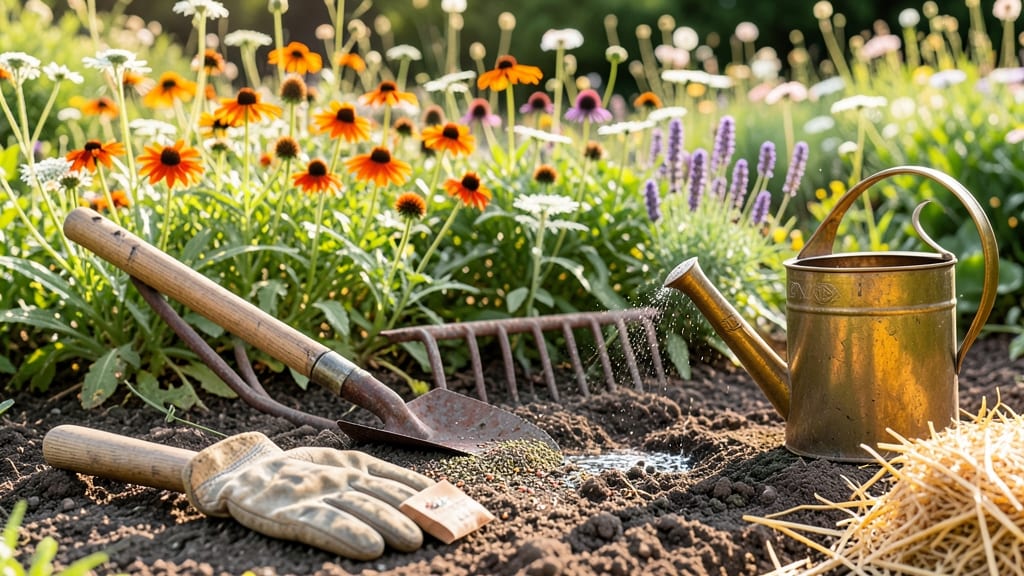
How to grow a wildflower patch starts with a handful of seeds and a little patience. 🌻 I’ve turned my backyard corner into a humming, buzzing pollinator paradise—no green thumb required. The key is mimicking nature’s approach: minimal prep, the right seeds, and letting the wildflowers do the heavy lifting.
You’ll need a sunny spot (at least 6 hours of light daily), loose soil, and a mix of native wildflower seeds—think black-eyed Susans, coneflowers, and milkweed for maximum impact.
Skip the fancy tools; a rake, hoe, and watering can are all you need. Plant in early spring or fall when soil is moist but not soggy.
Within weeks, you’ll see tiny sprouts pushing through the soil, and by summer, your patch will burst with color. Butterflies, bees, and birds will flock to it, and you’ll spend less time weeding than watering. The best part? Once established, these patches thrive on rainwater alone.
Mulch lightly to retain moisture, pull weeds early, and avoid over-tidying—wildflowers love a little chaos. By next year, your patch will be self-sustaining, blooming year after year with almost no effort. Ready to turn your yard into a meadow?
📚 In This Guide
- What you need
- Instructions
- Tips and common mistakes
- Wrapping up and next steps
What you need
- ● Wildflower seeds: Choose native varieties (e.g., black-eyed Susans, coneflowers, or milkweed). Aim for 1–2 lbs per 100 sq ft for a lush patch.
- ● Soil: Loose, well-draining topsoil (avoid heavy clay). 2–3 cubic yards for a 10’x10’ area.
- ● Compost or fertilizer: Organic compost or low-phosphorus wildflower mix (1–2 bags).
- ● Water source: Hose or sprinkler with a gentle spray nozzle for even moisture.
- ○ Mulch (optional but helpful): Straw or wood chips (1–2 bags) to retain moisture and suppress weeds.
- ● Garden fork or tiller: To loosen soil 6–8 inches deep.
- ● Rake: A sturdy bow rake for leveling the area.
- ● Garden gloves: Heavy-duty to protect hands while prepping soil.
- ○ Broadcast spreader (optional): For even seed distribution over large areas.
- ● Stakes or flags: To mark seed rows if needed.
- ● Full sun exposure (6+ hours/day) or partial shade (depending on seed mix).
- ● Flat or gently sloped ground (avoid steep hills).
- ● Minimal weed competition—clear existing vegetation 3–4 weeks before planting.
- ● Patience! Wildflowers thrive with low maintenance once established.
Step-by-step instructions for creating a thriving wildflower meadow
Here’s how to transform your yard into a vibrant, low-maintenance wildflower haven—no green thumb required.
🌱 Step 1: Choose the Perfect Location and Clear the Space
Select a sun-drenched area with at least 6 hours of direct sunlight daily—wildflowers thrive where they get plenty of light. Avoid low-lying spots where water pools, as soggy soil invites fungus and weakens roots. Once you’ve picked your spot, clear existing vegetation by mowing it down or using a broadfork to loosen compacted soil without disturbing the underlying ecosystem.
If your soil feels hard as concrete, aerate it with a garden fork or rent a core aerator. This step is critical: wildflowers need loose, well-draining soil to establish deep roots. I like to work in small sections—about 4 feet by 4 feet—so I don’t over-exert myself. Mark the area with stakes if you’re planting in stages, and resist the urge to till deeply. Wildflowers love undisturbed soil layers.
💧 Step 2: Prepare the Soil for Native Seed Success
Wildflowers don’t demand rich, amended soil—they flourish in native, mineral-rich earth. If your soil is heavy clay, mix in 1-2 inches of coarse sand to improve drainage. For sandy soil, blend in a thin layer of compost (no more than ½ inch) to retain moisture without smothering seeds. The key here is minimal intervention: these flowers evolved to thrive in your region’s natural conditions.
Rake the surface lightly to create a fine, crumbly texture—think of it like preparing a bed for delicate seedlings. Avoid overworking the soil; wildflowers need a rough, uneven surface to catch windblown seeds and prevent erosion. If you’re planting in late summer or fall, skip this step entirely—many wildflower seeds need a cold stratification period to germinate, and undisturbed soil mimics nature’s timing perfectly.
☀️ Step 3: Select and Scatter Seeds for a Natural Look
Choose a mix of native wildflower seeds suited to your climate zone—check the packet for sun exposure and soil type compatibility. Scatter seeds sparingly by hand or with a seed spreader, aiming for 1-2 seeds per square inch. Press them lightly into the soil with a wooden board or your hand—just enough to ensure contact with the earth, but don’t bury them. Most wildflower seeds need light to germinate.
For a wild, natural appearance, avoid neat rows. Instead, mimic how seeds disperse in meadows: let some areas have denser clusters while others remain sparser. Water the patch gently but thoroughly with a fine mist setting on your hose or watering can. Keep the soil consistently moist (but not soggy) for the first 2-3 weeks—this is the most critical period for seedling establishment. After that, reduce watering to once a week, letting nature take over.
✂️ Step 4: Maintain with Minimal Effort for Long-Term Beauty
Once your wildflowers are established (after 6-8 weeks), resist the urge to mow until late summer or early fall. Let the plants go to seed—they’ll self-sow and multiply year after year. When you do mow, cut back only one-third of the stems at a time, and leave the clippings on the ground. This adds organic matter as it decomposes and provides shelter for beneficial insects over winter.
Weeds will pop up, but don’t panic. Wildflowers are tough competitors once established. Pull only the most aggressive invaders by hand, and focus on watering deeply during droughts. By year two, your meadow will thrive with little to no maintenance—just enjoy the buzz of bees, the splash of color, and the effortless beauty of a sunlit meadow.
Tips & tricks for perfect wildflower meadows
Creating a thriving wildflower patch is easier than you think—here’s how to avoid common pitfalls and maximize your meadow’s potential.
Location is Everything: That 6 hours of sunlight requirement isn’t just a suggestion—it’s non-negotiable for most wildflowers. I’ve seen beautiful meadows fail because they were planted in partial shade. If your yard only gets 4-5 hours, consider shade-tolerant varieties like black-eyed Susans or coreopsis, but even then, they won’t reach their full potential. Test your spot by observing how much sun it gets over a week before committing.
Soil Prep Shortcuts: Don’t overthink soil amendments—wildflowers prefer minimal intervention. That ½ inch of compost for sandy soil is all you need; anything more risks suffocating seeds. For clay soil, focus on breaking up compaction rather than adding sand. I’ve found that a simple garden fork works better than tilling—it preserves soil structure while improving drainage. And remember: if you’re planting in late summer or fall, skip soil prep entirely to mimic nature’s cold stratification.
Seed Scattering Strategy: The 1-2 seeds per square inch guideline might seem sparse, but trust me—crowding seeds leads to weak, spindly plants. Use a seed spreader for even distribution, but don’t worry about perfect rows. Scatter seeds in irregular patterns to create a natural, wind-dispersed look. After scattering, I like to use a wooden board to gently press seeds into the soil—just enough to ensure contact without burying them. This simple step boosts germination rates dramatically.
Watering Wisdom: Those first 2-3 weeks are critical, but don’t drown your seeds. Water gently but thoroughly—think of it like giving your meadow a refreshing rain shower, not a flood. Once established, wildflowers are drought-tolerant, but during extreme dry spells, water deeply once a week to encourage deep root growth. I’ve seen meadows thrive with no additional water after the initial phase, proving nature does most of the work once you set the stage.
Pro Tips for Grow A Wildflower Patch
- Creating a thriving wildflower patch is easier than you think—here’s how to avoid common pitfalls and maximize your meadow’s potential.
- Location is Everything: That 6 hours of sunlight requirement isn’t just a suggestion—it’s non-negotiable for most wildflowers.
- Soil Prep Shortcuts: Don’t overthink soil amendments—wildflowers prefer minimal intervention.
Frequently asked questions
Got questions?
Growing a wildflower patch is easier than you think—here are answers to the most common ones to help you create your sunlit meadow with confidence!
What’s the best time of year to plant wildflower seeds?
For most regions, late summer to early fall (August–September) is ideal—seeds germinate in cool weather and establish roots before winter. Spring planting also works, but avoid late fall to prevent frost damage. Check your seed packet for regional timing tips!
How long does it take for wildflowers to bloom?
Patience is key! Some varieties bloom in as little as 6–8 weeks, while others may take 1–2 years to reach full maturity. Annuals (like cosmos) offer quick color, while perennials (like black-eyed Susans) build over time. Mix both for year-round interest.
Will wildflowers attract pests like bees or mosquitoes?
Wildflowers love pollinators like bees and butterflies—great for ecosystems! However, they won’t attract mosquitoes (those need stagnant water). Choose native species to support local wildlife without unwanted visitors. Avoid overwatering to keep pests at bay.
Do wildflowers need frequent watering once established?
Once rooted, wildflowers are drought-tolerant! Water deeply 1–2 times per week for the first month, then reduce to once every 2 weeks (or when soil feels dry). Overwatering can drown seeds or encourage weeds—let nature take over after initial growth!
Can I grow wildflowers in containers or small spaces?
Use deep containers (8+ inches) with well-draining soil and plant compact varieties like lobelia or alyssum. Window boxes, hanging baskets, or even old boots work—just ensure they get 6+ hours of sun daily. Mini meadows add charm to patios or balconies!
Wrapping up and next steps
Growing a wildflower patch is more than just adding beauty to your backyard—it’s a gift to local pollinators, a burst of color, and a low-maintenance way to connect with nature. 🌸 With the right soil, seeds, and a little patience, you’ll create a thriving meadow that blooms year after year.
Start small, experiment with native varieties, and soon, your patch will become a haven for bees, butterflies, and birds.
Ready to take the next step? Sketch your patch’s layout today—mark sunny spots, measure your space, and pick your favorite wildflower seeds. Before you know it, your backyard will be alive with sunlit meadow magic! 🌻