
Size
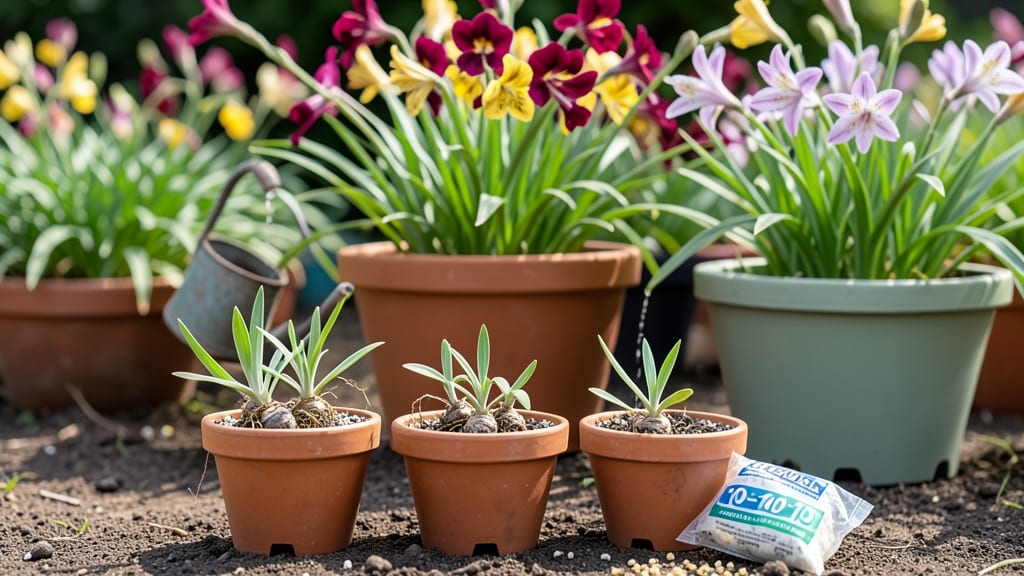
How to grow alstroemeria in pots unlocks bold, long-lasting blooms with almost no yard space. 🌸 I’ve turned my balcony into a riot of color by mastering the container method—no digging, no weeds, just vibrant stems that last weeks in vases. The key? Understanding how this tough perennial adapts to pots (hint: it’s easier than you think).
Start with a 5-gallon container minimum—smaller pots mean faster drying soil and stunted growth. Alstroemeria roots love well-draining mix (add perlite or sand to regular potting soil), and a saucer prevents root rot from overwatering.
Place your pot where it gets full sun for 6+ hours daily—partial shade works, but blooms will be sparse. My first mistake? Skipping drainage holes—now I double-check that.
Water when the top inch feels dry, but don’t drown them—soggy soil is the #1 killer. Feed monthly with balanced fertilizer (10-10-10) during growing season, and trim spent blooms to encourage more flowers.
By mid-summer, you’ll have tall, sturdy stems perfect for cutting, and the plants will naturalize in pots for years. The best part? No pests bother them like they do in-ground plants.
Pro tip: Divide clumps every 3-4 years to keep them vigorous. If your pot feels root-bound (roots circling the bottom), it’s time to upgrade—just a 1-2 gallon larger container works wonders.
With these tweaks, your alstroemeria will thrive in pots longer than most annuals, and you’ll get cut flowers for free all season.
📚 In This Guide
- What you need
- Instructions
- Tips and common mistakes
- Wrapping up and next steps
What you need
- ● Alstroemeria tubers or plants: Choose healthy tubers (3-5 inches long) or nursery-grown plants with well-developed roots. Quantity: 1-3 per 10-inch pot (or 1 per 12-inch pot for larger varieties).
- ● Containers: Pots with drainage holes (10-12 inches in diameter for single tubers, larger for multiple plants). Material: Terracotta, ceramic, or plastic (ensure they’re sturdy and weather-resistant).
- ● Potting mix: Well-draining, slightly acidic to neutral soil (pH 6.0-7.0). Mix: 60% peat moss or coco coir, 30% perlite or pumice, and 10% compost.
- ● Drainage material: Small rocks (gravel, lava rock) or broken pottery shards (1-2 inches layer at the bottom of each pot).
- ● Fertilizer: Slow-release granular fertilizer (10-10-10 NPK ratio) or liquid bloom booster. Application: Follow package instructions for dosage.
- ● Watering can or hose with gentle spray: Avoid overwatering—aim for consistent moisture without soggy soil.
- ● Pruning shears or scissors: For trimming dead blooms or overgrown foliage.
- ● Mulch: Pine bark or straw to retain moisture and regulate soil temperature.
- ● Support stakes or cages: If growing tall varieties (e.g., ‘Regina’), add stakes early to prevent flopping.
- ● Soil moisture meter: To monitor water levels without over-saturating the roots.
- ● Decorative pots or saucers: For a polished look—just ensure the inner pot has drainage.
Step-by-Step instructions for growing alstroemeria in pots
Here's the foolproof method I use to grow vibrant alstroemeria in containers—no green thumb required.
🪴 Step 1: Choose the Right Pot and Drainage
Alstroemeria thrives in pots that are at least 12 inches deep with multiple drainage holes—this prevents root rot, which is their biggest enemy. I use terracotta pots because they breathe better than plastic, helping excess moisture evaporate. If your pot lacks drainage, drill 3-4 holes in the bottom to ensure water escapes freely.
Place a 2-inch layer of gravel or broken pottery at the bottom before adding soil. This creates an air pocket that prevents soggy roots. The pot should also have a saucer underneath to catch runoff, but never let the plant sit in standing water—alstroemeria roots suffocate when submerged.
🌱 Step 2: Prepare Well-Draining Soil Mix
Fill the pot with a blend of 50% premium potting mix and 50% perlite or coarse sand. This ratio ensures excellent drainage while retaining enough moisture for deep roots. Alstroemeria hates soggy soil—if the mix feels compacted, add more perlite until it crumbles easily between your fingers.
Work in a handful of slow-release fertilizer (like 10-10-10) into the top 4 inches of soil. This gives roots a nutrient boost without burning tender growth. Tap the pot gently on the table to settle the soil, then create a small planting hole about twice as wide as the root ball.
☀️ Step 3: Plant and Position for Optimal Light
Remove the plant from its nursery pot and gently tease apart any circling roots. Position it in the hole so the top of the root ball sits 1 inch below the pot rim. This prevents water from spilling over during irrigation. Backfill with soil, pressing lightly to eliminate air pockets but avoiding compaction.
Alstroemeria needs 6-8 hours of direct sunlight daily. Place pots on a south- or west-facing patio where they’ll receive afternoon sun. If you notice leaves yellowing or stems stretching excessively, the light is insufficient—move closer to a brighter window or supplement with a grow light for 12-14 hours daily.
💧 Step 4: Water and Maintain Consistent Moisture
Water deeply until it drains freely from the bottom holes, then wait until the top 2 inches of soil feel dry before watering again. Overwatering is the fastest way to kill alstroemeria—yellowing leaves or mushy stems are red flags. I water in the morning so excess moisture evaporates by evening, reducing disease risk.
Feed every 4-6 weeks with a balanced liquid fertilizer diluted to half-strength. This encourages lush foliage and abundant blooms. Deadhead spent flowers by pinching them off at the base—this redirects energy to new growth instead of seed production. You’ll see a second flush of blooms within 6-8 weeks if you keep up with this.
✂️ Step 5: Prune and Overwinter for Next Season
After the first frost, cut back stems to 4 inches tall and reduce watering to keep soil barely moist. Alstroemeria is semi-evergreen in mild climates, but in colder zones, it may die back completely. Move pots to a cool, dark garage or basement where temperatures stay between 35-45°F.
In early spring, repot if roots have outgrown the container. Divide clumps every 3-4 years to prevent overcrowding—simply separate the rhizomes with a clean knife and replant. You’ll notice new shoots emerging within 2-3 weeks of repotting, signaling it’s time to resume regular care.
Tips & tricks for growing alstroemeria in pots
Real talk: Container gardening with alstroemeria is easier than it looks once you nail these key details.
Drainage is Non-Negotiable: That 2-inch gravel layer in Step 1 isn't just decoration—it's your first line of defense against root rot. I've seen alstroemeria plants thrive in pots with perfect drainage that would otherwise fail miserably. If you're using a decorative cache pot without drainage, always nest it inside a saucer with pebbles to catch excess water. The moment you notice yellowing leaves or mushy stems, check your drainage immediately.
Light Requirements Can't Be Compromised: Those 6-8 hours of direct sunlight in Step 3 are critical for vibrant blooms. If your patio only gets morning sun, supplement with a grow light for 2-3 hours in the afternoon. I've seen alstroemeria stretch toward light like sunflowers when they're not getting enough—this leggy growth weakens the plant and reduces flowering. A south-facing window might work in summer, but winter light levels will be insufficient.
Soil Mix Science: The 50/50 blend of potting mix and perlite/sand in Step 2 creates the perfect balance. When mixing, think "fluffy cake batter"—it should hold its shape but still crumble easily. If you're using garden soil, resist the urge to mix it in, even if it's "good soil." The compacted texture will suffocate roots. For extra insurance, add a handful of orchid bark to your mix—it improves aeration and mimics the plant's natural habitat.
Pro Tips for Grow Alstroemeria In Pots
- Real talk: Container gardening with alstroemeria is easier than it looks once you nail these key details.
- Drainage is Non-Negotiable: That 2-inch gravel layer in Step 1 isn't just decoration—it's your first line of defense against root rot.
- Light Requirements Can't Be Compromised: Those 6-8 hours of direct sunlight in Step 3 are critical for vibrant blooms.
Frequently asked questions
Got questions about growing alstroemeria in pots? You’re not alone! Here are answers to the most common concerns—so you can enjoy vibrant blooms without the guesswork.
Can alstroemeria grow in small pots, or do they need deep containers?
Alstroemeria thrives in pots at least 12 inches deep (or wider for dwarf varieties). Shallow containers risk root-bound plants and fewer blooms. If space is tight, choose dwarf cultivars (like ‘Dwarf Pink’) and repot every 2–3 years to refresh roots.
How long does it take for potted alstroemeria to flower after planting?
With proper care, you’ll see buds in 6–12 weeks from planting (or sooner if transplanting mature roots). Key factors: bright light, consistent moisture, and cooler nights (60–65°F) trigger blooming. Pro tip: Deadhead spent flowers to encourage more blooms!
Why are my alstroemeria leaves turning yellow or brown?
Yellow leaves often mean overwatering (roots need aeration), while brown edges signal underwatering or low humidity. Check drainage holes and avoid soggy soil. Fix it: Water only when the top 1–2 inches of soil are dry, and mist leaves occasionally in dry climates.
Can I grow alstroemeria from seed in pots, or should I buy established plants?
Seeds take 1–2 years to bloom (patience required!), but established plants (from nurseries or divisions) flower the same season. For faster results, buy bare-root tubers in early spring or divide mature clumps. Bonus: Seeds are fun for experimenting with rare varieties!
Are there pests I should watch for in potted alstroemeria?
Keep an eye out for aphids, spider mites, and slugs. Prevent pests: Use neem oil spray or insecticidal soap for soft-bodied bugs. For slugs, add a copper barrier around pots or use diatomaceous earth. Healthy plants (with good airflow) resist pests better!
How do I overwinter potted alstroemeria in cold climates?
Move pots to a cool, dark place (40–50°F) and reduce watering. Trim foliage by half and cover with straw or burlap if temps drop below 20°F. Resume care in spring—your plants will bounce back with minimal stress!
Wrapping up and next steps
Growing alstroemeria in pots is a rewarding way to enjoy vibrant blooms without needing a sprawling garden! With the right container, well-draining soil, and a little TLC, you’ll have a stunning display that lasts for weeks.
Start small—pick a sunny spot, keep the soil moist but not soggy, and watch your plants thrive.
Ready to dive in? Grab your potting mix, choose your favorite variety, and get planting! Once your alstroemeria is flourishing, you can even share cut stems with friends or experiment with more containers. Happy gardening! 🌸