
Size
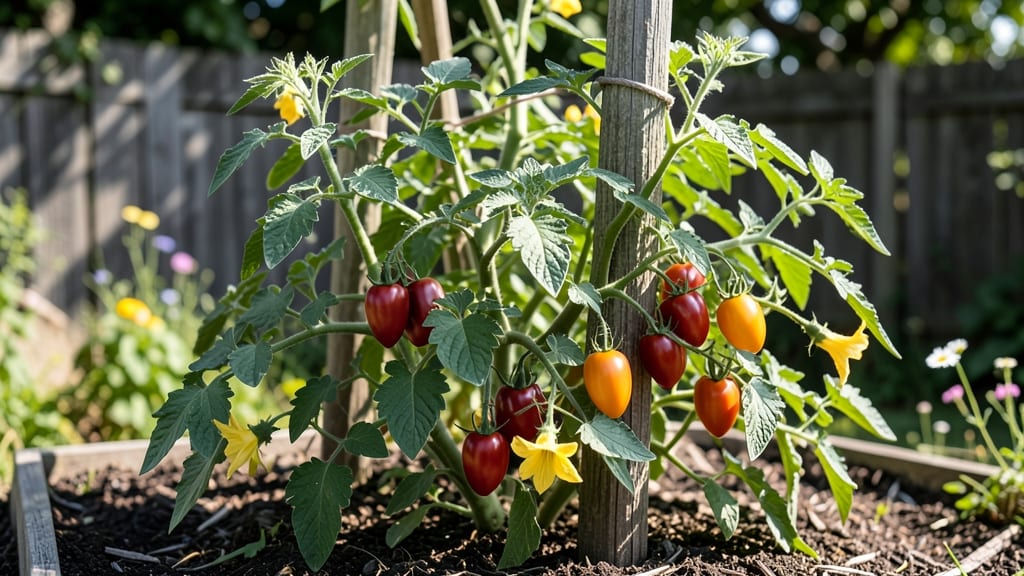
How to grow Campari tomatoes means sinking your teeth into juicy, deep-red jewels that taste like summer in every bite. 🌿 These heirloom beauties aren’t just stunning—they’re the kind of tomatoes that make you pause mid-bite to savor the flavor. The secret? Matching their bold personality with the right care, from seed to harvest. Start with rich, well-draining soil and a sunny spot (they need at least 6-8 hours of direct sun daily). These vines grow tall—6-8 feet—so plan for sturdy cages or trellises. The first few weeks are critical: keep soil consistently moist but never soggy, and watch for those first true leaves before transplanting outside after the last frost. By midsummer, you’ll be harvesting tomatoes that burst with sweet, tangy flavor and a meaty texture perfect for slicing or sauces. The vines keep producing until frost, so one plant feeds a family for months. Prune regularly to improve airflow and focus energy on fruit, not foliage. They’re worth the effort—just watch out for cracking if watering’s inconsistent. With the right setup, these tomatoes will be the star of your garden (and your plate).
📚 In This Guide
- What you need
- Instructions
- Tips and common mistakes
- Wrapping up and next steps
What you need
- ● Campari tomato seeds or seedlings: 2–4 plants (or 1–2 seeds per pot if starting from scratch). Look for heirloom or organic seeds for best results!
- ● Container or garden bed: For containers: 5-gallon pots or larger (at least 12–18 inches deep) with drainage holes. 3–4 plants per container (they’re vining!).
- ● For in-ground: Full sun (6–8+ hours daily) and well-draining soil. Space plants 2–3 feet apart in rows.
- ● High-quality potting mix: 1–2 bags (sterile, well-draining mix with compost or aged manure for nutrients). Avoid garden soil—it can compact!
- ● Slow-release fertilizer: Balanced (10-10-10) or tomato-specific (e.g., 5-10-10). Start with 1–2 tbsp per plant at planting.
- ● Tomato cages or stakes: 5–6 ft tall (Campari vines grow 6+ feet!). Use 3–4 stakes per plant or a sturdy cage.
- ● Mulch: Straw or shredded leaves (2–3 inches thick) to retain moisture and deter weeds.
- ○ Gloves & hand trowel: For planting and soil prep (optional but handy!).
- ● Watering can or hose with a gentle nozzle: Deep watering (1–2 inches per week) is key—avoid wetting leaves!
- ● Pruning shears: For trimming suckers and shaping vines (sterilize with rubbing alcohol!).
- ● pH test kit: Aim for 6.0–6.8 soil pH (Campari tomatoes thrive in slightly acidic soil).
- ● Epsom salt: 1 tbsp dissolved in water every 2 weeks for magnesium boosts (prevents blossom-end rot).
- ● Shade cloth: For seedlings if temps exceed 90°F (they prefer 70–85°F).
- ● Compost tea or fish emulsion: Organic liquid feed for extra flavor and vigor.
- ● Row covers: To protect from early pests like hornworms.
Step-by-step instructions for growing Campari tomatoes
Here’s how to coax those deep-red, sun-drenched Campari tomatoes from seed to vine—juicy, flavorful, and ready for your table.
🌱 Step 1: Start Seeds Indoors at the Right Time
Campari tomatoes need a long growing season, so begin seeds indoors 6-8 weeks before your last frost date. Use biodegradable pots (like peat or coconut fiber) filled with sterile seed-starting mix—never garden soil, which can harbor diseases. Plant seeds ¼ inch deep, two per pot, and label them since they’ll look identical at first.
Keep the soil consistently moist (not soggy) by misting lightly with a spray bottle. Place pots in a warm spot (70-80°F)—a seedling heat mat speeds germination to 7-10 days. Until sprouts appear, cover the tray with plastic wrap to trap humidity, but remove it immediately after germination to prevent mold.
☀️ Step 2: Harden Off and Transplant Young Plants
Once seedlings have 2-3 true leaves (not just the first tiny cotyledons), move them to a sunny windowsill or under grow lights for 14-16 hours daily. Without enough light, they’ll stretch leggy and weak—raise the light as they grow to keep it 2-3 inches above the plants. Fertilize lightly with a balanced liquid fertilizer (5-5-5) when you see the first true leaves.
2 weeks before transplanting, start hardening off by placing seedlings outside in partial shade for 1-2 hours the first day. Gradually increase exposure over 10-14 days until they’re out all day. Transplant after nighttime temps stay above 55°F, burying stems deeply (up to the first leaves) to encourage strong root growth.
🪴 Step 3: Support and Train Vines for Maximum Sun Exposure
Campari tomatoes thrive with full sun (6-8+ hours daily) and need strong support—use cages, stakes, or trellises to keep vines upright. I prefer 5-foot bamboo stakes tied with soft twine to avoid damaging stems. Prune suckers (the small shoots in the leaf axils) to direct energy into fruit production, but leave 1-2 leaves below each cluster for photosynthesis.
Mulch around the base with straw or shredded leaves to retain moisture and prevent soil-borne diseases. Water deeply 1-2 times weekly, aiming for 1 inch of water per week—more in extreme heat. Avoid wetting leaves to reduce fungal risks like blight. You’ll know you’re on track when vines grow vigorous and dark green, with multiple flower clusters forming.
✂️ Step 4: Prune and Harvest for Peak Flavor
Prune regularly to improve airflow and fruit quality: pinch off the first flower cluster when the plant is young to encourage bushier growth. Once the plant is established, let it flower freely but remove lower leaves that touch the soil. Harvest when tomatoes are deep red and slightly soft to touch—they won’t ripen further off the vine.
Campari tomatoes are juicy and intensely sweet, so pick them before they overripen on the vine. Use a small knife or pruners to cut stems cleanly, leaving a short piece attached. Store ripe tomatoes at room temperature (not the fridge) to preserve flavor. If frost threatens before harvest, pick green tomatoes and ripen them indoors in a paper bag with a banana for 3-5 days.
Tips & tricks for perfect Campari tomato growth
These little secrets will help you coax the most flavor-packed, sun-kissed Campari tomatoes from seed to harvest.
Seedling Heat is Non-Negotiable: That 70-80°F warmth range for germination isn't just a suggestion—it's the difference between eager sprouts and stubborn seeds. I've tried using regular windowsills (which can dip below 65°F at night) and ended up with patchy germination. A simple seedling heat mat under your pots will give you consistent, fast germination in those 7-10 days. Pro move: Place a thermometer near your pots to monitor temp—consistency matters more than exact numbers.
Lighting Makes or Breaks Seedlings: The 14-16 hours daily of light requirement isn't about quantity—it's about quality. Regular windowsills can't provide enough light, especially in cloudy weather. I use a simple LED grow light on a timer, keeping it 2-3 inches above the seedlings as they grow. Watch for leggy seedlings (stretched, weak stems)—this is your first warning sign you need more light. If you see this, move the light closer immediately.
Hardening Off is Your Insurance Policy: That 2-week hardening off period isn't just about acclimating plants—it's about preventing shock. Start with just 1-2 hours in partial shade, then gradually increase exposure. I've seen plants go from thriving indoors to wilted messes in hours when people skip this step. The key is gradual: double the time each day until they're out all day. Also, avoid transplanting when nighttime temps dip below 55°F—wait for warmer nights or use row covers if needed.
Watering Wisdom for Juicy Tomatoes: The 1 inch per week rule is your baseline, but timing matters more than quantity. Water deeply 1-2 times weekly, but always in the morning so leaves have all day to dry. Wet leaves at night create the perfect conditions for blight. I use a soaker hose for my tomato plants—it delivers water right to the roots without wetting foliage. And here's a trick I learned: If your soil feels dry just below the surface, it's time to water. Stick your finger in an inch deep—that's your moisture gauge.
Pro Tips for Grow Campari Tomatoes
- These little secrets will help you coax the most flavor-packed, sun-kissed Campari tomatoes from seed to harvest.
- Seedling Heat is Non-Negotiable: That 70-80°F warmth range for germination isn't just a suggestion—it's the differenc...
- Lighting Makes or Breaks Seedlings: The 14-16 hours daily of light requirement isn't about quantity—it's about qualit...
Frequently asked questions
Got questions about growing those vibrant Campari tomatoes? You’re not alone! Whether you’re a first-time gardener or a seasoned green thumb, these common queries can help you grow the juiciest, most flavorful tomatoes of your life.
How long does it take for Campari tomatoes to mature and produce fruit?
Campari tomatoes typically take 70–80 days from transplant to reach maturity. Start seeds indoors 6–8 weeks before the last frost, then transplant seedlings after soil warms to 60°F+. With consistent care—like pruning, watering, and fertilizing—you’ll see those deep-red beauties ripening by mid-to-late summer!
Can Campari tomatoes grow in containers or do they need a garden bed?
Campari tomatoes thrive in 5-gallon containers or larger (they’re indeterminate vines). Use a well-draining potting mix and provide support stakes or cages for climbing. Just ensure containers get 6+ hours of sunlight daily and water consistently. Containers work great for balconies or small spaces!
What are the most common pests or diseases affecting Campari tomatoes, and how do I prevent them?
Watch for aphids, hornworms, and whiteflies (handpick or use neem oil). Blight and early blight are risks—prevent with proper spacing, mulching, and avoiding overhead watering. Rotate crops yearly and choose disease-resistant varieties if needed. Healthy soil = happy plants!
Do Campari tomatoes need pruning, and how often?
Yes! Prune regularly (every 2–3 weeks) to improve airflow and fruit quality. Remove suckers (side shoots) and lower leaves, keeping only the main stem and upper foliage. Stop pruning 4–6 weeks before harvest to let energy focus on ripening. Pro tip: Use clean pruners to avoid disease!
Are Campari tomatoes good for canning or sauces?
Their intense, sweet-tart flavor makes them perfect for sauces, salsas, and canning. Harvest when fully red (or slightly underripe for canning). For sauces, blend with basil, garlic, and olive oil for a restaurant-quality dish. Freeze extras for year-round use!
Wrapping up and next steps
Growing Campari tomatoes is a rewarding journey that brings bold flavors and stunning vines to your garden—or even your balcony! With the right soil, sunlight, and care, you’ll soon be harvesting those deep-red, juicy jewels.
Remember, patience and consistency are key—your efforts will pay off with a bountiful harvest that’s perfect for salads, sauces, or fresh eating.
Ready to take the next step? Start small—plant a few seeds or seedlings this season, and watch your confidence (and tomato yield!) grow. Before you know it, you’ll be sharing your homegrown treasures with friends and family. Happy gardening! 🌱🍅