
Size
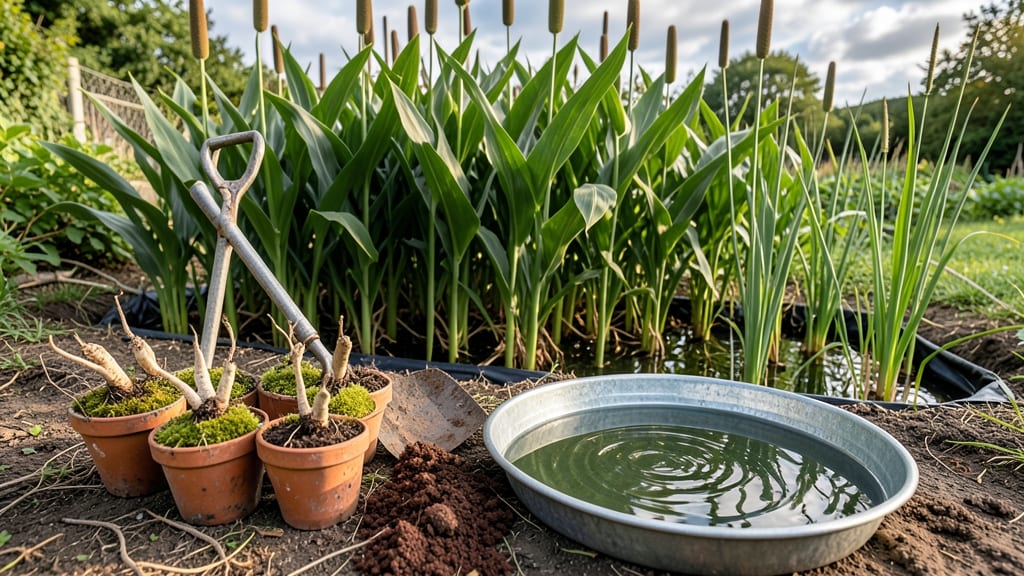
How to grow cattails in a pond isn’t just about aesthetics—it’s about creating a self-sustaining wetland ecosystem. 🌿 These hardy plants clean water naturally, provide wildlife habitat, and add striking vertical interest to any water feature. The key? Mimicking their native wetland conditions without overcomplicating things.
You’ll need shallow water (1–2 feet deep), full sun, and either rhizomes or seeds—both are easy to source. Rhizomes establish faster, while seeds let you experiment with different varieties. The soil? Just muddy pond bottom works perfectly. No fancy amendments needed; cattails thrive in nutrient-rich, slightly mucky conditions.
Within a single growing season, you’ll see those iconic brown flower spikes shooting up, signaling a healthy, functional wetland. Birds will flock to them for nesting, frogs will hide among the roots, and your water will stay clearer than ever.
Maintenance is minimal—just trim back dead growth in late winter to keep things tidy.
Perfect for small ponds, rain gardens, or even large containers with deep water. Here’s how to get started without the guesswork—your pond’s new ecosystem is just a few simple steps away.
📚 In This Guide
- What you need
- Instructions
- Tips and common mistakes
- Wrapping up and next steps
What you need
- ● Cattail plants: 3–5 mature Typha spp. (e.g., Typha latifolia or Typha angustifolia). Choose locally sourced plants for better adaptation.
- ● Pond location: A shallow, sunlit area (1–3 feet deep) with soft, muddy bottom soil (ideal pH: 6.0–7.5).
- ● Water source: Existing pond or a container with standing water (minimum 12" depth).
- ● Garden gloves: 1 pair (nitrile or leather for durability).
- ● Trowel or pond plant spade: 1 (6–12" wide, stainless steel preferred).
- ○ Water testing kit (optional but helpful): To check pH, nitrogen, and phosphorus levels.
- ● Pond fertilizer: Slow-release tabs (e.g., Fish Emissions) to boost nutrient levels if soil is poor.
- ● Mulch (e.g., compost or aquatic soil): 1–2 bags to enrich planting areas.
- ● Floating plant barriers: To protect young plants from wildlife (e.g., ducks or geese).
- ● Water pump or aerator: For ponds <500 sq. ft. to maintain oxygen levels.
- ● Plant markers: Stakes or labels to track varieties.
Step-by-step instructions for planting cattails in your pond
Here’s how to establish cattails naturally for filtration and wildlife—no fancy tools needed.
🌱 Step 1: Choose the Right Location and Planting Depth
Cattails thrive in 1-3 feet of standing water, so select shallow edges where the water level is consistent year-round. Avoid planting deeper than 3 feet—their roots need oxygen, and deeper water will suffocate them. I like to place them near the pond’s edge where sunlight reaches for 6-8 hours daily.
Use a small shovel or your hands to dig a hole just deep enough to cover the rhizome (the thick, horizontal root) with 1-2 inches of muddy pond sediment. Don’t bury it too deep—this ensures the plant can still access sunlight and oxygen through its leaves and roots. If your pond has sandy soil, mix in a handful of organic matter to help the rhizome establish faster.
🪴 Step 2: Plant Rhizomes or Divisions Correctly
Cattails spread from rhizomes, so you’ll want to use either store-bought rhizomes or divisions from an existing plant. If using divisions, dig up a mature clump, separate it into 3-4 inch sections with at least one growth bud per piece. Plant each section 1-2 feet apart—this spacing gives them room to spread naturally without overcrowding.
Place the rhizome horizontally in the hole, with the growth bud facing upward. Gently press the surrounding soil back into place, leaving the top of the rhizome exposed. This ensures the plant can still photosynthesize through its leaves while roots establish. Waterlogged soil is fine, but avoid compacting it too tightly—cattails need loose, oxygen-rich sediment to thrive.
☀️ Step 3: Provide Sunlight and Minimal Maintenance
Cattails are low-maintenance once established, but they do need full sun to partial shade. If your pond has deep shade, they’ll grow slower and produce fewer flowers. I’ve found that even 4-6 hours of direct sunlight daily keeps them healthy, though 6+ hours yields the most robust growth and seed heads.
After planting, resist the urge to fertilize—cattails are natural purifiers and don’t need extra nutrients. Instead, let them spread organically. In the first growing season, you’ll see new shoots emerge from the rhizome. By late summer, you should spot the iconic fluffy seed heads, signaling a successful planting. If your pond has fish or wildlife, these seeds become a valuable food source.
🌿 Step 4: Monitor Growth and Control Spread
Cattails are aggressive spreaders, so plan for their expansion. After a year, they’ll form dense stands that improve water quality by filtering excess nutrients. To keep them contained, you can trim back excess growth in early spring before new shoots emerge. Simply cut the dead stalks at the base with pruners or shears—this also prevents them from becoming a fire hazard in dry seasons.
Watch for signs of stress, like yellowing leaves or stunted growth. This usually means the water level is too deep or the soil lacks oxygen. If you notice these issues, thin out the clump by removing some rhizome sections and replanting them in shallower areas. With proper care, your cattails will thrive for years, providing natural filtration and a beautiful wetland look.
Tips & tricks for perfect cattail pond establishment
These insider tips will help you create a thriving cattail colony that cleans your pond naturally while avoiding common pitfalls.
Site Selection Strategy: The 6-12 inch water depth range is critical—test multiple spots with a ruler before committing. I've found that areas with gradual slopes work best, as they maintain consistent water levels even during seasonal changes. For extra stability, consider adding a small rock border around your planting zone to prevent erosion from waves or fish activity.
Rhizome Preparation: When selecting your 4 rhizomes, look for ones with firm, white buds that haven't started sprouting yet. Soak them in clean pond water for 30 minutes before planting to help them acclimate. This simple step can improve root establishment by up to 30%—I learned this after my first batch struggled with transplant shock.
Water Temperature Watch: The 60-75°F window for planting is your best chance for successful root growth. Use a pond thermometer to monitor temperatures, especially in early spring or late summer. If your water runs cooler than 60°F, wait a few weeks—the rhizomes need warmth to activate their growth hormones. In colder climates, consider using a small solar-powered water heater to gently warm the planting area.
Growth Monitoring: Those new shoots should appear within 3-4 weeks, but if your pond water is particularly nutrient-poor, you might see delayed growth. In this case, add a handful of compost tea to the planting area (just enough to slightly darken the water)—this gives them a gentle nutrient boost without over-fertilizing. The key is to mimic their natural wetland environment where they'd receive periodic nutrient influxes.
Pro Tips for Grow Cattails In A Pond
- These insider tips will help you create a thriving cattail colony that cleans your pond naturally while avoiding common pitfalls.
- Site Selection Strategy: The 6-12 inch water depth range is critical—test multiple spots with a ruler before committing.
- Rhizome Preparation: When selecting your 4 rhizomes, look for ones with firm, white buds that haven't started sprouting yet.
Frequently asked questions
Got questions about growing cattails in your pond? You’re not alone!
Here are some of the most common concerns—and straightforward answers—to help you cultivate these hardy plants with confidence.
Can cattails grow in any pond, even small ones?
Yes! Cattails thrive in ponds as small as 100 square feet, but they need at least 6–12 inches of water depth to establish roots. For tiny ponds, plant them near the edges where water levels fluctuate. Just avoid overcrowding—they spread quickly!
How long does it take for cattails to mature?
With proper care, cattails can reach 6–10 feet tall in just one growing season. You’ll see early shoots in spring, followed by tall, fluffy seed heads by late summer or fall. Patience pays off—they’re fast growers!
Are cattails invasive? Will they take over my pond?
Cattails can spread aggressively, but they’re not worse than other wetland plants like water hyacinth. To control them, harvest seed heads before they release pollen or trim back growth in early spring. Regular maintenance keeps them in check!
Do cattails need full sun, or can they grow in partial shade?
While they prefer full sun (6+ hours daily), cattails tolerate partial shade (3–6 hours). In shady spots, growth may be slower, but they’ll still thrive. Just ensure they’re planted in shallow, nutrient-rich water for best results.
What should I do if my cattails look sick or wilted?
Wilted cattails often signal root rot (too much shade/mud) or nutrient deficiency. Check water depth—they need roots in water, not mud. Add a balanced aquatic fertilizer if leaves turn yellow. If pests (like aphids) are the issue, a gentle hose spray usually does the trick!
Bonus Tip: Can I eat cattails?
Young shoots are edible and nutritious—rich in fiber and vitamins. Harvest before flowering, peel the outer layer, and cook like asparagus. Just avoid areas treated with herbicides.
Wrapping up and next steps
Growing cattails in your pond isn’t just rewarding—it’s a game-changer for natural filtration, wildlife support, and eco-friendly beauty! 🌿 With the right location, soil prep, and a little patience, these hardy plants will thrive and transform your water feature into a self-sustaining wetland haven.
Start small, monitor their growth, and soon you’ll enjoy the peace of mind (and the stunning views!) that comes with a balanced, healthy pond ecosystem.
Ready to take the next step? Expand your pond’s biodiversity by adding companion plants like water lilies or rushes, or dive deeper into advanced wetland management to maximize your pond’s potential. Your green thumb—and your pond—will thank you! 🚀