
Propagation
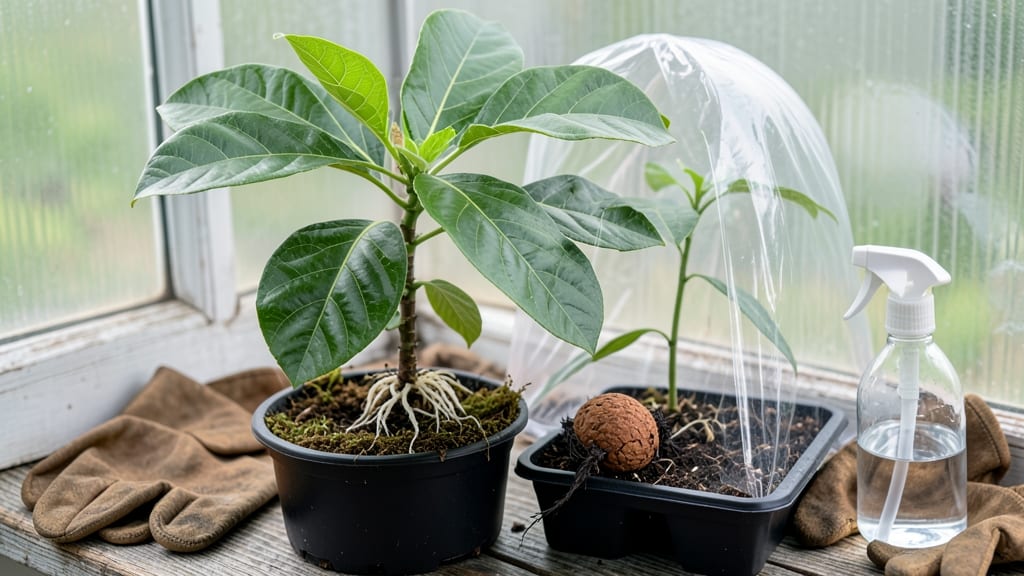
How to grow durian from seed proves that the best things come to those who wait—and tend carefully. That first green shoot after months of waiting confirms it’s worth the patience. 🌱 Growing durian from seed isn’t about instant gratification—it’s a six-month journey where every tiny root matters. The seed itself is the easy part; what comes after determines whether you’ll have a scraggly sapling or a sturdy young tree. You’ll need tropical warmth (75-85°F consistently), humidity to keep the soil damp but not soggy, and a pot with drainage holes—no shortcuts here. The seed might take 2-4 weeks just to crack open, and germination rates are famously unreliable. That’s why I recommend soaking seeds for 24 hours first and using a heat mat if your climate isn’t naturally warm. By month six, you’ll have a 12-18 inch seedling that’s still too delicate for the ground. This is where most people rush and regret it—durian trees hate transplant shock. The key is gradual hardening: move it outside for 2-3 hours daily in the final two weeks before permanent planting, and always water at the base, never overhead. The real test comes in years two and three, when the tree finally outgrows its pot and you’re faced with the choice: dig a hole big enough for its roots or watch it struggle. That’s when you’ll understand why durian growers call their trees “patience projects.”
📚 In This Guide
- What you need
- Instructions
- Tips and common mistakes
- Wrapping up and next steps
What you need
- ● Durian seeds: 1-3 fresh, firm seeds (harvested from ripe fruit). Pro tip: Soak seeds in warm water for 24 hours before planting to speed up germination! 💡
- ● Seedling pots: 2-3 small pots (4-6 inches in diameter) with drainage holes. Use biodegradable pots if you plan to transplant seedlings directly into the ground.
- ● Well-draining potting mix: A blend of 60% coconut coir or peat moss, 30% perlite or coarse sand, and 10% compost. Avoid heavy clay soil.
- ● Spray bottle: For gentle watering of seeds and seedlings.
- ● Humidity dome or plastic wrap: To maintain moisture around seeds during germination.
- ● Fertilizer: A balanced, water-soluble fertilizer (e.g., 10-10-10 NPK ratio) for seedlings. Start with half-strength to avoid burning young roots! ✨
- ● Grow lights or sunny windowsill: Durian seedlings need 12+ hours of bright light daily. A south-facing window or grow light works best.
- ● Pruning shears: For trimming excess growth or shaping the seedling as it matures.
- ● Heat mat: Keeps soil warm (75-85°F) to encourage faster germination.
- ● pH meter: Ideal soil pH for durian is 5.5-6.5. Adjust with lime or sulfur if needed.
- ● Mulch (e.g., wood chips): Retains moisture and regulates soil temperature once transplanted outdoors.
- ● Trellis or support: For guiding young durian trees as they grow taller (durian trees can reach 150+ feet in the wild!).
- ● Compost tea or organic liquid fertilizer: Boosts microbial activity in soil for healthier growth.
Step-by-step instructions for growing durian from seed
Here's how I turn a single seed into a thriving sapling—with patience and tropical care.
🌱 Step 1: Prepare the Seed for Germination
Start by soaking the durian seed in warm water for 24 hours. This softens the tough outer shell and kickstarts the germination process. I like to use a small bowl of water and let the seed float—this helps it absorb moisture evenly. After soaking, gently rub the seed with a clean cloth to remove any remaining pulp residue.
Place the seed between two damp paper towels, folding them so the seed is snug but not crushed. Keep the towels in a plastic bag or sealed container to maintain humidity. Store this setup in a warm spot—75-85°F is ideal—like on top of a refrigerator or near a sunny window. Check the towels daily and mist with water if they feel dry to the touch.
🌿 Step 2: Plant the Germinated Seed
Once you see a 1-inch sprout emerging from the seed, it's time to plant. Fill a 6-inch pot with a well-draining mix of 50% potting soil and 50% perlite or coconut coir. The goal is to create a loose, airy medium that prevents root rot—durian seeds hate soggy conditions. Make a small hole in the center of the pot, about 1 inch deep, and place the seed with the sprout facing upward.
Cover the seed lightly with soil, pressing down gently to secure it. Water the pot until moisture seeps out of the drainage holes, but avoid overwatering. Place the pot in a location with bright, indirect light—think dappled sunlight or a grow light set to 12-14 hours daily. Keep the soil consistently moist but never waterlogged; durian seedlings are delicate and can rot if overwatered.
☀️ Step 3: Provide Optimal Growing Conditions
As your durian seedling grows, it will need more light and space. Once the first true leaves appear—these are the second set of leaves after the initial seed leaves—they should be deep green and glossy. At this stage, move the seedling to a spot with morning sun and afternoon shade, or under a grow light if natural light is insufficient. Durian trees thrive in warmth, so maintain a consistent temperature of 70-85°F.
Fertilize the seedling lightly every 4-6 weeks with a balanced, water-soluble fertilizer diluted to half strength. Over-fertilizing can burn the young roots, so less is more. Watch for signs of nutrient deficiency, like yellowing leaves or stunted growth, and adjust accordingly. Rotate the pot occasionally to ensure even growth—you’ll notice the seedling leaning toward the light if it’s not getting enough.
🪴 Step 4: Transplant and Encourage Strong Growth
After 3-4 months, when the seedling reaches 6-8 inches tall and has developed a sturdy stem, it’s time to transplant into a larger pot. Choose a 12-inch pot with drainage holes and use the same well-draining soil mix. Gently remove the seedling from its current pot, loosen the roots if they’re tightly bound, and place it in the new pot, covering the roots with soil up to the base of the stem.
Water thoroughly after transplanting and place the seedling in a shaded area for 1 week to help it recover. Gradually reintroduce it to brighter light over the next few days. Durian trees grow slowly, so be patient. Prune any yellow or damaged leaves to encourage new growth, and continue fertilizing every 4-6 weeks. With the right care, your seedling will grow into a small tree within 6 months, ready for its next phase of growth.
Tips & tricks for growing durian from seed
Real talk: Growing a durian tree from seed takes more patience than most houseplants, but these tricks will help you avoid the most common pitfalls along the way.
Germination Secret: The 24-hour soak is non-negotiable—it softens that tough outer shell and jumpstarts the process. I've seen seeds sprout in just 3 days when soaked properly, but some stubborn ones take up to 2 weeks. If you're impatient, check daily for the first tiny crack in the seed coat. Pro tip: Use a clear container so you can see the progress without disturbing the seed.
Lighting Strategy: Durian seedlings are light-hungry but sensitive to harsh sun. In Step 3, when you move your seedling to brighter conditions, start with just 2-3 hours of morning sun daily and gradually increase. I've had seedlings scorch when moved too quickly to full sun. A sheer curtain can diffuse light while still providing the brightness they need. If natural light is limited, a grow light on a timer set to 12-14 hours mimics tropical daylight perfectly.
Transplanting Timing: The 3-4 month mark for transplanting is ideal, but don't rush it—wait until you see those sturdy true leaves and a stem that can support itself. I once transplanted too early and the delicate seedling toppled over. When you do transplant, water thoroughly before moving to reduce shock. The first week in shade gives roots time to establish without competing with leaf growth for energy.
Temperature Watch: Durian trees love warmth, but maintaining that 70-85°F range consistently is easier said than done. If your home dips below 65°F at night, consider a small space heater near the plant (keep it 2 feet away) or move the pot to a warmer spot like near a sunny window. I've had seedlings slow their growth dramatically when temperatures dropped below 60°F—don't let that happen to yours!
Pro Tips for Grow Durian From Seed
- Real talk: Growing a durian tree from seed takes more patience than most houseplants, but these tricks will help you avoid the most common pitfalls along the way.
- Germination Secret: The 24-hour soak is non-negotiable—it softens that tough outer shell and jumpstarts the process.
- Lighting Strategy: Durian seedlings are light-hungry but sensitive to harsh sun.
Frequently asked questions
Got questions about growing durian from seed?
Here are answers to the most common ones—so you can confidently start your tropical adventure!
How long does it take for a durian seed to sprout?
A durian seed typically sprouts within 2–4 weeks if kept in warm, moist conditions (75–85°F). If it takes longer, check moisture levels—overwatering or cold drafts can delay germination. Patience is key!
Can I grow durian indoors, or does it need a tropical climate?
Durian seeds can germinate indoors with proper care (warmth, humidity, and bright light), but the tree thrives outdoors in tropical climates (USDA Zones 10–11). If you live in a cooler zone, start seeds indoors and transplant seedlings outdoors when temperatures stay above 60°F.
Why isn’t my durian seed sprouting? Troubleshooting tips.
Try these fixes if your seed isn’t sprouting:
- Check moisture: Keep soil damp (not soggy) and cover with plastic wrap to retain humidity.
- Warmth matters: Use a seedling heat mat (75–85°F) if your home is too cool.
- Test viability: Soak the seed in water for 24 hours—if it sinks, it’s likely viable.
- Patience: Some seeds take up to 6 weeks; avoid poking or overhandling.
How fast does a durian tree grow, and when will it produce fruit?
Durian seedlings grow slowly at first (1–2 feet per year) but can reach 10+ feet in 5–10 years. Fruit production takes 5–10 years—even with ideal care! Dwarf varieties (like those grafted) may fruit sooner, but patience is part of the reward.
Can I eat the fruit from a durian tree grown from seed?
Yes, but with a caveat! Durian trees grown from seed may not produce fruit identical to the parent (unlike grafted trees). The flavor, size, and aroma could vary. If you want a true-to-type durian, consider grafting a known variety later.
What’s the best soil mix for durian seedlings?
Use a well-draining, slightly acidic mix (pH 5.5–6.5) like:
- 50% peat moss or coco coir
- 30% perlite or sand
- 20% compost or worm castings
Wrapping up and next steps
Growing a durian from seed is a rewarding journey that connects you to nature’s tropical treasures! 🌱 While patience is key—it takes years for the tree to bear fruit—every step, from planting to nurturing, is a chance to learn and celebrate growth.
Once your seedling thrives, consider transplanting it into a larger pot or garden bed to give it room to flourish.
Ready to take the next step? Share your progress with fellow plant enthusiasts or explore durian care guides to keep your tree healthy. Happy growing—your future durian harvest awaits! 🌿✨