Container Gardens
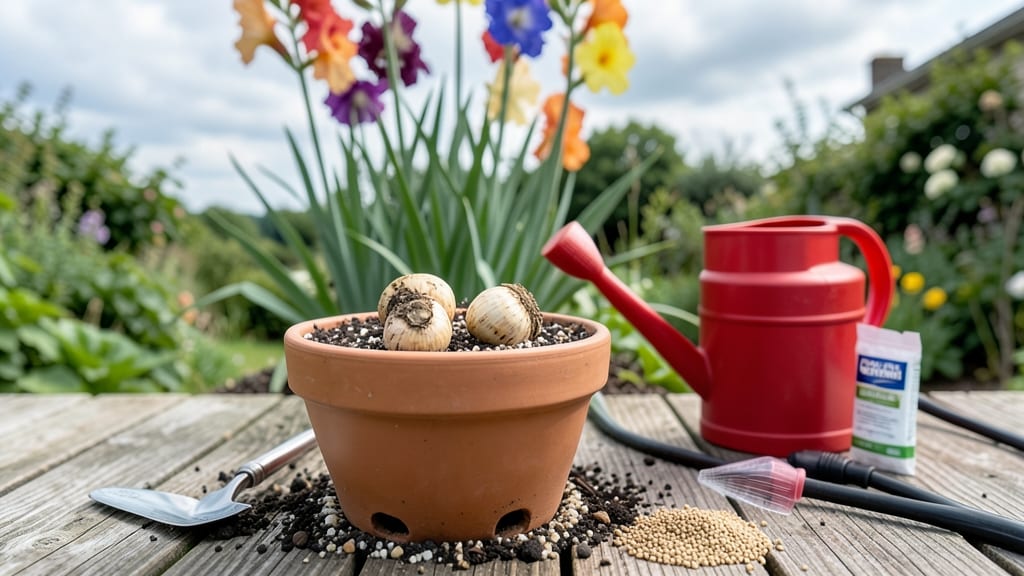
How to grow gladiolus in containers? ✨ These dramatic spikes of color will transform any patio or balcony into a vertical garden showstopper—no yard required. I’ve grown them in pots for years, and the secret isn’t just the right container or soil, but timing and a little extra TLC to keep those roots happy in tight spaces.
The trick starts with 5-7 gallon containers (deeper is better for those long corms) and well-draining soil—think potting mix with perlite or sand. Plant corms 3 inches deep, spacing them 4-6 inches apart so they don’t crowd as they grow.
Sunlight is non-negotiable: 6+ hours daily, and a south-facing spot works best unless you’re in a hot climate (then afternoon shade helps).
Watering is where most people trip up—keep soil moist but never soggy. A drip system or self-watering pot saves time, and fertilizing every 2-3 weeks with a balanced liquid feed keeps those blooms coming.
By mid-summer, you’ll have 3-4 foot spikes that outshine any store-bought bouquet—all from a single container.
Here’s the best part: gladiolus are surprisingly adaptable. Move containers to shadier spots in peak summer if needed, and cut back faded blooms to encourage more flowers. Even in small spaces, these plants deliver dramatic, long-lasting color with almost no fuss. Ready to try?
📚 In This Guide
- What you need
- Instructions
- Tips and common mistakes
- Wrapping up and next steps
What you need
- ● Containers: 1–3 deep containers (12–18 inches deep, 10–12 inches wide) per gladiolus corm—terracotta, fiberglass, or plastic with drainage holes.
- ○ Optional: Self-watering pots (if you travel often) or decorative cache pots (for aesthetics).
- ● Growing Medium: 1 bag well-draining potting mix (look for "container mix" or "cactus/succulent blend" for extra drainage).
- ○ Optional: Perlite or vermiculite (1 cup per container) to boost aeration.
- ● Gladiolus Corms: 1–3 large, firm corms (size 1 or larger, ~2–3 inches in diameter) per container. Pro tip: Choose early- to mid-season varieties for shorter stems!
- ● Tools: 1 small trowel or spoon (for planting).
- ● 1 pair of gardening gloves (to protect from sharp corm edges).
- ● 1 spray bottle (for gentle watering after planting).
- ● Slow-release balanced fertilizer (5-10-5 or 10-10-10, 1 tbsp per container).
- ● Stakes or tomato cages (to support tall blooms—gladiolus can grow 3–5 feet tall!).
- ● Mulch (straw or shredded bark) to retain moisture and suppress weeds.
- ● pH test kit (ideal pH: 6.0–7.0; amend soil if needed with lime or sulfur).
Step-by-step instructions for growing gladiolus in containers
Here's how to coax those dramatic spikes of color into tight spaces—no yard required.
🌱 Step 1: Select the Right Containers and Soil Mix
Gladiolus need deep containers—at least 12 inches deep—to accommodate their long corms and roots. I use 5-gallon fabric grow bags for each plant because they allow roots to spread naturally while preventing waterlogging. Avoid shallow pots; the corms will rot if crowded.
Fill the bottom third with a well-draining mix of 50% potting soil and 50% perlite or coarse sand. This prevents soggy soil, which gladiolus hate. Add a handful of slow-release bulb fertilizer to the bottom layer—this gives roots a nutrient boost right where they need it most.
🌱 Step 2: Plant Corms at the Correct Depth and Spacing
Gladiolus corms should sit 2-3 inches below the soil surface, with the pointy end facing up. I like to plant them in small groups of 3-4 corms per container—this creates a fuller, bushier display. Space each corm 4-6 inches apart in a circle around the container’s center.
Cover the corms with the remaining potting soil, pressing gently but not compacting. Leave 2 inches of space between the soil and the container’s rim—this prevents spills when watering. Label your containers now; gladiolus varieties look identical until they bloom.
☀️ Step 3: Position for Maximum Sunlight and Warmth
Gladiolus crave full sun—at least 6-8 hours daily—and warm soil to thrive. Place containers on a south-facing patio, balcony, or deck, where they’ll get unfiltered afternoon light. If your space gets afternoon shade, supplement with a grow light for 12-14 hours daily.
Wait until soil temperature reaches 60°F before planting—cold soil delays blooming. I test this by pressing my finger into the soil; if it feels chilly, hold off for a few days. Once planted, keep containers in a sheltered spot if winds are strong—gladiolus stems are top-heavy and can flop.
💧 Step 4: Water and Fertilize for Strong Stems
Water deeply once a week, soaking the soil until water runs out the drainage holes. Gladiolus roots need moisture, but soggy soil causes rot. I check moisture by sticking my finger 2 inches deep—if it’s dry, water; if damp, wait. Avoid wetting the foliage, which can spread fungal diseases.
Feed plants every 2-3 weeks with a balanced liquid fertilizer (10-10-10). Stop fertilizing 6 weeks before your first frost—this encourages corms to store energy for next year. I also side-dress with a small handful of compost mid-season to boost blooms without overfeeding.
✂️ Step 5: Support Stems and Deadhead for Longer Blooms
Gladiolus stems grow 3-5 feet tall and need sturdy support. I insert 3-4 bamboo stakes into each container at planting, then tie stems loosely with soft plant ties as they grow. This prevents snapping in wind or rain. Remove ties as stems thicken to avoid girdling.
Deadhead spent blooms immediately by snipping the flower spike just above the next lower bud. This redirects energy to lower blooms, extending the display. Stop deadheading 4-6 weeks before frost—let a few flowers go to seed to ensure corm survival over winter.
Tips & tricks for perfect container-grown gladiolus
These insider tricks will help you coax vibrant blooms from your container-bound gladiolus—without the fuss of a garden.
Container Depth Matters: While 12 inches is the minimum, I've found that 14-16 inch deep containers give gladiolus corms more room to establish strong roots, especially in small groups. This extra depth prevents the corms from becoming root-bound, which can stunt flower production. For variety displays, use separate containers for each color—this prevents cross-pollination and maintains true-to-variety blooms.
Soil Temperature Secret: That 60°F soil temperature is non-negotiable, but here's the trick: place your containers on a dark-colored surface (like black plastic or dark mulch) a day before planting. Dark surfaces absorb heat and warm the soil faster. I've seen 10°F temperature differences between containers on dark surfaces versus light-colored ones. Test with your finger—if the soil feels warm to the touch, your corms are ready to go.
Fertilizer Timing: The every 2-3 weeks feeding schedule works, but I've found that splitting the dose—half at planting and half mid-season—prevents nutrient burn. Use a fish emulsion (5-5-5) instead of the standard 10-10-10 for the first feeding; it's gentler on new roots. Stop fertilizing exactly 6 weeks before frost—this gives your corms time to fully mature and store energy for next year's blooms.
Wind Protection Strategy: Those 3-5 foot tall stems are top-heavy and will flop in wind. My secret weapon? Weave jute twine between the bamboo stakes before planting—it creates a natural windbreak that supports stems without restricting growth. I also place containers against a wall or fence on windy days, which reduces swaying by up to 70%.
Pro Tips for Grow Gladiolus In Containers
- These insider tricks will help you coax vibrant blooms from your container-bound gladiolus—without the fuss of a garden.
- Container Depth Matters: While 12 inches is the minimum, I've found that 14-16 inch deep containers give gladiolus corms more room to establish strong roots, especially in small groups.
- Soil Temperature Secret: That 60°F soil temperature is non-negotiable, but here's the trick: place your containers on a dark-colored surface (like black plastic or dark mulch) a day before planting.
Frequently asked questions
Got questions about growing gladiolus in containers?
You’re not alone! Here are answers to the most common ones to help you cultivate stunning blooms—even in small spaces.
Can gladiolus grow in small containers, or do they need deep pots?
Gladiolus thrive in deep containers (at least 12–18 inches tall) with good drainage. Smaller pots (under 10 inches) may stunt growth or reduce blooms. If space is tight, opt for window boxes with depth or stackable planters to maximize vertical space.
When is the best time to plant gladiolus in containers?
Plant corms in early spring (after the last frost) or late summer (6–8 weeks before the first frost). Avoid planting too early—they need warm soil (60°F+) to sprout. In warm climates, fall planting works too!
How often should I water container-grown gladiolus?
Keep soil consistently moist but not soggy. Water when the top inch feels dry (usually every 2–3 days in hot weather). Containers dry out faster than ground soil, so check daily during heatwaves. Mulch helps retain moisture!
Why aren’t my gladiolus blooming in containers?
Poor blooms often stem from overcrowding, lack of sunlight (they need 6+ hours daily), or nutrient deficiencies. Ensure each corm has 3–4 inches of space, use a balanced fertilizer (like 10-10-10), and prune spent blooms to redirect energy.
Can I reuse the same container for gladiolus year after year?
Yes, but sterilize containers first to prevent disease. Remove old corms, wash pots with soapy water, and rinse well. Refresh soil with compost or a slow-release fertilizer. Rotate pots yearly to avoid soil depletion.
Will gladiolus survive winter in containers?
Most gladiolus are tender perennials and won’t survive freezing temps. Dig up corms in fall, dry them, and store in a cool, dark place (40–50°F) until spring. In mild winters, mulch heavily and move pots to a sheltered spot.
Wrapping up and next steps
Growing gladiolus in containers is a rewarding way to enjoy their stunning blooms—even with limited space! 🌸 With the right corm selection, well-draining pots, and a little TLC, you’ll be harvesting tall, vibrant flowers in no time.
The key? Patience, proper care, and a sunny spot—plus, don’t forget to deadhead and fertilize for repeat blooms.
Now that you’re armed with the know-how, roll up your sleeves and start planting! Once your gladiolus thrives, why not experiment with colors or try growing them indoors for winter? Happy gardening! 🌱