
Propagation
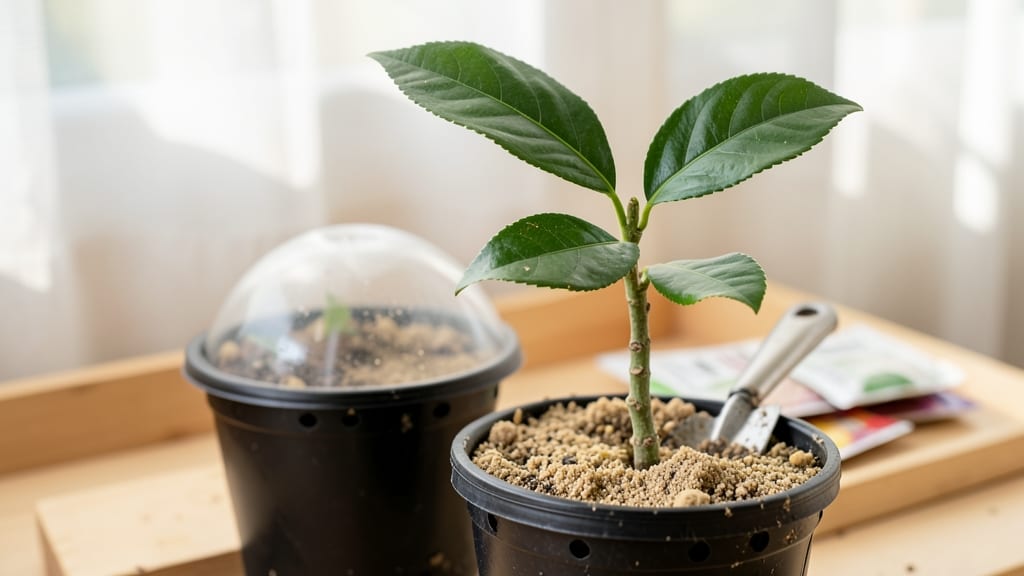
How to grow key lime from seed—that first green crack in a tiny seed is pure magic. 🌱 I’ve watched my own seedlings break through soil after weeks of waiting, and it’s the most rewarding gardening moment—even if fruiting takes patience. These tropical trees start from tiny seeds that grow into fragrant, sun-loving citrus with a personality all their own.
The real secret isn’t speed—it’s consistency. You’ll need a warm spot, well-draining soil, and a steady watering routine that keeps roots happy without drowning them. Most people rush the process, but key limes reward slow, careful growth. By month six, you’ll have a sturdy seedling ready for its first transplant.
What you end up with is a tree that smells like sunshine, thrives in containers, and eventually produces those tart, iconic key limes. The journey takes years, but every leaf unfurling feels like progress. Even in cooler climates, these trees adapt with the right care.
Fair warning: fruiting takes 5-10 years, but the process itself is addictive. You’ll learn patience, troubleshoot soil issues, and fall in love with the way these trees grow. Let’s get those seeds started—the adventure begins now.
📚 In This Guide
- What you need
- Instructions
- Tips and common mistakes
- Wrapping up and next steps
What you need
- ● Key lime seeds: 3–5 fresh, plump seeds (harvested from a ripe key lime or purchased from a reputable supplier).
- ● Seed-starting mix: 1 small pot (4–6 inches in diameter) filled with well-draining, sterile potting soil (look for a mix labeled for citrus or cacti/succulents).
- ● Plastic or glass container: A clear, sealable container (like a plastic bag or jar) to create a mini greenhouse effect.
- ● Spray bottle: For gentle watering to keep the soil moist without oversaturating it.
- ● Small pots or nursery trays: 3–5 biodegradable or plastic pots (3–4 inches in diameter) for transplanting seedlings once they sprout.
- ● Grow lights or sunny windowsill: A south-facing window or a grow light (12–16 hours of light daily) to provide warmth and brightness.
- ○ Humidity dome or plastic wrap: Optional but helpful for maintaining moisture during germination.
- ● Fertilizer: A balanced, water-soluble fertilizer (5-5-5 or 10-10-10 NPK ratio) diluted to half-strength for young seedlings.
- ● Pruning shears or scissors: For trimming any leggy growth or dead leaves as the plant matures.
- ● Citrus-specific potting mix: Enhances drainage and nutrient availability for faster growth.
- ● Heating mat: Keeps soil warm (70–85°F) to speed up germination.
- ● pH testing kit: Ensures soil pH is between 5.5–6.5 (ideal for citrus).
- ● Mulch or pebbles: Helps retain moisture and prevent soil-borne diseases.
- ● Support stake or trellis: Useful once the tree grows taller (though key limes are naturally compact).
Step-by-step instructions for growing key lime trees from seed
Here's how to nurture your own tropical citrus from tiny seeds into thriving trees.
🌱 Step 1: Extract and Prepare the Seeds
Start by selecting a fresh, organic key lime. Cut it in half and scoop out the seeds, being careful not to damage them. Rinse them under cool water to remove any pulp, then spread them on a paper towel to air dry for 24 hours. This prevents mold and ensures they're ready for planting.
Key limes have a hard outer shell that slows germination. To speed things up, I like to gently rub each seed between two sheets of sandpaper for about 30 seconds. This scratches the shell just enough to help water penetrate. Place them in a small bowl of warm water for 12 hours—they'll soften noticeably and float more easily.
🌱 Step 2: Plant the Seeds in a Moist Growing Medium
Fill a small pot or seed tray with a well-draining mix of 50% potting soil and 50% perlite or coarse sand. Moisten it until damp but not soggy—you should be able to squeeze a handful and see moisture beads form. Plant each seed about ½ inch deep, spacing them 1 inch apart.
Cover the pot with clear plastic wrap or a humidity dome to create a greenhouse effect. Place it in a warm spot, ideally between 70-80°F. A seedling heat mat works wonders if your home runs cooler. Germination can take 2-4 weeks, so patience is key—just keep the soil consistently moist by misting lightly every few days.
☀️ Step 3: Provide Light and Gradually Acclimate Seedlings
Once the first true leaves appear (not the initial seed leaves), remove the plastic cover and move the seedlings to a bright location with indirect sunlight. Direct sun at this stage can scorch delicate new growth. I use a grow light on a timer for 12-14 hours daily to ensure even growth.
After 4-6 weeks, when seedlings have 3-4 sets of leaves, it's time to transplant them into individual 4-inch pots. Use the same soil mix and handle the roots gently to avoid damage. This is also when you can start introducing them to slightly more sunlight, gradually increasing exposure over 1-2 weeks.
🪴 Step 4: Transition to Larger Pots and Outdoor Conditions
When seedlings reach 6-8 inches tall and have a sturdy stem, move them to 6-inch pots filled with a mix of 60% potting soil, 20% perlite, and 20% compost. This gives their roots room to grow while maintaining excellent drainage—key limes hate soggy feet.
If you live in a warm climate, you can start acclimating them to outdoor conditions after 2-3 months. Place them in a sheltered spot for 2-3 hours daily, gradually increasing time and sun exposure. Watch for signs of stress like yellowing leaves—this usually means they need more time to adjust. In cooler climates, keep them indoors near a sunny window or under grow lights until spring.
⏰ Step 5: Maintain and Care for Mature Seedlings
Once your key lime seedlings are established in their 6-inch pots, water them when the top 1-2 inches of soil feel dry. Overwatering is the biggest killer of young citrus trees, so always check moisture levels before watering. Fertilize lightly every 4-6 weeks with a balanced citrus fertilizer diluted to half strength.
Prune any leggy growth or crowded branches to encourage a bushier shape. Pinch back the tips of new growth to promote branching. With consistent care, your seedlings will be ready for their final 1-gallon pots in about 6 months, where they can continue growing until they're large enough for the ground or a larger container.
Tips & tricks for growing key lime trees from seed
Real talk: Growing key lime trees from seed is more about patience than perfection. These little tricks will help you avoid common pitfalls and give your seedlings the best start possible.
Seed Prep Matters: That 24-hour drying period isn't just about preventing mold—it's also crucial for breaking seed dormancy. I've learned the hard way that damp seeds left too long will rot before they germinate. After drying, the 30-second sandpaper rub might feel excessive, but it's what helps water penetrate that tough outer shell. Trust me on this: seeds treated this way will sprout noticeably faster than untreated ones.
Soil Mix Secrets: The 50-50 potting soil to perlite/sand mix isn't arbitrary—it's about balance. Too much soil retains moisture and risks rot, while too much perlite drains too quickly. I like to add a handful of worm castings to the mix for extra nutrients without compacting the soil. When planting those ½-inch deep seeds, think "one seed width" for spacing—this prevents overcrowding as they grow.
Light Transition Strategy: That gradual 1-2 week adjustment to sunlight is where most beginners fail. I've seen seedlings go from thriving to crispy in a day when moved too quickly. Start with just morning sun, then afternoon, then full sun. Watch the leaves—if they look pale or wilted, you're moving too fast. A grow light on a timer (12-14 hours) is your best friend during winter months when natural light is scarce.
Heat Management: While the instructions mention 70-80°F as ideal, I've found that consistency matters more than exact degrees. If your home fluctuates between 65-75°F, use a seedling heat mat for the first 2-3 weeks to maintain warmth during germination. Once sprouted, move to a warmer spot—key lime seedlings actually prefer slightly warmer conditions than many other citrus varieties.
Pro Tips for Grow Key Lime From Seed
- Real talk: Growing key lime trees from seed is more about patience than perfection.
- Seed Prep Matters: That 24-hour drying period isn't just about preventing mold—it's also crucial for breaking seed dormancy.
- Soil Mix Secrets: The 50-50 potting soil to perlite/sand mix isn't arbitrary—it's about balance.
Frequently asked questions
Got questions about growing key limes from seed? You’re not alone—here are some of the most common ones we hear (and their answers!). Whether you're a first-time citrus grower or just want to troubleshoot, this FAQ will help you stay on track.
How long does it take for a key lime seed to sprout?
A key lime seed typically sprouts within 2 to 4 weeks if kept in warm, moist conditions. Place the seed in a well-draining pot with a heat mat (or near a sunny window) to speed up germination. Patience is key—some seeds may take up to 6 weeks!
Can I grow a key lime tree indoors?
Key lime trees thrive indoors with bright, indirect light (a south-facing window or grow lights work best). Keep temperatures above 55°F (13°C) and provide humidity (like a pebble tray or humidifier). Just be ready to move it outdoors in summer for faster growth!
Will my homegrown key lime tree produce fruit?
Seed-grown key limes are not true to type—they may produce small, tart fruit, but it won’t be the classic sweet-tart key lime you know. For reliable fruit, graft a key lime scion onto your seedling later. Alternatively, save seeds from store-bought key limes for fun (but expect surprises!).
What should I do if my seedling’s leaves turn yellow?
Yellow leaves often signal overwatering or nutrient deficiency. Let the soil dry slightly between waterings and fertilize lightly with a citrus-specific feed every 2 months. Check for pests (like spider mites) on the undersides of leaves—wipe them off with soapy water if needed.
Can I grow key limes from a grocery store lime?
Yes! But there’s a catch: commercial limes are often hybridized for shelf life, so seeds may not grow true. Still, it’s a fun experiment! Save seeds from organic, seed-bearing limes for the best chance at a healthy seedling. Just clean and dry them thoroughly before planting.
Wrapping up and next steps
Growing a key lime tree from seed is a rewarding journey that connects you to the tropics—even if you’re just starting! With patience, the right conditions, and a little care, you’ll soon enjoy the tangy, fragrant blooms (and maybe even fruit) of your own citrus tree. 🌱✨
Ready to take the next step? Once your seedling is thriving, consider transplanting it into a larger pot or even the ground (if your climate allows).
Keep nurturing it, and soon, you’ll have a lush, productive key lime tree to share with friends—or even harvest your own zesty key limes for homemade treats!