
Size
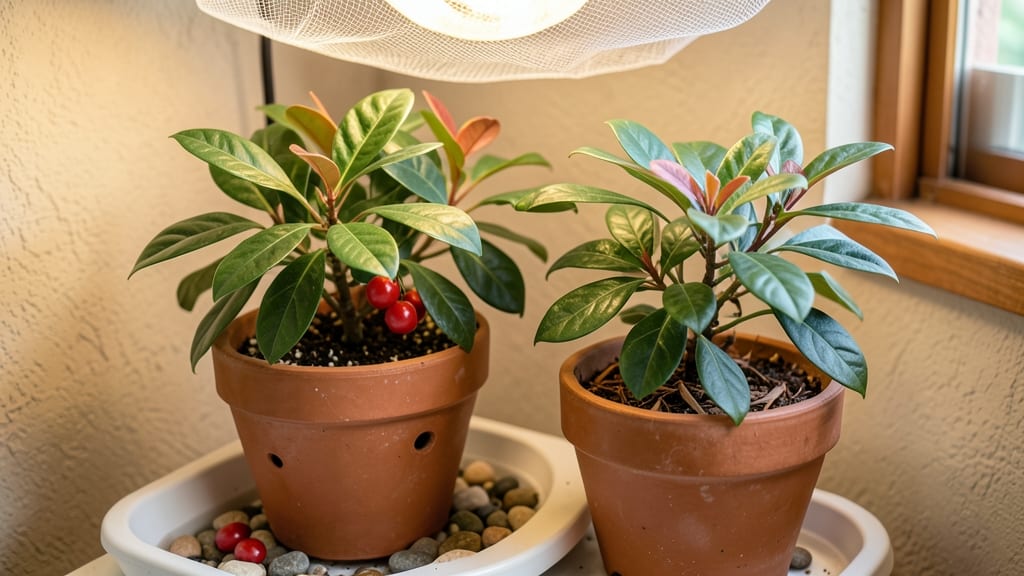
How to grow the miracle fruit plant—six months from now, your first berries might turn sour lemonade into strawberry milk. 🌱 Growing Synsepalum dulcificum is like nurturing a tropical secret—it thrives where most houseplants struggle, and its berries hold magic that changes how you taste everything. This isn’t your average houseplant. It craves humidity like a rainforest native, needs bright indirect light (no harsh sun), and grows best in well-draining, slightly acidic soil. The payoff? A single berry can make citrus taste like pineapple for up to an hour—perfect for gardeners who love flavor experiments. Start with seeds or cuttings, but be patient: germination takes 4-6 weeks, and fruiting won’t happen until 12-18 months. The key is consistency—keep soil moist but not soggy, and prune to encourage bushier growth. Even in small spaces, this plant delivers year-round interest, from glossy leaves to clusters of red berries. Just don’t expect instant results—this is a slow-burn gardening adventure with a delicious payoff.
📚 In This Guide
- What you need
- Instructions
- Tips and common mistakes
- Wrapping up and next steps
What you need
- ● Miracle fruit seeds: 3–5 seeds (available online or from specialty nurseries). Pro tip: 💡 Buy seeds from a reputable seller for the best germination rates!
- ● Well-draining potting mix: 1 bag (1–2 cubic feet) of a light, airy blend (e.g., 50% peat moss, 30% perlite, 20% coconut coir). Avoid heavy garden soil!
- ○ Small pots: 3–4 pots (4–6 inches in diameter) with drainage holes. Optional: Use biodegradable pots for easier transplanting later!
- ● Watering can or spray bottle: For gentle hydration—no drenching!
- ● Pruning shears: Small, sharp pair for trimming leaves or stems as needed.
- ○ Humidity dome or plastic wrap: To create a mini greenhouse for seedlings (optional but helpful!).
- ● Fertilizer: Balanced liquid fertilizer (e.g., 10-10-10 NPK) or organic compost. Use sparingly!
- ● Grow lights or sunny windowsill: 6+ hours of bright, indirect light daily. A south-facing window or LED grow light works perfectly.
- ● Spray bottle with water: For misting leaves—miracle fruit loves humidity!
- ● Warmth: Ideal temperature range of 70–85°F (21–29°C). Avoid drafts or cold windowsills!
- ● Patience: Germination can take 4–12 weeks—stay consistent!
- ● Space: Mature plants need 3–5 feet of height and width. Plan for upward growth!
Step-by-step instructions for cultivating Synsepalum dulcificum
Here’s how I’ve successfully grown this fascinating tropical plant—ready to transform your taste buds in just six months.
🌱 Step 1: Source and Prepare Healthy Seedlings
Start with a 6-12 inch seedling from a reputable supplier, as miracle fruit rarely produces viable seeds from fresh fruit. Look for plants with dark green, glossy leaves and no signs of yellowing or pests. I’ve found that seedlings with 3-5 sets of mature leaves establish faster than smaller ones.
Before planting, inspect the roots—healthy roots should be white or light tan, not brown or mushy. If you’re receiving a bare-root seedling, soak the roots in room-temperature water for 15-20 minutes to rehydrate them before handling. This jumpstarts growth and reduces transplant shock.
🪴 Step 2: Choose the Right Container and Soil Mix
Use a 10-12 inch diameter pot with drainage holes, as miracle fruit thrives in slightly root-bound conditions but despises soggy soil. I fill the pot with a mix of 60% peat-based potting soil, 30% perlite, and 10% coconut coir to ensure excellent aeration and moisture retention.
Add a 1-inch layer of orchid bark or pine fines at the bottom for drainage, then top with a ½-inch layer of coarse sand to prevent soil compaction. Press the soil lightly around the roots to eliminate air pockets, but avoid packing it down—this plant’s roots need room to breathe.
☀️ Step 3: Position for Ideal Light and Temperature
Miracle fruit demands bright, indirect light for at least 6-8 hours daily. Place your pot near an east-facing window or under a grow light on a 12-hour photoperiod. Direct sunlight can scorch the leaves, so avoid south- or west-facing windows unless you’re using sheer curtains.
Keep temperatures between 65-85°F—this plant is tropical and won’t tolerate drafts or temperatures below 55°F. If your home runs cooler, a small space heater near the plant (but not touching) can help maintain consistent warmth during winter.
💧 Step 4: Water and Fertilize for Optimal Growth
Water when the top 1-2 inches of soil feel dry to touch, typically every 5-7 days in warm weather. Stick your finger in the soil—if it’s damp below your knuckle, wait another day. Overwatering causes root rot, which is fatal for this delicate plant.
Feed with a balanced liquid fertilizer (10-10-10) diluted to half-strength every 4-6 weeks during spring and summer. In fall and winter, reduce feeding to once every 8-10 weeks as growth slows. Always water the plant first to prevent fertilizer burn.
✂️ Step 5: Prune and Encourage Fruit Production
Prune leggy growth by cutting back 1-2 inches above a leaf node to encourage bushier, more compact growth. I do this in early spring, just as new leaves begin to emerge. Remove any yellow or damaged leaves immediately—they drain energy from the plant and attract pests.
For fruit production, wait until the plant is at least 18 months old and has 10-12 mature leaves. Flowers appear on new growth, so prune lightly in late winter to stimulate fresh shoots. Once flowers form, keep the soil consistently moist but not soggy—this is critical for fruit development.
Tips & tricks for perfect miracle fruit cultivation
These insider strategies will help you coax the most vibrant growth from your Synsepalum dulcificum—because this tropical oddity demands special care.
Seedling Selection: When choosing your 6-12 inch seedling, focus on the leaf arrangement. Look for plants with 3-5 sets of mature leaves arranged in a spiral pattern—this indicates strong genetic vigor. I've found that seedlings with slightly wrinkled leaves (not curled) often establish faster as they've already begun adapting to their environment. Avoid any plants with brown leaf edges, which can indicate stress or disease that'll only worsen after transplanting.
Root Revival Technique: That 15-20 minute root soak in room-temperature water is your secret weapon for transplant shock prevention. I've had the best success when I add one drop of hydrogen peroxide (3%) per quart of water to this soak—it gently disinfects the roots while rehydrating them. After soaking, gently squeeze out excess water by wrapping the roots in a clean paper towel for 2-3 minutes before planting. This prevents waterlogged soil at the critical planting stage.
Light Positioning: For that crucial 6-8 hours of bright, indirect light, I recommend positioning your plant about 18-24 inches from an east-facing window. If you're using grow lights, place them 12-18 inches above the plant and adjust the height as the plant grows. The key is to avoid the harsh midday sun that can cause leaf scorch—think of it as creating a tropical understory environment. I've noticed my plants develop deeper green foliage when they receive this filtered light exposure.
Temperature Consistency: Maintaining that 65-85°F range is easier than you think with a few simple adjustments. Place your plant near an interior wall where it won't get drafty from opening doors or windows. If your home runs cooler, consider using a small ceramic heat emitter (like a small heating pad designed for reptiles) set to low—these provide radiant heat without drying out the air. Never place heat sources directly under the pot, as this can cause uneven root growth and stress.
Pro Tips for Grow Miracle Fruit Plant
- These insider strategies will help you coax the most vibrant growth from your Synsepalum dulcificum—because this tropical oddity demands special care.
- Seedling Selection: When choosing your 6-12 inch seedling, focus on the leaf arrangement.
- Root Revival Technique: That 15-20 minute root soak in room-temperature water is your secret weapon for transplant shock prevention.
Frequently asked questions
Got questions about growing your own miracle fruit?
Here are some of the most common ones—plus quick, practical answers to help you succeed!
How long does it take for miracle fruit to bear fruit?
Miracle fruit plants typically take 6–12 months to produce fruit after germination, depending on growing conditions. With proper care—like bright, indirect light and consistent moisture—you might see tiny berries as early as 6 months. Patience is key, though!
Can I grow miracle fruit indoors? Yes, but how?
Place your plant near a south-facing window or under grow lights (12+ hours/day). Keep humidity high (use a pebble tray or humidifier) and maintain temps between 65–80°F (18–27°C). A sunny indoor spot mimics its tropical habitat perfectly.
Why isn’t my miracle fruit plant growing? Troubleshooting tips!
Check these common issues:
Leggy stems? Needs more light—move it closer to a window or add grow lights.
Yellow leaves? Overwatering! Let the top inch of soil dry out between waterings.
No new growth? It might be too cold (<60°F/15°C) or lack nutrients. Use a balanced fertilizer (diluted) every 4–6 weeks.
Can I eat the fruit right after it ripens, or do I need to wait?
Wait until the berries turn deep red or purple and feel slightly soft when gently squeezed. Freshly picked fruit loses potency faster, so store it in the fridge for up to a week. For the strongest flavor effect, eat it within 24 hours of picking!
What’s the best way to propagate miracle fruit?
Use seed propagation (easiest for beginners):
- Extract seeds from ripe berries, rinse, and dry for 24 hours.
- Plant ¼-inch deep in moist seed-starting mix.
- Keep warm (70–75°F/21–24°C) and humid under grow lights.
- Germination takes 2–4 weeks.
Wrapping up and next steps
Growing your own miracle fruit plant is a rewarding adventure that unlocks a world of tangy, flavor-transforming magic! 🌱 With the right care—bright indirect light, consistent moisture, and a little patience—you’ll soon enjoy the sweet, citrusy twist this tiny plant brings to every bite.
Whether you’re a seasoned gardener or a curious beginner, your efforts will pay off in just 6 months.
Ready to dive in? Start with a cutting or seed today and watch your plant thrive. Share your progress with fellow plant lovers—your journey might inspire someone else’s flavor revolution! 🍋✨