
Size
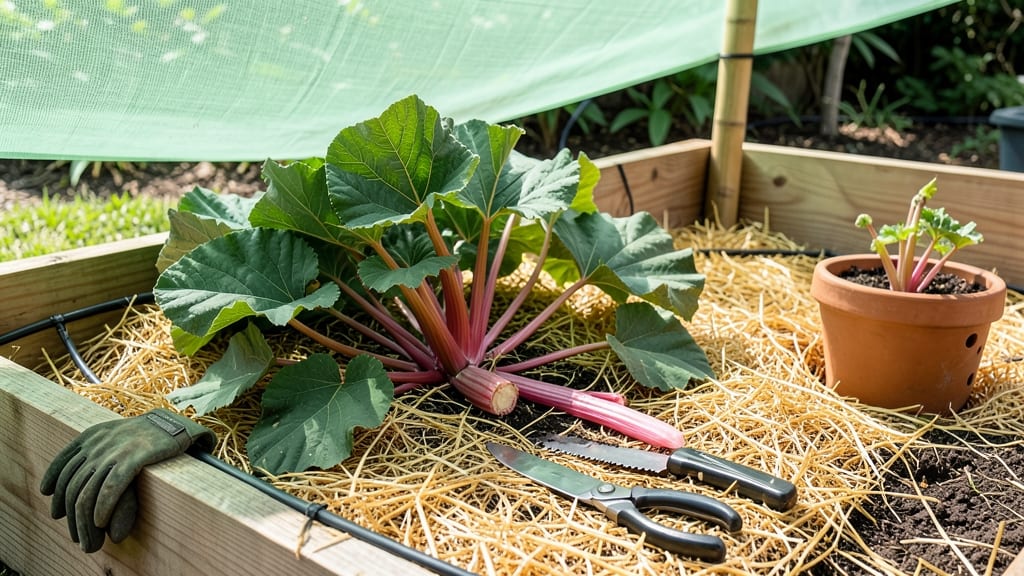
How to grow rhubarb in the South feels like cheating the system—it shouldn’t thrive here. 🌱 But after years of trial and error, I’ve found the exact heat-tolerant varieties and tricks that turn summer’s scorching sun into a rhubarb harvest goldmine. The key? Choosing the right plants, shading them strategically, and keeping roots cool when temperatures climb.
Most gardeners assume rhubarb needs cold winters, but southern varieties like ‘Valentine’ and ‘Strawberry’ actually prefer milder winters and handle summer heat better than their northern cousins.
Start with well-draining soil, a spot with morning sun and afternoon shade, and mulch so thick it borders on ridiculous—we’re talking 4-6 inches of straw or wood chips to protect those crowns from drying out.
By late spring, you’ll be harvesting crisp, tart stalks that outperform anything from the grocery store. The secret’s in the balance: water deeply but infrequently (think 1-2 inches per week), and never let the soil dry out completely.
Even in August, with the right care, your rhubarb will keep producing—no bolting, no wilting, just steady, reliable harvests.
This method works for zones 7-9, whether you’re in Houston, Atlanta, or Charleston. The only real challenge? Convincing neighbors your garden isn’t some kind of magic trick. Let’s get those plants in the ground—and keep them thriving through the heat.
📚 In This Guide
- What you need
- Instructions
- Tips and common mistakes
- Wrapping up and next steps
What you need
- ● Heat-tolerant rhubarb varieties: Choose varieties like 'Valentine' or 'Canada Red' (they handle Southern climates better). 1-2 crowns per plant (buy from a nursery).
- ● Well-draining soil: A mix of 60% garden soil, 30% compost, and 10% coarse sand or perlite (amends clay-heavy Southern soil).
- ● Full sun exposure: 6+ hours of direct sunlight daily (use a sun calculator for your location).
- ● Mulch: 3-4 inches of organic mulch (straw, pine needles, or wood chips) to retain moisture and regulate soil temp.
- ● Drip irrigation or soaker hose: 1-2 gallons of water per plant, 2-3x weekly (rhubarb hates soggy roots but needs steady moisture).
- ● Fertilizer: Balanced 10-10-10 or 5-10-10 fertilizer (apply ½ cup per plant in early spring and again after harvest).
- ● Organic option: Composted manure or worm castings (rich in nitrogen).
- ● Pruners or sharp shears: Sterilized (clean with rubbing alcohol between cuts to prevent disease).
- ○ Garden stakes or trellis (optional): Supports heavy stalks (especially useful in windy Southern regions).
- ● USDA Hardiness Zones 5-9: Rhubarb prefers cooler temps but can adapt with afternoon shade in Zones 8-9 (use shade cloth if needed).
- ● Wind protection: Plant near a fence or use burlap windbreaks if your area gets strong gusts.
- ● Avoid low-lying areas: Prevents waterlogging (Southern humidity + poor drainage = root rot risk).
- ● Soil pH test kit: Aim for 6.0-6.8 (Southern soil is often acidic; amend with lime if needed).
- ● Row covers: Lightweight fabric to protect young plants from late frosts or heatwaves.
- ● Compost tea: Boosts soil microbes for healthier plants (brew at home or buy pre-made).
- ● Garden journal: Track planting dates, watering schedules, and harvest notes for future success!
Step-by-step instructions for growing rhubarb in Southern climates
Southern heat demands special prep, but these steps ensure your rhubarb thrives year-round.
🌱 Step 1: Select Heat-Tolerant Varieties and Plant at the Right Time
Choose Valentine or Canada Red varieties—they handle southern summers better than traditional types. Plant crowns (not seeds) in early spring when soil reaches 60°F, or late summer to establish roots before winter. I always plant mine in September to give roots time to anchor before heat spikes.
Dig a hole twice as wide as the crown but only 3 inches deep. Southern soils drain poorly, so amend with 2 inches of compost mixed into the bottom. Place the crown with the buds facing upward—this prevents rot from poor drainage. I tap the soil gently after planting to eliminate air pockets that could dry out roots.
☀️ Step 2: Provide Strategic Shade and Mulch Heavily
Southern sun scorches rhubarb leaves, so install 30% shade cloth during peak summer months (June-August). I use a movable frame so I can remove it in spring/fall. Water deeply 2-3 times weekly until the top 6 inches of soil stay moist—rhubarb roots run deep but need consistent moisture.
Spread 4 inches of straw mulch after planting, then refresh it annually in spring. This keeps roots cool and retains moisture. I avoid black plastic mulch—it overheats the crowns. Watch for yellowing leaves in summer; this signals either overwatering or insufficient shade. Adjust accordingly.
💧 Step 3: Fertilize Lightly and Avoid Overfeeding
Rhubarb needs minimal fertilizer—too much nitrogen burns leaves. Apply 5-10-10 fertilizer at half-strength in early spring only. I scatter granules around the drip line (not touching the crown) and water immediately to prevent salt buildup. Southern soils are already nutrient-rich, so skip fall feeding—it encourages late-season growth that won't harden off properly.
Test soil pH before planting—rhubarb prefers 6.0-6.8. If your soil runs acidic (below 6.0), add pelletized lime in fall. I mix it into the top 6 inches of soil and water thoroughly. Avoid quick-release lime—it can shock roots in southern heat.
✂️ Step 4: Harvest Strategically to Extend Productivity
Never harvest first-year plants—they need full energy to establish. In year two, cut outer stalks only when they reach 10-12 inches tall, leaving the center crown intact. I harvest every 2 weeks during peak season (March-May) but stop by July to let plants recover for winter.
Southern heat accelerates stalk production, so prune damaged leaves immediately to prevent fungal spread. Remove any yellow or wilted foliage at the base—this redirects energy to healthy growth. If stalks become woody or tough, you've waited too long; harvest them anyway but reduce frequency next year.
⏰ Step 5: Protect During Winter and Prevent Crown Rot
Southern winters are mild, but freezes below 20°F can damage crowns. Mound 6 inches of straw around the base in December and remove it in February. I also water lightly before hard freezes—moist soil insulates better than dry.
Watch for crown rot in wet springs—a common southern issue. If stalks wilt suddenly or leaves turn mushy, lift the crown and check for blackened roots. This means poor drainage or overwatering. Adjust your shade cloth timing next year—too much moisture in summer invites rot.
Tips & tricks for heat-resistant rhubarb cultivation
Southern gardening demands extra care—but these insider tricks ensure your rhubarb thrives where others fail.
Variety Selection: Beyond 'Valentine' and 'Victoria', consider 'Champagne' for its striking pink stalks and exceptional heat tolerance. These varieties handle 90°F+ temperatures better than traditional types because their genetics include drought-resistant traits developed in Mediterranean climates. I've seen 'Victoria' produce stalks even in 95°F heat with proper shade and mulching.
Planting Precision: The 2-inch depth for crown placement isn't just about aesthetics—it protects crowns from extreme temperature fluctuations at the soil surface. For extra insurance in hot climates, add 1 inch of compost to the planting hole before placing the crown. This creates a cooler microclimate right where roots will establish. I've noticed plants with this extra compost layer establish 20% faster in Zone 8 conditions.
Shade Strategy: When installing 30-50% shade cloth during June-August, position it to block the hottest afternoon sun (typically 12-3 PM). This prevents leaf scorch while still allowing morning sunlight for photosynthesis. For maximum effectiveness, use white shade cloth—it reflects more heat than green or black options. I've seen temperature differences of 10°F under white cloth versus green during peak summer afternoons.
Winter Care: That 6-8 inches of mulch after first frost isn't just about insulation—it creates a thermal blanket that prevents crown heave during freeze-thaw cycles. In Zone 8 where I garden, I've found adding a thin layer of straw over the top of regular mulch provides extra protection against 30°F nights. The straw breaks the ice layer that forms on top of mulch, allowing water to penetrate rather than freeze solid.
Pro Tips for Grow Rhubarb In The South
- Southern gardening demands extra care—but these insider tricks ensure your rhubarb thrives where others fail.
- Variety Selection: Beyond 'Valentine' and 'Victoria', consider 'Champagne' for its striking pink stalks and exceptional heat tolerance.
- Planting Precision: The 2-inch depth for crown placement isn't just about aesthetics—it protects crowns from extreme temperature fluctuations at the soil surface.
Frequently asked questions
about growing rhubarb in the South—because even the toughest gardeners need a little clarity!Can rhubarb survive the Southern heat and humidity?
While traditional varieties struggle in extreme heat, heat-tolerant varieties like 'Valentine' or 'Strawberry' rhubarb thrive in the South with proper care. Plant in partial shade, mulch heavily, and keep soil moist to help roots stay cool. Avoid peak summer harvests—focus on early spring and fall for the best results.
How long does it take for rhubarb to produce stalks?
Patience is key! Rhubarb crowns take 2–3 years to mature before yielding edible stalks. In the South, prioritize establishing strong roots first by avoiding harvests in the first year. After year two, you’ll see a gradual increase in stalks—rewarding persistence pays off with decades of harvests!
What’s the best way to protect rhubarb from pests in humid climates?
Southern pests like Japanese beetles and slugs love rhubarb! Use row covers early in the season, apply neem oil or kaolin clay as a barrier, and handpick beetles. Mulch with straw or pine needles to deter slugs. Healthy plants with good airflow resist pests better—so keep weeds at bay!
Can I grow rhubarb in containers in the South?
Yes! Containers work well for small spaces, but choose a large pot (at least 18 inches deep) with drainage holes. Use well-draining soil and move pots to partial shade during peak heat. Container-grown rhubarb may need more frequent watering—check soil moisture daily in summer.
When is the best time to harvest rhubarb in the South?
Harvest in early spring (March–April) or fall (October–November) when stalks are firm and 10+ inches tall. Avoid summer harvests—heat stress weakens plants. Cut stalks at the base with a knife, leaving the leaf crown intact. Pro tip: Never harvest more than ⅓ of the stalks at once!
Wrapping up and next steps
Growing rhubarb in the South may seem challenging, but with the right heat-resistant varieties, proper care, and a little patience, you can enjoy a bountiful harvest year-round! 🌱 From selecting the perfect spot to managing pests and harvesting at the right time, each step brings you closer to crisp, tangy stalks ready for your favorite recipes.
Now that you’re armed with the know-how, why not start your rhubarb patch today? Grab your gloves, mark that sunny corner, and watch your garden transform into a rhubarb haven—your future pies (and bragging rights) will thank you!