
Size
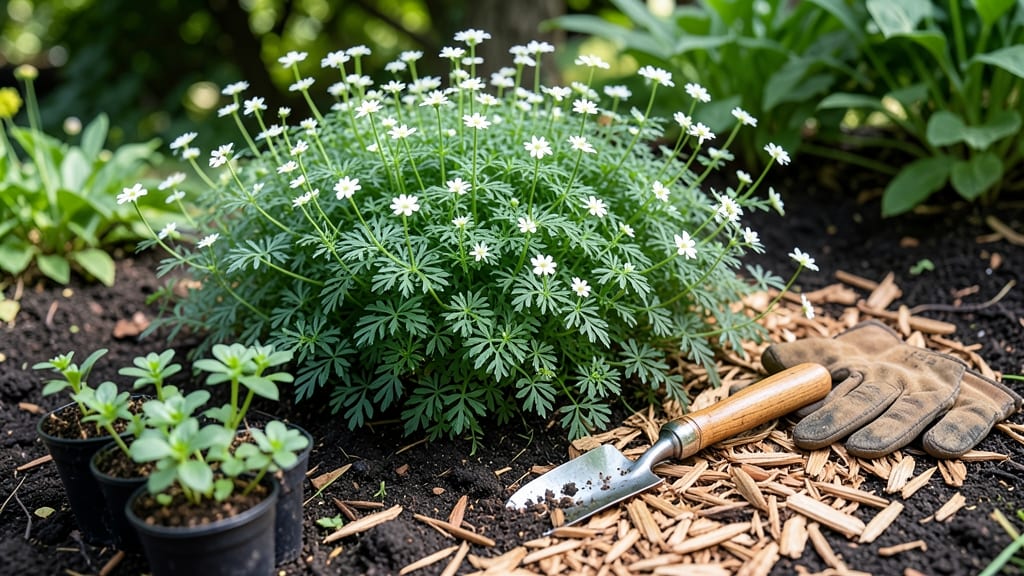
Sweet woodruff how to grow this shade-loving ground cover is like inviting a whisper of spring underfoot. 🌿 This delicate plant transforms dull corners into fragrant carpets, its tiny white flowers and vanilla-scented foliage creating a magical understory.
I first planted it along my north-facing foundation, and within two years, it completely outcompeted weeds—without any effort from me.
The secret lies in its adaptability: it thrives where most plants fail—deep shade, poor soil, and even dry conditions. You’ll need minimal supplies: a small packet of seeds or a division from an established plant, some well-draining soil, and patience (it spreads slowly but surely).
The real magic happens in late spring when the leaves release their signature vanilla scent after rain.
By summer’s end, you’ll have a lush, self-renewing ground cover that suppresses weeds naturally. The plants stay low—perfect for edging paths or filling gaps between shrubs—while attracting pollinators with their tiny white blooms. Even better? It’s deer-resistant and handles foot traffic surprisingly well.
Works best in zones 4-8, though it tolerates partial shade in warmer climates. Here’s how to get started without the guesswork—your shade garden will thank you.
📚 In This Guide
- What you need
- Instructions
- Tips and common mistakes
- Wrapping up and next steps
What you need
- ● Sweet woodruff plants: 3–5 healthy nursery starts (or seeds, if starting from scratch). Choose organic, disease-free specimens.
- ● Well-draining soil: A mix of 60% topsoil, 30% compost, and 10% perlite/sand (for loose, airy texture). Aim for a pH of 6.0–7.0.
- ● Shade-friendly location: Partial to full shade (4+ hours of dappled sunlight max). Avoid soggy spots!
- ● Mulch: 2–3 inches of shredded bark or pine straw to retain moisture and suppress weeds.
- ● Watering can or hose: With a gentle spray nozzle for even moisture (no heavy soaking!).
- ● Pruners: Sharp, sterilized shears (for trimming in early spring).
- ● Organic fertilizer: A balanced 10-10-10 or fish emulsion (apply sparingly in early spring).
- ● Garden gloves: To protect your hands from soil and prickly stems.
- ● Ground cover fabric: For weed control in the first growing season (remove after 1 year).
- ● Companion plants: Ferns, hostas, or astilbes to pair with sweet woodruff for a lush, layered look.
Step-by-Step instructions for cultivating sweet woodruff in shade
This hardy ground cover thrives where others falter—here’s how to establish it with minimal fuss.
🌱 Step 1: Select and Prepare the Planting Site
Sweet woodruff (Galium odoratum) demands partial to full shade—think dappled sunlight or deep shade—and moist, well-draining soil with a slightly acidic to neutral pH (6.0-7.0). I test soil pH before planting; amending with compost or peat moss ensures it stays loose and fertile. Avoid soggy spots—this plant hates waterlogged roots.
Choose a location with 4-6 inches of organic mulch already in place (I use shredded hardwood bark). The mulch suppresses weeds and retains moisture, which sweet woodruff adores. Clear any existing vegetation, but don’t till deeply—its fibrous roots prefer undisturbed soil.
🪴 Step 2: Plant Crowns or Divide Established Clumps
Sweet woodruff spreads via rhizomes, so I plant 4-inch divisions (or bare-root crowns) 6-12 inches apart in rows 12-18 inches apart. Dig holes twice as wide as the root ball but only as deep as the crown—burying too deep smothers the plant. Gently tease out tangled roots to encourage outward growth.
Backfill with the native soil (no amendments needed if you prepped well), then water deeply to settle roots. The key here is gentle handling—crushed rhizomes = slower establishment. I press soil lightly with my fingers to remove air pockets, then add a thin layer of mulch (¼ inch) to protect new growth.
💧 Step 3: Water and Monitor Early Growth
Keep soil consistently moist but not soggy for the first 4-6 weeks—this is critical. I water every 2-3 days until new shoots appear, then taper to once weekly (adjust for rain). Overwatering causes rot; underwatering stunts growth. You’ll know moisture is right when the soil feels damp 1 inch below the surface.
Sweet woodruff’s first true leaves emerge in 3-4 weeks as small, oval-shaped foliage. Watch for uniform green color—pale leaves mean too little light, while yellowing signals overwatering. If weeds sprout, pull them immediately; they’ll outcompete the woodruff until it’s established.
☀️ Step 4: Maintain Through the First Growing Season
Once established, sweet woodruff needs minimal care—just occasional watering during dry spells and annual top-dressing with compost in early spring. I fertilize lightly (if at all) because rich soil can encourage leafy growth over fragrance. The plant’s vanilla-like scent peaks in late spring, so resist the urge to trim until after flowering.
In fall, cut back brown or leggy stems to 2 inches above ground to encourage dense regrowth. This also prevents self-seeding (though it spreads aggressively via rhizomes). If birds or deer nibble, don’t worry—it’s tough enough to bounce back. By year two, it’ll form a lush, fragrant carpet that crowds out weeds naturally.
✂️ Step 5: Divide and Expand in Early Spring
Every 2-3 years, dig up clumps in early spring (before new growth) and divide into smaller sections. I use a sharp spade to slice through the rhizomes, ensuring each piece has at least one growth bud. Replant divisions immediately or store in a shady, cool spot with moist peat moss until ready to transplant.
This is the secret to vibrant, fragrant patches—regular division prevents overcrowding and rejuvenates growth. Plant new divisions in prepared beds (same shade/moisture conditions) and water deeply for the first week. Within 2-3 months, you’ll see fresh, aromatic foliage filling the space.
Tips & tricks for perfect sweet woodruff growth
Here's what I've learned after years of growing this fragrant ground cover—tricks that'll help you avoid common pitfalls and get the most out of your shade garden.
Soil Prep is Everything: Don't rush the soil preparation in Step 1. I've found that adding a handful of worm castings to your compost-peat moss mix gives an extra boost to root development. The key is creating that perfect balance of moisture retention and drainage—think of it as making a sponge that holds water but doesn't drown the roots. Test your soil's moisture level by squeezing a handful: it should hold together but not be dripping wet.
Rhizome Handling Technique: When dividing in Step 2, I use a sterilized knife to make clean cuts through the rhizomes rather than pulling them apart. This prevents tearing and gives you cleaner divisions that establish faster. After cutting, I immediately plant the divisions—never let them dry out. The ¼-inch mulch layer you add afterward acts like a protective blanket, keeping moisture in and weeds out.
Watering Wisdom: The 4-6 week critical watering period in Step 3 is where most people fail. I've seen beautiful plants wilt because someone thought "consistently moist" meant daily watering. Instead, check soil moisture by pushing a finger 1 inch deep—if it's dry, water; if it's damp, wait. Early morning watering prevents fungal issues, and using a soaker hose delivers water right to the roots where it's needed most.
Fall Maintenance Secret: When you cut back those brown stems in Step 4, save a few healthy-looking stems from different parts of the plant. Bundle them together and hang them in a dry, dark place over winter. In spring, you'll have fresh cuttings ready to propagate new plants—it's like getting free sweet woodruff for next year!
Pro Tips for Grow Sweet Woodruff
- Here's what I've learned after years of growing this fragrant ground cover—tricks that'll help you avoid common pitfalls and get the most out of your shade garden.
- Soil Prep is Everything: Don't rush the soil preparation in Step 1.
- Rhizome Handling Technique: When dividing in Step 2, I use a sterilized knife to make clean cuts through the rhizomes rather than pulling them apart.
Frequently asked questions
How fast does sweet woodruff spread in a garden?
Sweet woodruff spreads moderately—about 12–18 inches per year under ideal conditions. It’s not aggressive like mint but will slowly fill in shady spots. For faster coverage, divide established clumps every 3–4 years or plant in dense patches. Mulch lightly to encourage root spread without smothering it.
When is the best time to harvest sweet woodruff for tea or mulch?
Harvest leaves just before flowering (late spring to early summer) for the strongest scent and flavor. Cut stems close to the ground, then dry them in bundles or spread them out in a dark, airy space. Avoid harvesting after rain—wet leaves lose fragrance and may mold. Store dried woodruff in airtight containers for up to a year.
Can sweet woodruff survive in full sun? What if my yard is too bright?
Sweet woodruff thrives in shade (partial to full) but may struggle in hot, sunny spots. If your yard has full sun, plant it in morning shade or dappled light near trees or structures. For sunnier areas, pair it with hostas or ferns to mimic its natural woodland habitat. Avoid south-facing walls—it prefers cooler roots!
Why are my sweet woodruff leaves turning yellow or brown?
Yellowing leaves often signal overwatering or poor drainage. Ensure soil is moist but not soggy—woodruff dislikes "wet feet." Brown edges or crispy leaves? Drought or salt buildup (from tap water) may be the culprit. Test soil pH (ideal: 6.0–7.0) and flush roots with rainwater if needed. Fungal issues? Space plants for airflow and avoid overhead watering.
What’s a good substitute if sweet woodruff isn’t available?
For fragrance and shade tolerance, try:
- Lungwort (Pulmonaria) – Silvery foliage, early blooms, and mild scent.
- Wild ginger (Asarum) – Heart-shaped leaves, evergreen, and low-growing.
- Sweet woodruff’s cousin, Galium odoratum (same species, different cultivar) – Often sold as "fragrant ground cover."
Wrapping up and next steps
Growing sweet woodruff is a rewarding journey that brings fragrant charm to your shade garden with minimal effort! 🌿 With the right soil, partial shade, and a bit of patience, you’ll soon enjoy its delicate white flowers and fresh, vanilla-like scent.
Whether you’re using it as a living mulch, a pollinator-friendly ground cover, or a natural tea ingredient, this hardy plant delivers beauty and utility.
Ready to take the next step? Start small—plant a few patches this season and watch your garden transform into a fragrant oasis. Happy growing! 🌱