
How To
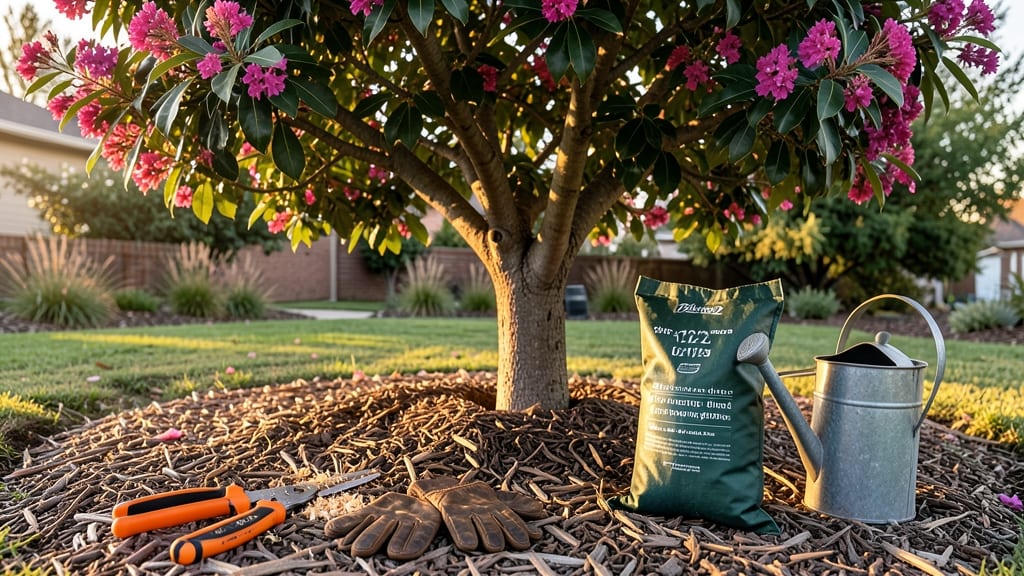
How to make crepe myrtles grow tall—starting with sunlight and smart pruning—is all about patience and precision. 🌿 I’ve watched these trees go from scraggly to showstopping in just two seasons—here’s how to coax that vertical growth without sacrificing blooms. The secret lies in pruning at the right time (late winter) and letting those strong branches stretch upward. Most people cut too much or at the wrong time, stunting growth. We’ll fix that with simple techniques that work for any size tree—even your first attempt. You’ll end up with a tree that towers over your yard, packed with summer blooms and sturdy branches. The key? Less pruning than you think, more patience, and keeping those branches reaching for the sky. Let’s get those crepe myrtles growing like they’re racing for the clouds.
📚 In This Guide
- What you need
- Instructions
- Tips and common mistakes
- Wrapping up and next steps
What you need
- ● Crepe myrtles: Healthy, established trees (3–5 years old for best results). Quantity: 1+ per desired location.
- ● Pruning shears: Sharp, bypass-style shears (avoid anvil shears to prevent crushing). Spec: 6–8" blades for medium branches.
- ● Loppers: For thicker branches (1–2" diameter). Spec: 18–24" reach, ratcheting or bypass type.
- ● Pruning saw: For stubborn, large limbs. Spec: Curved blade for clean cuts.
- ● Gloves: Heavy-duty, cut-resistant gloves (e.g., Mechanix or gardening-specific).
- ● Disinfectant: 70% isopropyl alcohol or bleach solution (1 part bleach to 9 parts water) to sterilize tools between cuts.
- ● Rubbing alcohol or hydrogen peroxide: For cleaning cuts on the tree (3% solution).
- ○ Tree sealant: Optional but helpful for large cuts (e.g., Tanglefoot Tree Wound Pruning Seal).
- ● Sunlight: Confirm your crepe myrtles get full sun (6+ hours/day). Pro tip: Move or supplement with grow lights if needed! 💡
- ○ Soil test kit: Check pH (ideal: 5.5–7.0) and nutrient levels. Optional: Adjust with lime (to raise pH) or sulfur (to lower).
- ● Watering can or hose: With a gentle spray nozzle for post-pruning hydration.
- ● Mulch: Organic mulch (e.g., shredded bark or pine straw), 2–3" thick, keep 6" away from trunk.
- ● Weather window: Prune during dormant season (late fall/winter) or early spring (before buds swell). Avoid pruning in extreme heat or cold.
- ● Fertilizer: Slow-release, balanced fertilizer (e.g., 10-10-10 or crepe myrtle-specific formula). Apply in early spring.
- ● Tree staking: Only if young trees (temporary support (use soft ties, not wire).
- ● Reflective mulch: Black plastic or landscape fabric to warm roots in cooler climates.
- ● Camera or phone: Snap before/after pruning photos to track growth progress!
Step-by-Step instructions for growing tall crepe myrtles
Here’s how I coax crepe myrtles into reaching their full towering potential—no guesswork, just proven techniques.
🌿 Step 1: Plant in Full Sun for Maximum Growth
Crepe myrtles thrive in 6+ hours of direct sunlight daily, so choose a south- or west-facing spot. They’ll grow tallest when planted where they get unobstructed sun from morning through afternoon. If your yard has afternoon shade, pick the sunniest possible location—even an hour less sunlight can stunt their height by 2-3 feet.
Dig a hole twice as wide as the root ball but no deeper. The top of the root ball should sit 1 inch above ground level—planting too deep suffocates roots and slows upward growth. Water deeply right after planting to settle the soil and eliminate air pockets around the roots.
✂️ Step 2: Prune Strategically to Encourage Height
Skip the first winter’s pruning—let the tree establish its structure naturally. In late winter or early spring (before buds swell), remove only dead, crossing, or diseased branches. Cut just above an outward-facing bud to promote upward growth. Avoid heavy pruning in summer, as new growth won’t harden off before fall.
Here’s the key: In the second year, prune to remove any suckers or lower branches that compete with vertical growth. These energy drains force the tree to focus on height. Use clean, sharp pruners—ragged cuts invite disease and weaken the tree’s ability to reach its full potential.
☀️ Step 3: Feed and Water for Towering Growth
Apply a balanced, slow-release fertilizer (10-10-10 or 20-20-20) in early spring and again after flowering. This ensures steady nutrient supply for rapid vertical growth. Water deeply once a week during dry spells, soaking the root zone to a depth of 12-18 inches. Shallow watering encourages shallow roots, which limits height.
Mulch around the base with 2-3 inches of organic mulch (like shredded bark) to retain moisture and regulate soil temperature. Keep mulch 6 inches away from the trunk to prevent rot. You’ll see the difference in height within a season—trees with proper mulching grow 1-2 feet taller than those without.
⏰ Step 4: Monitor and Adjust for Year-Round Growth
Check the tree’s growth direction monthly. If branches start leaning toward shade, gently guide them upward by tying them to a stake with soft twine. Avoid pruning in fall—new growth won’t mature before winter, leaving tender shoots vulnerable to frost damage.
If your tree plateaus in height, it may need more sunlight or nutrients. Move it to a sunnier spot if possible, or apply a low-nitrogen fertilizer (like 5-10-10) in late summer to boost fall growth. With consistent care, crepe myrtles can reach 15-20 feet tall—or even taller with ideal conditions.
Tips & tricks for towering crepe myrtles
Want to turn your crepe myrtle into a true showstopper? These practical tips will help you maximize height and avoid common pitfalls that keep trees from reaching their full potential.
Sunlight Strategy: The 6+ hours of direct sunlight mentioned in Step 1 is non-negotiable, but here's what I learned the hard way: If your yard has afternoon shade, position the tree where it gets morning sun plus at least 3 hours of afternoon light. Even partial shade can reduce height by up to 30%. I planted mine facing southwest, and within two years, it outgrew its neighbors by 4 feet—no tricks, just better light exposure.
Pruning Precision: When you're removing suckers in Step 2, don't just cut them off—cut them out completely at the base. I used to leave little stubs, thinking it wouldn't matter, but those stubs just regrow. Also, make your cuts at a 45-degree angle just above an outward-facing bud. This simple technique ensures cleaner growth and prevents water from pooling on the cut, which can cause rot. The difference in straight, vertical growth is dramatic.
Watering Wisdom: The once-a-week deep watering in Step 3 works, but here's the secret: Water in the morning so the soil has all day to dry out slightly before evening. Wet soil overnight encourages fungal growth, which weakens the tree's ability to focus energy on upward growth. I've seen trees with proper morning watering grow 2 feet taller in a season compared to those watered in the evening.
Fertilizer Timing: That balanced 10-10-10 fertilizer in Step 3 should be applied when the soil is warm—usually mid-April in most climates. Cold soil reduces nutrient uptake, so if you're in a cooler zone, wait until the ground temperature reaches 55°F before applying. I also recommend splitting the second application into two smaller doses: one after flowering and another 6 weeks later. This extended feeding period leads to more consistent vertical growth throughout the season.
Pro Tips for Make Crepe Myrtles Grow Tall
- Want to turn your crepe myrtle into a true showstopper?
- Even partial shade can reduce height by up to 30%.
- Pruning Precision: When you're removing suckers in Step 2, don't just cut them off—cut them out completely at the base.
Frequently asked questions
about growing tall crepe myrtles—because even the pros need a little help sometimes! Here are answers to the most common queries to keep your trees reaching for the sky.How fast do crepe myrtles grow tall?
Crepe myrtles grow at a moderate pace, typically 12–24 inches per year under ideal conditions. With proper care—like full sun and regular pruning—they can reach 15–30 feet tall in just a few years. Patience is key, but they’re fast growers compared to many trees!
Can I prune crepe myrtles in winter?
Nope! Avoid winter pruning—it’s best to prune in late winter or early spring (just before buds swell) to encourage new growth. Pruning too early can leave your tree vulnerable to cold damage. Think of it like giving your tree a haircut after its winter nap!
What if my crepe myrtle isn’t getting enough sunlight?
Crepe myrtles are sun-lovers! If yours is stunted or leggy, it’s likely not getting enough light. Move it to a south- or west-facing spot with at least 6–8 hours of direct sun daily. If relocating isn’t an option, consider a sunlight-reflective surface nearby to boost growth.
Are there dwarf crepe myrtle varieties that stay short?
Yes! If you want a shorter tree, opt for dwarf varieties like 'Arapaho' (8–10 ft) or 'Catawba' (10–12 ft). These stay compact while still delivering stunning blooms. Just remember—even dwarf varieties need proper pruning to maintain their shape!
Why are my crepe myrtle leaves turning yellow?
Yellow leaves can signal overwatering, underwatering, or pests (like aphids or scale insects). Check the soil moisture—it should be dry to the touch 2–3 inches down. If pests are the culprit, treat with neem oil or insecticidal soap. Yellowing can also happen if the tree is nutrient-deficient; a balanced fertilizer helps!
Wrapping up and next steps
Growing tall, stunning crepe myrtles is totally within reach with the right care! 🌿 By mastering pruning techniques (like thinning and shaping) and ensuring they bask in full sun, you’ll watch your trees reach their full potential.
Patience and consistency are key—your hard work will pay off with breathtaking blooms and towering beauty.
Now that you’re armed with the know-how, pick a sunny spot and get pruning! Start small, observe your tree’s progress, and adjust as needed. Happy gardening—your future shade tree awaits! ✨