
Size
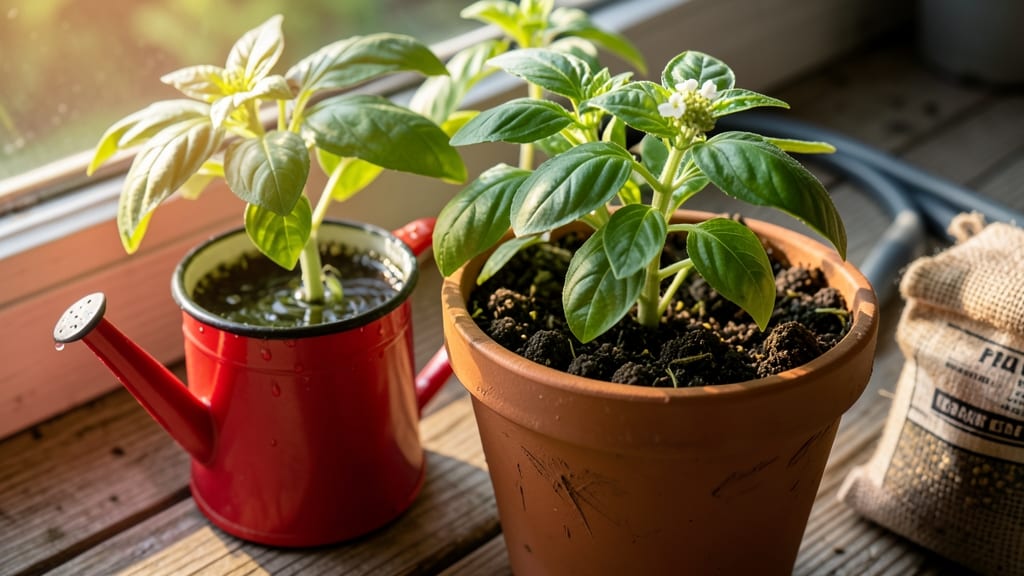
How to help basil grow—it’s all about giving it the right light. 🌱 I’ve watched fresh basil turn bitter and leggy every spring—until I learned the sunlight secrets that keep it compact, fragrant, and productive all season. The difference between store-bought and homegrown basil starts with where (and how long) you place it.
Most people overlook the 6+ hours of direct sun basil craves daily—any less and you’ll get slow growth, pale leaves, and that dreaded early flowering. I use a south-facing windowsill or grow light for 12-14 hours when natural light drops below 6 hours, and my plants stay lush and flavorful.
The soil? Well-draining potting mix with a handful of compost is all it needs—no fancy amendments required.
With the right light, you’ll harvest plump, sweet leaves in as little as 3 weeks from seed. Pinch off flowers as soon as they appear to redirect energy into leaf growth, and water at the soil level (never overhead) to prevent fungal issues.
The key? Consistency—basil rewards patience with months of harvests if you keep it happy.
Even apartment balconies or kitchen windows can work—just rotate pots weekly so all sides get even light. And if your basil starts stretching toward the sun? That’s your cue to move it closer or supplement with a grow light. Trust me, your pesto will thank you.
📚 In This Guide
- What you need
- Instructions
- Tips and common mistakes
- Wrapping up and next steps
What you need
- ● Basil seeds or seedlings: Choose Genovese, Thai, or Purple basil seeds (or starter plants) from a trusted nursery or garden center.
- ● Containers or garden bed: For pots: 6–12-inch diameter containers (with drainage holes) per plant.
- ● For garden beds: Well-draining soil in a sunny spot (6+ hours of sunlight daily).
- ● High-quality potting mix: Lightweight, well-draining soil (avoid heavy clay). Add perlite or vermiculite (10–20% mix) for extra aeration.
- ● Watering can or spray bottle: Gentle watering prevents root damage.
- ● Fertilizer: Organic options like fish emulsion (5-5-5) or compost tea (diluted to half-strength).
- ● Sunlight access: A south-facing window, grow light (12–16 hrs/day), or outdoor sunbath.
- ● Pruning shears: Sharp scissors to pinch back stems for bushier growth.
- ● Mulch: Straw or shredded leaves to retain moisture and suppress weeds.
- ● Plant supports: Small stakes or cages if basil flops in windy conditions.
- ● pH test kit: Ideal soil pH: 6.0–7.0 (adjust with lime or sulfur if needed).
- ● Companion plants: Marigolds or tomatoes (they love basil’s pest-repelling vibes!).
Step-by-step instructions for maximizing basil growth
Here’s how I turn floppy basil into bushy, fragrant powerhouses—no green thumb required.
☀️ Step 1: Position for Full Sunlight Daily
Basil thrives with 6-8 hours of direct sunlight—that’s non-negotiable. Place your pot on a south-facing windowsill or balcony where it gets unfiltered morning sun. If your space only offers partial sun, rotate the pot quarter-turn daily so all sides grow evenly.
You’ll know it’s getting enough light when leaves stay deep green and stems grow sturdy. If leaves pale or stretch toward the light (leggy growth), move it closer to the window. A south-facing window delivers the most intense light, but west-facing works too—just watch for afternoon heat stress.
💧 Step 2: Water Deeply but Infrequently
Basil hates soggy roots but despises dry soil even more. Water when the top inch of soil feels dry—stick your finger in to check. Pour water until it drains freely from the bottom, then empty the saucer to prevent root rot. I water mine every 2-3 days in summer, but adjust based on your home’s humidity.
Overwatering is the #1 killer of basil. If leaves yellow or droop, cut back on watering immediately. The soil should feel damp but not wet. A self-watering pot with a moisture meter helps if you tend to overdo it—basil’s roots need oxygen, not a swamp.
✂️ Step 3: Prune for Bushier Growth
Pinch off the top set of leaves when the plant reaches 6 inches tall. This shock signals the plant to branch out instead of growing leggy. Use clean scissors or your fingers to snip just above a leaf node (where leaves meet the stem). You’ll see new side shoots forming within 5-7 days.
Keep harvesting leaves regularly—this encourages more growth. Never take more than ⅓ of the plant at once, or you’ll stunt its recovery. I harvest mine every 2 weeks by cutting just above a leaf pair, which keeps the plant compact and productive.
🌱 Step 4: Feed Lightly for Flavor Boost
Every 4-6 weeks, mix a ¼ teaspoon of diluted liquid fertilizer (like fish emulsion) into the water when you water. Basil doesn’t need heavy feeding—too much fertilizer burns leaves and reduces flavor. I use a half-strength solution to avoid overdoing it.
Organic options like compost tea work too. Avoid synthetic fertilizers—they can make leaves bitter. If you notice slow growth, a light feeding helps, but basil grows fastest when focused on sunlight and pruning rather than nutrients.
🌿 Step 5: Protect from Pests and Stress
Watch for aphids or spider mites on the undersides of leaves. Spray with a mix of 1 part water, 1 part rubbing alcohol if you spot them—this kills pests without harming the plant. Basil attracts beneficial insects like ladybugs, so a few pests are normal.
Keep it away from drafts or sudden temperature swings. Basil prefers 65-75°F and wilts if exposed to cold drafts or heat over 85°F. If leaves curl or drop, move it to a more stable spot. A fan on low circulation helps prevent fungal issues too.
Tips & tricks for growing lush basil plants
Real talk: Even the best sunlight spot can backfire if you miss these game-changing details.
Light Quality Matters: Morning sun is ideal because it's bright but not scorching like afternoon rays. If your basil gets only afternoon sun, move it to a shadier spot by early afternoon to prevent leaf scorch. I've seen basil leaves bleach white from too much direct afternoon heat—it's not pretty. For indoor plants, supplement with a grow light for 12-14 hours daily if natural light falls short of those critical 6-8 hours.
Pruning Precision: When you pinch those top leaves at 6 inches, make sure to cut just above a leaf node where new branches will emerge. I learned this the hard way—cutting too close to the stem stunts growth. Use clean scissors or your fingers, and always leave at least two sets of leaves below your cut. This ensures the plant has energy reserves to regrow. The 5-7 day wait for new shoots is worth it for that bushy, productive plant.
Temperature Balance: Basil's ideal 65-75°F range is crucial—it's not just about sunlight. If your home gets hotter than 85°F, especially at night, move the plant to a cooler spot or increase airflow with a small fan. I've seen basil plants wilt dramatically when exposed to sudden heat spikes from open windows or heat vents. A simple thermometer near your plant helps monitor conditions without guesswork.
Soil Secrets: Well-draining potting mix is non-negotiable—basil roots rot faster than you'd think in soggy soil. I mix regular potting soil with perlite or vermiculite (about 20% by volume) to improve drainage. For containers without drainage holes, add a layer of pebbles at the bottom to prevent waterlogging. The "top inch dry" rule works best with this lighter mix that dries out more evenly.
Pro Tips for Help Basil Grow
- Real talk: Even the best sunlight spot can backfire if you miss these game-changing details.
- Light Quality Matters: Morning sun is ideal because it's bright but not scorching like afternoon rays.
- Pruning Precision: When you pinch those top leaves at 6 inches, make sure to cut just above a leaf node where new branches will emerge.
Frequently asked questions
Got questions about growing basil? You’re not alone! Here are answers to some of the most common concerns to keep your plants thriving and fragrant.
How often should I water basil?
Water basil when the top inch of soil feels dry—usually every 2–3 days in warm weather. Overwatering is a common killer, so ensure pots have drainage holes. Pro tip: Stick your finger in the soil to check moisture levels instead of relying on a schedule!
How long does it take for basil to grow?
From seed, expect 6–8 weeks for germination and harvest-ready leaves. If you start with seedlings, you’ll see growth in 3–4 weeks with proper sunlight (6+ hours/day). Patience pays off—those first leaves are worth the wait!
Can basil grow without direct sunlight?
Basil loves sunlight, but it can survive in partial shade (3–4 hours/day) if you’re in a low-light area. Place it near a south-facing window or use a grow light (12–16 hours/day). Growth will be slower, and leaves may lose flavor.
Why are my basil leaves turning yellow?
Yellow leaves usually mean overwatering, poor drainage, or pests. Check for soggy soil, fix drainage issues, and inspect for aphids or spider mites. Fix it fast: Trim affected leaves, repot if needed, and spray with neem oil if bugs are the culprit.
Can I grow basil indoors year-round?
Basil thrives indoors with bright light, warmth (60–75°F), and humidity. Use a sunny windowsill or grow light, and rotate the pot weekly for even growth. Just watch for leggy stems—prune regularly to encourage bushiness.
Wrapping up and next steps
Growing fragrant, fast basil is all about sunlight, patience, and a little love—and now you’ve got the secrets! 🌿 Whether you’re a seasoned gardener or a newbie with a sunny windowsill, these tips will help you cultivate lush, flavorful leaves in no time. Remember: consistency is key, and even the smallest adjustments can make a big difference.
Ready to harvest your homegrown bounty? Start by snipping leaves for cooking or sharing cuttings with friends—because nothing beats the joy of fresh basil straight from your garden! 🍃