
Size
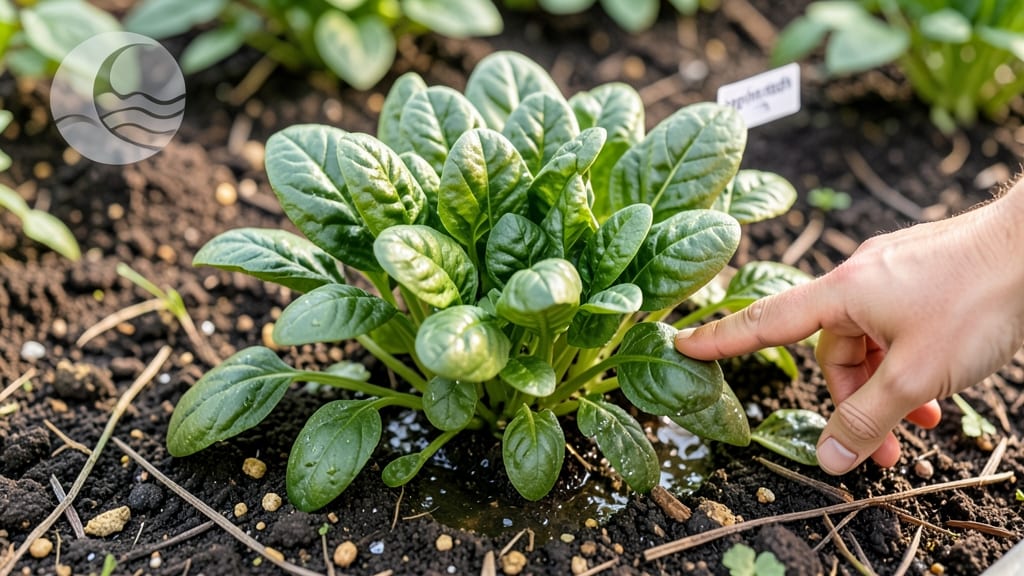
Spinach bolts before you can blink—unless you know how to help it grow. 🌱 I’ve grown spinach for years, and the difference between wilted greens and lush, fast-growing harvests comes down to two things: cool soil and gentle sunlight.
Too much heat or direct sun turns it bitter and bolty in days, but get these right, and you’ll be harvesting tender leaves in weeks.
The soil needs to stay cool and moist—think 60-70°F, never hotter. Amend your garden bed with compost before planting, and keep the soil consistently damp (but not soggy). Spinach thrives in partial shade, especially in hot climates, where morning sun and afternoon shade prevent bolting.
For indoor growing, a north-facing window or grow light works best—just keep it away from heat sources.
Watering is where most people fail: deep but infrequent watering keeps roots strong. A good rule is to water when the top inch of soil feels dry, but never let it dry out completely.
A light mulch of straw or grass clippings helps retain moisture and keeps roots cool. With these tweaks, you’ll go from sad seedlings to bowls of fresh spinach in just 30-45 days.
Bonus: If you’re in a warm climate, try shade cloth or plant spinach in late summer for fall harvests. The key is patience—spinach grows best when treated like a cool-weather crop, even if you’re growing it year-round. Once you master this, you’ll never buy store-bought spinach again.
📚 In This Guide
- What you need
- Instructions
- Tips and common mistakes
- Wrapping up and next steps
What you need
- ● Spinach seeds: Choose a fast-maturing variety (e.g., Baby’s Leaf Hybrid or Bloomsdale Long Standing). Aim for 1-2 grams of seeds (about 100-200 seeds) per 10 sq. ft. of garden space.
- ● Well-draining soil: A mix of 60% topsoil, 30% compost, and 10% perlite or sand (for aeration). Test pH—spinach thrives in 6.5-7.0.
- ● Container or garden bed: For containers: 5-gallon pots or deeper trays (6+ inches deep) with drainage holes. Use 1-2 plants per container.
- ● For in-ground: Rows 12-18 inches apart, with seeds spaced 1-2 inches apart.
- ● Watering can or hose: With a gentle spray nozzle to avoid displacing seeds.
- ● Organic fertilizer: Balanced 10-10-10 or fish emulsion (apply lightly at planting and mid-growth).
- ○ Row covers or shade cloth (optional but helpful): 30-50% shade cloth if growing in hot climates (prevents bolting).
- ● Garden gloves (to protect hands from soil and thorns).
- ● Hand trowel (for planting seeds evenly).
- ● Mulch (straw or grass clippings) (to retain moisture and suppress weeds).
- ○ Epsom salt (magnesium sulfate) (1 tbsp per gallon of water, optional for nutrient boost).
- ● Pest control: Neem oil spray or row covers (to deter slugs and aphids).
- ● Grow lights (indoor setups) (12-16 hours/day for seedlings).
Step-by-Step instructions for maximizing spinach growth
Here’s how I ensure spinach thrives—from soil prep to sunlight positioning—for rapid, lush harvests.
🌱 Step 1: Prepare Rich, Well-Draining Soil
Spinach thrives in loose, nutrient-dense soil with a pH between 6.5 and 7.0. Work in 2-3 inches of compost into the top 6 inches of soil—this boosts organic matter and prevents compaction. I avoid heavy clay by amending with 1 part perlite per 3 parts soil to improve drainage.
Test moisture by squeezing a handful: it should hold together but crumble when released. If your soil drains too slowly, mix in sand to create air pockets. Spinach roots need oxygen as much as water, and soggy soil invites rot. I like to add a balanced fertilizer (10-10-10) at planting time for an immediate nutrient kick.
☀️ Step 2: Position for Partial Sun and Cool Temperatures
Spinach grows best in partial shade, especially in hot climates. Aim for 3-4 hours of morning sun and afternoon shade—this prevents bolting (flowering too soon). I plant mine near taller perennials or under a 50% shade cloth during peak summer heat.
Ideal temperatures range from 50-75°F. If nights dip below 40°F, cover plants with frost cloth to protect tender leaves. Watch for wilting in afternoon sun—this is your cue to move plants to a shadier spot. Spinach is a cool-season crop, so I always plant it in early spring or fall for fastest growth.
💧 Step 3: Water Consistently Without Overwetting
Keep soil evenly moist but never waterlogged—spinach roots rot quickly in saturated conditions. Water 1 inch per week, splitting it into two sessions: once in the morning and once in the evening. I use a soaker hose to deliver water at the base, reducing leaf wetness and fungal risks.
Check moisture by sticking your finger 1 inch deep—if it feels dry, water again. Mulch with 2 inches of straw to retain moisture and block weeds. Avoid overhead watering, which can spread disease. You’ll know you’re doing it right when leaves stay crisp and vibrant, not limp or yellowed.
✂️ Step 4: Harvest Strategically for Continuous Growth
Start harvesting outer leaves when they reach 4-6 inches tall, leaving the inner leaves to keep growing. Use clean scissors or fingers to pinch leaves at the base—this encourages bushier regrowth. I harvest every 2-3 weeks in cool weather, which keeps plants productive for 4-6 weeks before bolting.
If spinach bolts (sends up a flower stalk), pull it immediately—bolted leaves turn bitter. To extend the season, succession-plant seeds every 2 weeks in spring or every 3 weeks in fall. This ensures a steady supply without waiting for new plants to mature.
Tips & tricks for maximizing spinach growth
Fast growth starts with these game-changing details that turn good soil into thriving greens.
Soil Texture is Everything: The 1:3 perlite-to-soil ratio in Step 1 isn't arbitrary—it creates the perfect balance of aeration and moisture retention. I've found that adding 1 part coconut coir to the mix (instead of just perlite) improves water retention while still preventing compaction. Test your soil's texture by squeezing a handful: it should hold shape but break apart when tapped gently. If it sticks together like clay, add more perlite or sand.
Sunlight Strategy for Hot Climates: Those critical 3-4 hours of morning sun in Step 2 are non-negotiable, but timing matters just as much. I've noticed spinach planted on the east side of buildings gets the perfect balance of morning sun and afternoon shade. For containers, move them to a shaded patio by early afternoon. If you're using shade cloth, opt for 30% shade rather than 50%—this still protects from intense afternoon rays while allowing enough light for photosynthesis.
Watering Hack for Consistent Moisture: The 1-inch weekly watering guideline works, but I've perfected a system that prevents both underwatering and overwatering. Install a moisture meter at planting depth—when it reads "dry," that's your cue to water. For container gardens, I place a tray under pots to catch excess water, which helps prevent root rot while ensuring the soil stays evenly moist. The two-session watering (morning and evening) is crucial because it mimics natural dew cycles, reducing fungal risks.
Harvest Timing Secret: That 4-6 inch height range for harvesting in Step 4 is ideal, but I've learned to look for specific visual cues too. The outer leaves should have at least three fully unfurled leaves before harvesting—this ensures you're not taking too much from young plants. When harvesting, always leave at least two inner leaves per plant to maintain growth. I've found that harvesting every 2 weeks in spring (when days are longer) and every 3 weeks in fall (shorter days) gives me the longest productive season before bolting occurs.
Pro Tips for Help Spinach Grow
- Fast growth starts with these game-changing details that turn good soil into thriving greens.
- Soil Texture is Everything: The 1:3 perlite-to-soil ratio in Step 1 isn't arbitrary—it creates the perfect balance of aeration and moisture retention.
- Sunlight Strategy for Hot Climates: Those critical 3-4 hours of morning sun in Step 2 are non-negotiable, but timing matters just as much.
Frequently asked questions
Got questions about growing spinach? You’re not alone! Here are some of the most common queries—and straightforward answers—to help you cultivate a thriving spinach patch.
Do I need full sun for spinach?
Spinach thrives in partial shade, especially in hot climates. Aim for 3–6 hours of sunlight daily. Too much direct sun can cause bolt (premature flowering). If growing in summer, opt for morning sun + afternoon shade for the best results.
How long does it take for spinach to grow?
Baby spinach leaves are ready in 3–4 weeks, while full-sized leaves take 5–6 weeks. With proper care, you can harvest continuously by picking outer leaves, allowing the plant to keep producing for 6–8 weeks total.
Can I grow spinach in containers?
Use a deep container (at least 6–8 inches) with well-draining soil. Choose compact varieties like ‘Baby’s Leaf Hybrid’ or ‘Space’. Place containers in a spot with partial shade and water consistently to keep soil moist.
Why is my spinach turning yellow?
Yellowing leaves often signal overwatering, nutrient deficiency (like nitrogen), or pests. Check soil moisture—it should be damp but not soggy. Add compost or a balanced fertilizer if leaves look pale. Inspect for aphids or slugs and treat with organic sprays or barriers if needed.
Can I grow spinach in hot weather?
Spinach prefers cool temperatures (50–75°F). In heat, it bolts quickly. For summer growth, try shade cloth (30–50%) or plant in late summer for a fall harvest. Alternatively, grow heat-tolerant varieties like ‘Tyee’ or ‘Corvair’.
Wrapping up and next steps
Growing lush, vibrant spinach is totally within your reach—just give it the right mix of sunlight, nutrient-rich soil, and a little TLC. Whether you're a seasoned gardener or a beginner, these tips will help you cultivate a thriving patch of leafy greens in no time. 🌱
Now that you’re armed with the know-how, roll up your sleeves and get planting! Start small with a few seeds, experiment with different growing conditions, and soon you’ll be harvesting fresh spinach for salads, smoothies, or sautéed sides. Happy gardening—your future meals will thank you! 🥗✨