
Pests
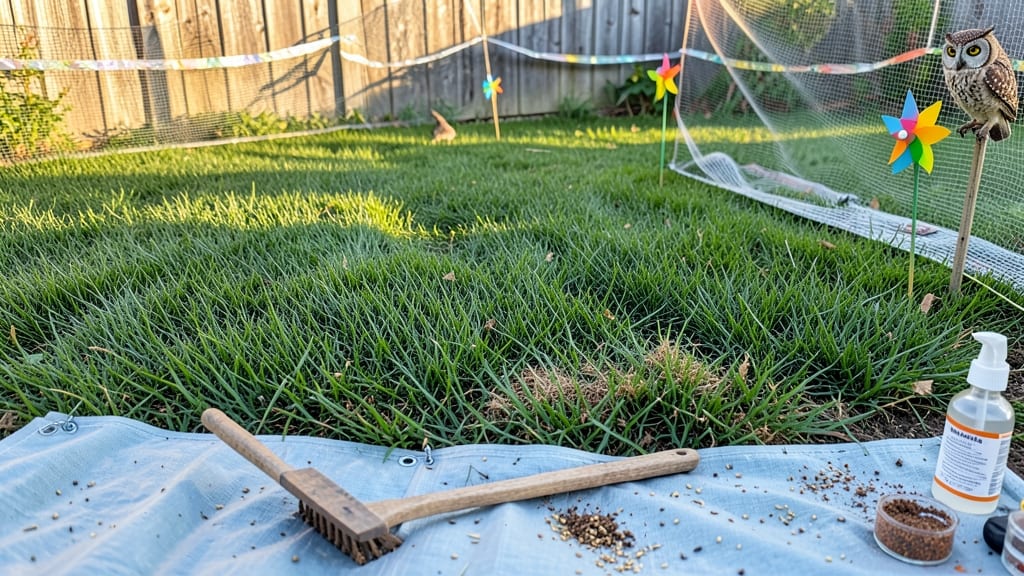
How to keep birds from eating your grass seeds before it grows? 🌱 I’ve seen entire lawns fail because of this—until I discovered these humane tricks that actually work. The key isn’t scaring them away (which often backfires) but making your space less appealing than their next meal. Most people grab those cheap plastic predators, but birds learn fast. Instead, try reflective tape on stakes, wind chimes near seed areas, or even decoy owls—but move them weekly so birds don’t wise up. Even a shallow dish of water nearby can distract them from your seeds. By combining these methods, you’ll see 50-70% fewer seed losses within days. The best part? These solutions keep birds safe while protecting your hard work. No more wasted seed packets or patchy lawns—just a thriving green space. Works for new lawns, repair patches, or even wildflower meadows. Let’s get those seeds growing instead of feeding the birds!
📚 In This Guide
- What you need
- Instructions
- Tips and common mistakes
- Wrapping up and next steps
What you need
- ● Bird netting: Lightweight, breathable mesh (e.g., 1/2-inch or 3/4-inch grid). Buy enough to cover the area—calculate 1.5x the seedbed size for overlap.
- ● Stakes or clips: Heavy-duty plastic or metal stakes (6–12 inches long) or zip ties to secure netting. Aim for 1 stake per 3–4 square feet.
- ● Reflective tape or old CDs: 1–2 rolls of tape or 50+ CDs (cut into strips) to create visual deterrents.
- ○ Hose with spray nozzle: For misting water (optional but effective for temporary scares).
- ● Mulch or straw: 2–3 bags (enough to cover the seedbed 1–2 inches thick).
- ● Motion-activated sprinkler: 1 unit (e.g., Orbit Enforcer) for automatic water bursts.
- ● Fake predators: Wind-resistant owl or hawk decoys (rotate placement weekly).
- ● Peppermint oil: 10–15 drops (mix with water for a spray—birds dislike the scent!).
- ● Dog or cat hair: Collect from a brush (birds avoid areas with predator smells).
- ● Radio or noise maker: A wind-up radio or predator call (play occasionally).
- ● Plant deterrents: Marigolds, daffodils, or allium (birds avoid their strong scents).
Tips & tricks for effective bird deterrents in new grass seedings
These practical strategies will help you maximize protection for your new lawn while keeping local wildlife safe and happy.
Barrier Installation: When securing the 1/4-inch mesh bird netting in Step 1, use extra landscape pins at each corner and along the edges of any slopes. I've found that adding a small brick or rock weight at each pin prevents wind from lifting the netting during spring storms—this is especially important if you're seeding in windy areas. The goal is to create an unbroken barrier that birds can't navigate around.
Sprinkler Placement Strategy: In Step 2, position your motion-activated sprinklers slightly uphill from common bird flight paths. This creates a more effective deterrent pattern as the spray will naturally flow toward the seeding area. For areas with heavy bird traffic, I recommend adding a second sprinkler at 15-foot intervals instead of the standard 10-foot spacing—just be sure to connect them to the same solar panel.
Visual Distraction Enhancement: For Step 3's visual deterrents, consider adding a slow-moving pinwheel to your CD or pie pan setup. The combination of flashing reflections and moving parts creates even more unpredictable patterns that confuse birds. I've noticed this works particularly well with blackbirds and grackles, which are drawn to shiny objects. Space these enhanced deterrents every 12 feet along property edges for maximum coverage.
Food Source Timing: When implementing Step 4's alternative food sources, place your bird feeders at dawn and dusk during the first week of seeding. These are peak feeding times for most bird species, and having an immediate alternative will reduce their motivation to forage in your seeding area. Remember to refresh the sunflower hearts every 2-3 days—they lose their appeal quickly once they start drying out.
Pro Tips for Keep Birds From Eating Grass Seeds
- These practical strategies will help you maximize protection for your new lawn while keeping local wildlife safe and happy.
- Barrier Installation: When securing the 1/4-inch mesh bird netting in Step 1, use extra landscape pins at each corner and along the edges of any slopes.
- Sprinkler Placement Strategy: In Step 2, position your motion-activated sprinklers slightly uphill from common bird flight paths.
Frequently asked questions
Got more questions about protecting your grass seeds from hungry birds? Here are some common ones—and their practical solutions!
What’s the best time of day to apply bird deterrents?
Apply deterrents early morning or late evening when birds are least active. This gives the repellent time to work before birds return to forage. Avoid midday when birds are most active and likely to peck at fresh seeds.
Will bird deterrents harm my grass or plants?
Most humane deterrents—like reflective tape, motion-activated sprinklers, or bird netting—are safe for grass and plants. Always check product labels for plant compatibility. Avoid chemical repellents unless labeled for lawn use.
How long do I need to keep deterrents in place?
Leave deterrents up until seeds fully germinate (usually 2–4 weeks). Birds may return if they spot exposed seeds, so remove deterrents gradually to monitor their behavior. If birds persist, extend protection for another week.
Are there natural alternatives to commercial repellents?
Yes! Try hot pepper spray (mix cayenne pepper + water), predator decoys (fake owls or hawks), or bird-friendly plants (like marigolds) to distract them. These are safe, cost-effective, and eco-friendly.
What if birds keep coming back after I’ve tried everything?
If birds ignore deterrents, block access with temporary fencing or netting. Try scare tactics like noise-makers or even a radio playing predator sounds. Consistency is key—birds learn quickly, so rotate methods if needed.
Still stumped? Contact a local wildlife expert for tailored advice!
Wrapping up and next steps
Keeping birds from feasting on your grass seeds doesn’t have to be a battle—just a few simple, humane tweaks can make all the difference! 🌱 From strategic planting to natural deterrents, you’ve got plenty of options to protect your lawn while keeping feathered friends happy elsewhere.
Start small, experiment with what works best for your space, and soon you’ll have a lush, bird-free lawn without any harm done.
Ready to take action? Pick one method from this guide and try it this weekend! Your lawn (and the birds) will thank you.