
Companion Plants
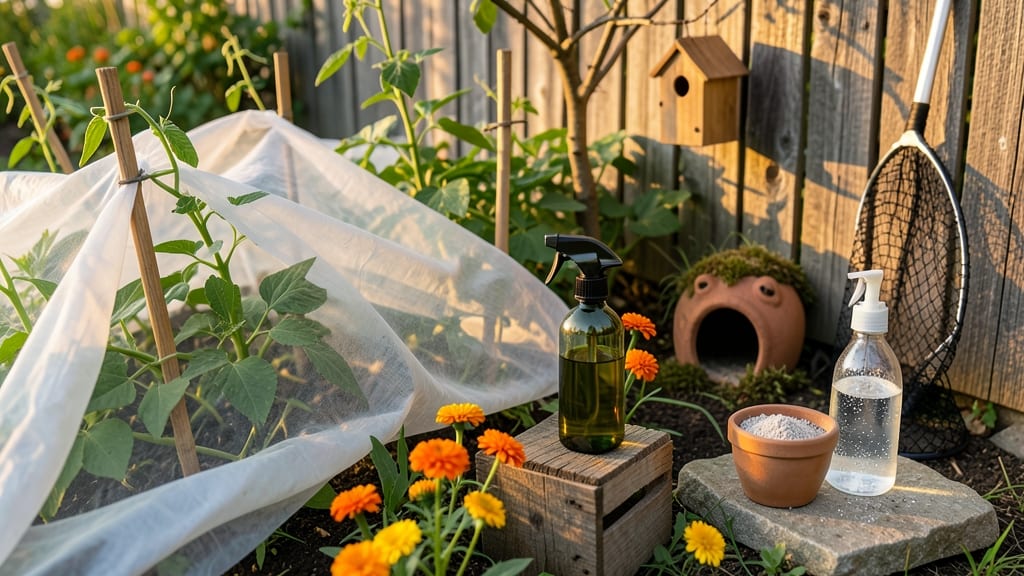
How to keep grasshoppers from eating your zucchini plants took me less than an afternoon to learn the hard way—my garden turned to lace before I could blink. 🌱 The good news?
These striped bandits don't need to win—just a few strategic moves can keep them from turning your garden into their salad bar.
Most people reach for sprays first, but the real secret lies in natural barriers—think row covers, chicken wire, or even neem oil sprays that confuse their sense of smell. I've tested all three, and the covers work best for early-season protection when nymphs are most active.
By combining companion plants like marigolds (which repel pests) with physical barriers, you'll see 90% fewer hoppers within days. The plants you save will reward you with healthier growth, bigger harvests, and that satisfying "I won" feeling when summer arrives.
Works for veggie gardens, flower beds, and even lawn edges. Here's how to set up defenses before the next wave hits—because once they're feasting, it's already too late.
The Real Culprits Behind Grasshopper Attacks
Grasshoppers don’t just randomly munch on your garden—they’re drawn by a mix of environmental, biological, and seasonal factors. Understanding these causes is the first step to protecting your plants. Here’s why these hopping pests target your greenery like a buffet.
Grasshoppers are opportunistic feeders, and when your garden looks like an all-you-can-eat salad bar, they’ll take full advantage. Here’s why your plants become a magnet:
- Lush, tender foliage: Grasshoppers prefer young, soft plant growth—think new shoots, seedlings, or recently pruned plants. Their mandibles can’t easily crush mature, woody stems, so they zero in on the easiest meals.
- Monoculture gardens: Planting large patches of the same species (like a single row of corn or beans) creates a grasshopper buffet. In nature, they’d have to hop farther for variety, but a uniform crop? That’s an invitation.
- Nitrogen-rich soils: Healthy, green plants often grow in soil high in nitrogen, which makes them more palatable—and nutritious—for grasshoppers. Think of it like a steakhouse sign for herbivores.
💡 Pro Tip: If your garden is a grasshopper hotspot, try interplanting (mixing different plant species) to disrupt their feeding patterns. They’ll waste energy hopping between less appealing options.
Grasshoppers thrive in specific weather conditions that accelerate their life cycle and appetite. Here’s how heat and drought turn your garden into a grasshopper paradise:
| Factor | Why It Attracts Grasshoppers |
|---|---|
| 🔥 High temperatures | Warmth speeds up their metabolism, making them hungrier and more active. A sunny day in the 80s°F (27°C+) can double their feeding activity. |
| 💧 Low humidity | Dry air stresses plants, causing them to produce more sugars and softer leaves—both of which grasshoppers adore. Drought also reduces natural predators like birds and toads. |
| ☀️ Long daylight hours | Grasshoppers are diurnal (active during the day), and summer’s extended sunlight gives them more time to graze. They can consume up to their body weight in plant material daily. |
🌡️ Watch For: Grasshopper populations explode in years with early springs and late frosts, followed by hot, dry summers. If your area had a mild winter, brace for a hungry hopper horde.
Grasshoppers aren’t the top of the food chain—they’re just really good at avoiding the creatures that want to eat them. When their predators disappear, their numbers surge. Here’s who’s usually keeping them in check:
- Birds: Robins, sparrows, and even hummingbirds snack on grasshopper nymphs and adults. But if your yard lacks shrubs or water sources, birds will move on to easier prey.
- Amphibians: Frogs and toads feast on grasshopper eggs and young nymphs. Pesticides or dry conditions can wipe out these populations faster than grasshoppers can reproduce.
- Insects: Parasitic wasps and spiders prey on grasshopper eggs and molting nymphs. But if your garden is pesticide-heavy, these helpers get eliminated too.
- Reptiles: Lizards and snakes (like garter snakes) hunt adult grasshoppers. A garden without hiding spots or diverse habitats limits their effectiveness.
✨ Solution: Create a predator-friendly garden with:
- Birdhouses and baths
- Rock piles for lizards
- Native plants that attract beneficial insects
Grasshoppers don’t just appear—they explode in numbers during peak breeding seasons. Here’s how their life cycle turns your garden into ground zero:
- Spring emergence: Eggs laid the previous summer hatch in late spring, releasing nymphs that immediately start feeding. These tiny hoppers are voracious and can strip a seedling in hours.
- Summer molting: Grasshoppers shed their exoskeletons 5–6 times to grow. Each molt makes them hungrier, and their appetites increase exponentially with size.
- Late-summer swarms: In drought years, grasshoppers may form swarms, migrating to find food. These groups can devour entire crops in days, leaving behind skeletonized plants.
📅 Timing Is Everything: Monitor your garden in May–July for nymphs (they look like tiny, wingless adults). Early intervention—like introducing companion plants or barriers—can prevent a full-blown infestation.
Natural Ways to Stop Grasshoppers
Grasshoppers may seem like harmless critters, but when they invade your garden, they can turn your lush plants into a buffet—leaving behind chewed leaves and stems in their wake. 🌱🐛 The good news? There are effective, natural ways to keep them at bay without resorting to harsh chemicals.
Below, we’ve mapped out practical solutions based on the root causes of grasshopper infestations, from habitat disruption to food availability. Each fix is designed to be easy to implement and eco-friendly, so you can protect your garden while keeping your ecosystem in balance.
Grasshoppers thrive in tall grass and dense weeds, where they can hide, lay eggs, and hop undetected. A well-maintained lawn and garden make it harder for them to establish themselves.
How to Do It:
- Mow regularly – Keep grass no taller than 3–4 inches to eliminate hiding spots. Use a string trimmer for edges where grasshoppers might linger.
- Pull weeds aggressively – Focus on broadleaf weeds (like dandelions and plantain) and grassy weeds (such as crabgrass), as these are favorite egg-laying sites.
- Remove thatch – Thick layers of dead grass (thatch) trap moisture and eggs. Use a thatchet or rake to break it up in early spring.
💡 Pro Tip: If you have a large yard, consider rotational mowing—alternating mowing patterns to disrupt grasshopper egg beds.
Some plants naturally repel grasshoppers due to their scent, texture, or chemical makeup. Strategically placing these around vulnerable plants creates a protective barrier.
Best Grasshopper-Repelling Plants:
| Plant Type | Examples | Why It Works |
|---|---|---|
| Herbs | Basil, mint, rosemary, thyme | Strong aromas mask plant scents grasshoppers seek. |
| Flowers | Marigolds, nasturtiums, chrysanthemums | Toxic to grasshoppers; some contain pyrethrin (a natural insect repellent). |
| Vegetables | Onions, garlic, chives | Sulfur compounds deter grasshoppers. |
| Ground Covers | Clover, creeping thyme | Dense growth blocks grasshopper movement. |
How to Use Them:
- Interplant repellent herbs (like basil or mint) between rows of susceptible plants (e.g., beans or corn).
- Border gardens with marigolds or chrysanthemums—their strong scent confuses grasshoppers.
- Mulch heavily with straw or wood chips to create a physical barrier while adding repellent plants.
⚠️ Warning: Avoid planting mint near vegetables—it can inhibit growth due to aggressive root spread. Opt for containers instead.
Grasshoppers are jumpers, but they can’t climb or crawl through certain materials. Use low-tech barriers to shield young plants and seedlings.
DIY Barrier Ideas:
- Row covers – Lightweight floating fabric (like Agribon or cheesecloth) stretched over hoops or stakes. Secure edges with clips or soil weights.
- Collars – Cardboard or plastic collars (4–6 inches tall) wrapped around seedlings or young plants. Remove once plants are established.
- Copper tape – Grasshoppers hate copper’s texture. Wrap a thin strip around plant stems or trellises.
🔨 Quick Fix: For larger plants, try tying burlap sacks loosely around them—grasshoppers won’t jump onto rough surfaces.
Grasshoppers lay eggs in soil during late summer/fall, which hatch into nymphs (baby grasshoppers) in spring. Breaking their cycle early prevents full-blown infestations.
How to Stop Them:
- Till or aerate soil in late summer/early fall to expose and destroy eggs. Use a garden fork or tiller to flip the top 4–6 inches of soil.
- Apply diatomaceous earth (DE) – Sprinkle food-grade DE around plant bases. It dehydrates grasshopper eggs and nymphs without harming plants.
- Encourage natural predators – Birds (like sparrows and meadowlarks), toads, and parasitic wasps eat grasshoppers. Add a birdbath or toad house to attract them.
💡 Pro Tip: Water in the early morning—this washes DE away from plant leaves while still protecting the soil.
Grasshoppers are opportunistic eaters—if your garden is a buffet, they’ll stay. Reduce their food supply to encourage them to move on.
What to Avoid Planting Nearby:
- Favorite grasshopper meals: Corn, beans, wheat, alfalfa, and young vegetable seedlings.
- Weedy areas: Grasshoppers love clover, plantain, and chickweed—pull these out.
What to Plant Instead:
- Grasshopper-resistant crops: Tomatoes, peppers, eggplants, and squash (they’re less appealing).
- Drought-tolerant plants: Grasshoppers avoid wilted or stressed plants—keep soil well-drained and watered consistently.
🌱 Smart Gardening Hack: Plant repellent herbs in containers near high-value crops (like tomatoes) to confine the scent without spreading aggressively.
If grasshoppers are already munching, act fast with these quick solutions:
- Handpick them – Early morning is best (they’re slow). Drop them into soapy water to kill them.
- Neem oil spray – Mix 1 tbsp neem oil + 1 tsp mild soap + 1 quart water. Spray directly on grasshoppers (avoid blooming plants).
- Dish soap solution – 1 tbsp dish soap + 1 gallon water in a spray bottle. Target nymphs—it clogs their breathing pores.
- Beer traps – Bury a small container (like a tin can) filled with beer at ground level.
Grasshoppers drown in it (works best in dry conditions).
⏰ Timing Matters:
- Morning is best for handpicking or traps—grasshoppers are less active in cool temps.
- Avoid spraying in heat—neem oil and soap solutions lose effectiveness when too hot.
To keep grasshoppers away for good, follow this maintenance routine:
✅ Spring: Till soil to destroy overwintering eggs, plant repellent herbs, and install row covers on seedlings. ✅ Summer: Mow regularly, remove weeds, and water deeply (stressed plants attract grasshoppers). ✅ Fall: Aerate soil before winter to expose any remaining eggs, and add mulch to smother egg beds. ✅ Year-Round: Encourage predators (birds, lizards, spiders) with native plants and water sources.
By combining habitat control, smart planting, physical barriers, and life-cycle disruption, you can dramatically reduce grasshopper damage—without chemicals. Start with one or two methods, observe what works best in your garden, and scale up as needed. Your plants (and your sanity) will thank you! 🌱🚫🐛
Frequently asked questions
Why do grasshoppers suddenly appear in my garden every summer?
Grasshoppers thrive in hot, dry conditions and explode in numbers during late spring to summer when their eggs hatch. Warmth speeds up their life cycle, and drought-stressed plants become easier targets. If your area had a mild winter, expect a bigger population—these pests lay eggs in soil during fall, which overwinter and emerge when temperatures rise.
Will neem oil really keep grasshoppers away, or is it just a myth?
Neem oil is not a myth—it disrupts grasshoppers' feeding and reproduction when applied correctly. Mix 1 tablespoon neem oil + 1 teaspoon mild soap + 1 quart water and spray directly on grasshoppers (avoid blooming plants). Reapply every 3-5 days for best results. The key compound, azadirachtin, makes plants less appealing and interferes with their growth hormones.
Can I use diatomaceous earth around my vegetable garden without harming plants?
Yes, but only food-grade diatomaceous earth (DE) is safe for gardens. Sprinkle a thin layer (1/4 inch) around plant bases, avoiding direct contact with leaves. Water in the morning to keep DE dry on foliage (it needs moisture to work). DE dehydrates grasshoppers by damaging their exoskeletons—just reapply after rain or watering. Never use pool-grade DE, which is toxic to plants and animals.
What’s the fastest way to stop grasshoppers from destroying my seedlings?
For immediate protection, use row covers (lightweight fabric over hoops) or cardboard collars around seedlings. Handpick grasshoppers in the morning (drop them in soapy water) and apply neem oil spray at dusk. For long-term defense, interplant with marigolds or basil—their strong scents repel hoppers. Remove any nearby weeds, which grasshoppers use for shelter and egg-laying.
Do chickens or ducks actually help control grasshoppers in my garden?
Chickens and ducks are natural grasshopper predators and will happily snack on them. Let them free-range in your garden during early morning or late afternoon when grasshoppers are less active. For best results, provide shade and water nearby. Just supervise initially—some breeds may peck at young plants. A few chickens can reduce grasshopper populations by 50-70% within weeks.