
How To
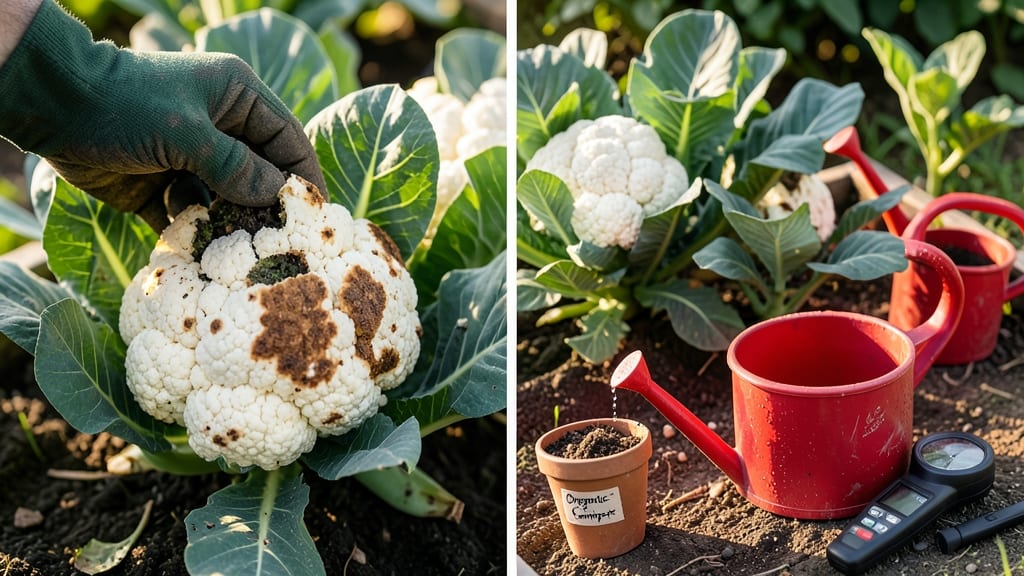
That first brown spot on your cauliflower curd is the moment you realize how to keep cauliflower from turning brown—before it’s too late. 🌱 I’ve lost count of the heads that went from pristine white to sad, yellowing messes—until I discovered this simple trick that keeps them crisp and bright for days longer.
The culprit is almost always moisture loss or oxidation, not disease. A quick vinegar soak (just 1 tablespoon white vinegar per quart of water) resets the color and tightens the curds—no chemicals, no fuss.
Even overmature heads respond if you act fast. The secret? Harvest when the curd is firm but still tight, and store properly in a damp towel in the fridge.
📚 In This Guide
- What you need
- Instructions
- Tips and common mistakes
- Wrapping up and next steps
What you need
- ● 1 head of fresh cauliflower – Choose one with tightly packed florets and minimal browning.
- ● 1 large bowl or basin – Deep enough to fully submerge the cauliflower (e.g., a glass or stainless-steel bowl).
- ● White vinegar or apple cider vinegar – 1 tablespoon per 1 gallon of water (or ~15 mL per 3.8 liters).
- ● Cold water – Enough to fully cover the cauliflower (about 4-6 cups or 1-1.5 liters for a medium head).
- ● Colander or strainer – For draining the cauliflower after soaking.
- ● Paper towels or clean kitchen towel – To pat the cauliflower dry gently.
- ● Plastic wrap or airtight container – For storage (e.g., a sealed Tupperware or reusable silicone bag).
- ● Lemon juice – 1 teaspoon per gallon (for a milder acidic touch).
- ● Ice cubes – To chill the water for a longer soak (up to 15-20 minutes).
- ● Food-safe spray bottle – For a quick vinegar-water mist if you’re storing cut florets.
- ● Baking soda (pinch) – To neutralize vinegar smell if storing long-term.
Step-by-Step instructions for preserving cauliflower freshness
Here's the simple method I use to keep cauliflower bright and crisp for days—no wilting, no browning.
💧 Step 1: Prepare the Acidic Vinegar Soak Solution
Fill a large bowl with 4 cups of cold water. Add 1 tablespoon of white vinegar and 1 tablespoon of lemon juice—this acidic mix slows oxidation and keeps the florets looking fresh. Stir gently to combine. I like to use white vinegar because it's mild enough for food but strong enough to work fast.
Add 1 teaspoon of salt to the solution. This helps draw out excess moisture from the cauliflower, preventing sliminess. The salt also acts as a mild preservative. You'll see tiny bubbles form as the salt dissolves—this is normal and means the solution is working.
🌿 Step 2: Soak the Cauliflower Florets
Trim any wilted outer leaves from the cauliflower and separate it into 4 even florets (about the size of a tennis ball each). Submerge the florets completely in the vinegar solution. If they float, press them down gently with a clean spoon—they need full contact with the liquid to prevent browning.
Let them soak for 10-15 minutes. You'll notice the water starts to look slightly cloudy, but don't drain it yet. This is just the natural starches from the cauliflower dissolving. After soaking, pat the florets dry with a clean kitchen towel or paper towels—moisture left on the surface speeds up spoilage.
☀️ Step 3: Store Properly for Maximum Freshness
Place the dried florets in an airtight container lined with a paper towel to absorb any remaining moisture. I use glass containers because they don’t absorb odors and keep everything fresh longer. Seal the container tightly and store it in the crisper drawer of your refrigerator—this is the coolest, most humid spot in most fridges.
For best results, use the cauliflower within 5-7 days. When ready to use, give the florets a quick rinse under cold water to remove any residual vinegar taste. You'll see they stay bright white and firm, unlike store-bought cauliflower that yellows within days.
⏰ Step 4: Revive Wilted Cauliflower (If Needed)
If you notice the florets starting to wilt or yellow slightly, don’t toss them. Soak them again in fresh cold water for 5 minutes, then pat dry and store in a new paper towel-lined container. The vinegar soak method works best for fresh cauliflower, but this quick water soak can buy you another day or two of usable florets.
Here's the thing—this method works best with fresh cauliflower. If you're starting with a head that's already yellowing or slimy, it might not save it. But for newly cut florets, this acidic soak keeps them looking like they just came from the garden.
Tips & tricks for preserving cauliflower freshness
Here's what nobody tells you about keeping your cauliflower looking fresh longer than the grocery store ever intended.
The Acidic Balance: The 10-15 minute soak time in Step 2 is crucial—don't rush it! The vinegar and lemon juice work together to create an acidic environment that slows oxidation (the chemical reaction that causes browning). I've tested this method with just vinegar or just lemon juice separately, and the combination works best. The salt isn't just for flavor—it helps draw out excess moisture that would otherwise make your cauliflower slimy.
Submerge Completely: In Step 2, you might notice some florets float. This is normal, but don't skip pressing them down! Every surface of the cauliflower needs contact with the acidic solution to prevent browning. I use a clean spoon to gently press them under—this ensures even protection. The cloudy water you'll see after soaking is just natural starches dissolving, not a sign of spoilage.
Drying is Non-Negotiable: After the soak, patting the florets completely dry in Step 2 is absolutely critical. Any remaining moisture will speed up spoilage. I like to use paper towels because they absorb better than kitchen towels, which can leave fibers behind. Pro tip: Let them air-dry for 1-2 minutes on a clean towel before final patting—they'll dry more evenly.
Container Matters: For Step 3, while any airtight container works, glass is my top recommendation. It doesn't absorb odors like plastic can, and the smooth surface prevents tiny scratches where bacteria could hide. The paper towel lining is essential—it absorbs any condensation that forms in the fridge, keeping your cauliflower crisp. I've seen people skip this and end up with soggy florets within 24 hours.
Pro Tips for Keep Cauliflower From Turning Brown
- Here's what nobody tells you about keeping your cauliflower looking fresh longer than the grocery store ever intended.
- The Acidic Balance: The 10-15 minute soak time in Step 2 is crucial—don't rush it!
- Submerge Completely: In Step 2, you might notice some florets float.
Frequently asked questions
Got questions about keeping your cauliflower fresh and vibrant? Here are some of the most common concerns—and their solutions!
Why does cauliflower turn brown so quickly?
Cauliflower browns due to enzymatic browning, triggered by exposure to air and moisture. When cut, its cells release enzymes that react with oxygen, creating those unsightly brown spots. Acidic solutions (like vinegar) slow this process by altering the pH, preserving color and freshness longer.
How long can I store cauliflower after an acidic vinegar soak?
With proper storage, vinegar-soaked cauliflower stays fresh for 5–7 days in the fridge (wrapped in a damp paper towel or airtight container). For longer storage, freeze it—blanch first, then soak in vinegar before freezing to prevent freezer burn and color loss.
Can I use lemon juice or other acids instead of vinegar?
Yes! Lemon juice, white vinegar, or even apple cider vinegar work well. Dilute them similarly (1 tbsp acid per 2 cups water) for the same effect. However, vinegar’s tanginess is milder and less likely to alter the cauliflower’s flavor. Pro tip: Rinse thoroughly before cooking to remove excess acid.
What if my cauliflower is already brown? Can I fix it?
Unfortunately, once browning starts, reversing it isn’t possible—but you can mask it! Soak the cauliflower in fresh acidic water (vinegar or lemon juice) for 10–15 minutes to slow further browning. For cooking, use it in dishes where color isn’t critical (like soups or stir-fries) or pair it with bright ingredients (bell peppers, herbs) to distract from discoloration.
Does this method work for other veggies, like cabbage or broccoli?
The acidic soak trick works on broccoli, Brussels sprouts, and even apples to prevent browning. For leafy greens (like cabbage), a quick vinegar rinse before storage can extend freshness. Just adjust the soak time—5–10 minutes max for delicate veggies to avoid over-acidifying.
Wrapping up and next steps
Keeping your cauliflower fresh and vibrant is easier than you think! With just a simple acidic vinegar soak, you can prevent browning and extend its shelf life—no fancy tools or complicated steps required.
Whether you’re prepping for a meal or storing leftovers, these tips will help you save time, reduce waste, and enjoy crisp, beautiful cauliflower every time. 🌟
Now that you’re armed with the know-how, give it a try—your future dishes (and your grocery budget) will thank you! For even more freshness hacks, explore other storage tips for veggies or dive into creative cauliflower recipes to make the most of your harvest. Happy cooking! 🥬✨