
Blooming
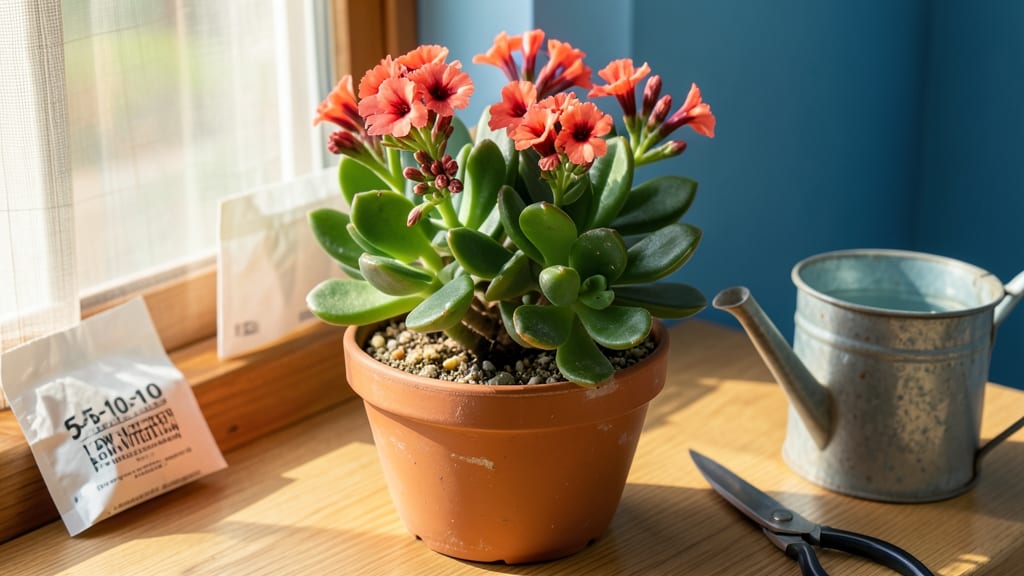
How to keep your kalanchoe blooming used to be a mystery—then one winter, mine just gave up. 💚 The secret isn’t complicated: these plants need three non-negotiable rules to keep producing those cheerful clusters of flowers. Most people mess up one of these, and suddenly, you’re left with lush green leaves and zero blooms.
First, light—not the dim corner you probably have it in. Kalanchoe craves bright, indirect sunlight (think south-facing window or grow lights). Second, watering: soak the soil, then let it dry out completely before watering again.
Third, dormancy: mimic winter’s shorter days by giving it 6 weeks of 12-hour days (cover with a box or move to a shadier spot). Skip any of these, and your plant throws a tantrum by dropping buds.
Once you nail these, you’ll get year-round blooms—no more sad, leafy stalks. The flowers stay vibrant longer, and new buds form reliably. My plant now blooms in February, when most houseplants are still sulking.
The key is consistency: don’t let the soil stay soggy, don’t skimp on light, and never let it sit in drafts.
Here’s the kicker: these tricks work for any variety, from the classic Kalanchoe blossfeldiana to the weirdly shaped Kalanchoe daigremontiana. Start with one plant, and once you see results, you’ll want to collect more. Trust me—your neighbors will be asking for cuttings by summer.
📚 In This Guide
- What you need
- Instructions
- Tips and common mistakes
- Wrapping up and next steps
What you need
- ● Kalanchoe plant – Choose a healthy variety (e.g., Kalanchoe blossfeldiana for classic blooms).
- ● Well-draining potting mix – A blend of cactus/succulent soil (60%) + perlite or pumice (40%) to prevent root rot. Quantity: Enough to fill the pot (1–2 gallons for mature plants).
- ● Pot with drainage holes – Terracotta or ceramic (4–6 inches in diameter for small plants; 8+ inches for larger ones).
- ● Balanced liquid fertilizer – 20-20-20 NPK or a bloom-specific formula (e.g., Miracle-Gro Bloom Booster). Quantity: ½ tsp per gallon of water.
- ● Watering can with a narrow spout – For precise hydration (avoid overhead watering!).
- ● Pruning shears or clean scissors – Sharp and sterilized (rubbing alcohol wipe works!).
- ○ Grow lights (optional but helpful) – LED full-spectrum bulbs (12–14 hours/day in winter) or a sun lamp for low-light spots.
- ● Bright, indirect light – A south- or east-facing window (6+ hours of sunlight daily). No window? Supplement with grow lights.
- ● Temperature control – Keep between 60–75°F (15–24°C). Avoid drafts or sudden temperature swings.
- ● Patience for dormancy – Your plant needs 12–14 hours of darkness daily for 4–6 weeks to trigger blooming (yes, even indoors!).
- ● Consistency – Stick to a watering and feeding schedule—no guesswork!
Step-by-Step instructions for year-round Kalanchoe blooms
Here's the foolproof routine I've used to keep my Kalanchoe flowering like clockwork—no black magic, just science and timing.
🌿 Step 1: Master the Light Cycle for Flowering
Kalanchoe blooms only when it gets 12+ hours of darkness continuously for 6-8 weeks. This mimics winter conditions, triggering buds. Place your plant in a completely dark closet or cover it with a black plastic bag secured with a rubber band for 14 hours daily—start this routine in early fall for spring blooms or late winter for summer flowers.
I use a small closet with a light-tight door, but a dark cabinet works too. Just make sure no light sneaks in—even a tiny glow from under the door will stop flowering. After the 14-hour dark period, return the plant to bright, indirect light for the remaining 10 hours. You'll see buds form within 4-6 weeks of consistent darkness.
⏰ Step 2: Adjust Watering for Blooming Success
Once buds appear, reduce watering dramatically. Let the top 2-3 inches of soil dry completely between waterings—overwatering causes buds to drop. I check moisture by sticking my finger in the soil: if it feels dry past my first knuckle, it's time to water. Use room-temperature water and water only when the pot feels light.
During the 6-8 week dark treatment, keep soil on the drier side but not bone-dry. Wilting leaves signal you've gone too far—revive by placing the pot in 2 inches of water for 10 minutes to let roots rehydrate. Never let the plant sit in standing water, even briefly.
☀️ Step 3: Provide Optimal Light and Temperature
After the dark treatment, move your Kalanchoe to a spot with bright, indirect light—east or west windows work best. South-facing windows can work, but filter the light with a sheer curtain to prevent leaf scorch. You'll know the light is right when new growth appears compact and dark green, not stretched and pale.
Maintain temperatures between 60-75°F during the day and no lower than 55°F at night. Drafts from windows or doors will cause buds to drop. If your home runs cooler, supplement with a small grow light for 4-6 hours daily to keep leaves vibrant. Avoid fertilizing during flowering—wait until buds fade completely before resuming feedings.
✂️ Step 4: Deadhead and Prune for Next Season
When flowers fade, snip spent blooms back to the first set of healthy leaves using clean, sharp scissors. This redirects energy to new growth. I also pinch back leggy stems to encourage bushier growth—just trim above a leaf node where new branches will form. Never cut more than 1/3 of the plant's height at once.
After deadheading, resume normal care but hold off on fertilizing until you see 2-3 inches of new growth. This ensures the plant stores energy for next year's blooms. Rotate the pot a quarter turn weekly so the plant grows evenly toward the light, not lopsided.
Tips & tricks for perfect year-round Kalanchoe blooms
Keeping your Kalanchoe in constant bloom takes a few strategic tweaks that make all the difference. These insights will help you troubleshoot common pitfalls and maximize your plant's flowering potential.
Darkness Timing Secret: For the 14-hour daily darkness requirement in Step 1, consistency is everything. I recommend using a timer to track the exact 14-hour period—even a 15-minute deviation can disrupt bud formation. Place your plant in the dark space at the same time each day, like 8 PM, so it becomes a predictable routine. If you're using a black plastic bag, secure it tightly with rubber bands and double-check for light leaks—even a tiny gap can prevent flowering.
Watering Precision: In Step 2, the "dry past my first knuckle" test is your best friend, but don't rely solely on feel. Weigh your pot before and after watering to track moisture patterns—most Kalanchoes need water every 7-10 days during the dark treatment. Overwatering is the #1 cause of bud drop, so if your soil feels damp at the knuckle test, wait one more day. For the 10-minute revival soak, use room-temperature water only—cold water shocks the roots.
Light Quality Matters: When moving your Kalanchoe to bright indirect light in Step 3, east-facing windows are ideal because they provide gentle morning sunlight without the harsh afternoon rays. If you must use a south window, place a sheer curtain between the plant and glass to diffuse light—direct sun creates leaf scorch within days. For grow lights, LED bulbs with a full spectrum (including red and blue wavelengths) work best for 4-6 hours daily.
Pruning Strategy: When deadheading in Step 4, always use clean, sharp scissors to make precise cuts just above a leaf node. This encourages bushier growth by redirecting energy to lateral stems. For leggy plants, pinch back stems to the third leaf from the top—this triggers branching at the node below. Rotate your pot weekly to prevent lopsided growth toward light sources, which weakens the plant's structure over time.
Pro Tips for Keep Kalanchoe Blooming
- Keeping your Kalanchoe in constant bloom takes a few strategic tweaks that make all the difference.
- Darkness Timing Secret: For the 14-hour daily darkness requirement in Step 1, consistency is everything.
- Watering Precision: In Step 2, the "dry past my first knuckle" test is your best friend, but don't rely solely on feel.
Frequently asked questions
Got questions about keeping your Kalanchoe in full bloom? You’re not alone! Here are answers to the most common concerns—because every plant parent deserves a thriving, colorful companion.
Why isn’t my Kalanchoe blooming after I gave it 6 weeks of darkness?
If your plant isn’t blooming, double-check the darkness trick: total darkness (no peeking!) for 12–14 hours daily is key. Also, ensure it’s getting bright light afterward—no dim corners! Overwatering or cold drafts can also stall blooms. Try adjusting these first.
How often should I fertilize my Kalanchoe to encourage blooms?
Feed your Kalanchoe lightly every 4–6 weeks during spring/summer with a balanced, water-soluble fertilizer (diluted to half-strength). Skip fertilizer in fall/winter—it’s dormancy time! Over-fertilizing burns roots and stresses the plant, so less is more. Pro tip: Use a bloom booster in early spring to kickstart flowering.
Can I use tap water for my Kalanchoe, or should I stick to distilled?
Tap water is usually fine, but if it’s hard (high in minerals) or chlorinated, opt for filtered or distilled water to avoid leaf tip burn. Let tap water sit out for 24 hours if possible to release chlorine. Bottom line: If your Kalanchoe’s leaves look crispy or yellow, switch to softer water and reduce watering slightly.
My Kalanchoe’s buds dropped off—what did I do wrong?
Bud drop is often caused by stress: sudden temperature swings, overwatering, or drafts. Kalanchoes thrive in 60–75°F (15–24°C) and hate soggy soil. If this happens, adjust care immediately—keep it in a stable spot, water only when the top inch of soil is dry, and avoid fertilizing until new growth appears.
Are there any Kalanchoe varieties that bloom easier than others?
Yes! Kalanchoe blossfeldiana (the most common) and Kalanchoe thyrsiflora (paddle plant) are the easiest for beginners. For longer blooms, try Kalanchoe ‘Calandiva’—it’s a hybrid with stunning, orchid-like flowers. Just remember: all Kalanchoes need the same darkness-light cycle to rebloom!
Wrapping up and next steps
Keeping your Kalanchoe blooming year-round is easier than you think—just master light control, strategic pruning, and seasonal care! With the right balance of 12-14 hours of darkness, proper pruning after blooms, and adjustments for winter dormancy, you’ll enjoy vibrant flowers without the guesswork. 🌸
Ready to transform your plant parent game? Start by auditing your Kalanchoe’s current care routine—then tweak just one trick at a time. Before you know it, your home will be bursting with color, confidence, and blooms! 💪