
Propagation
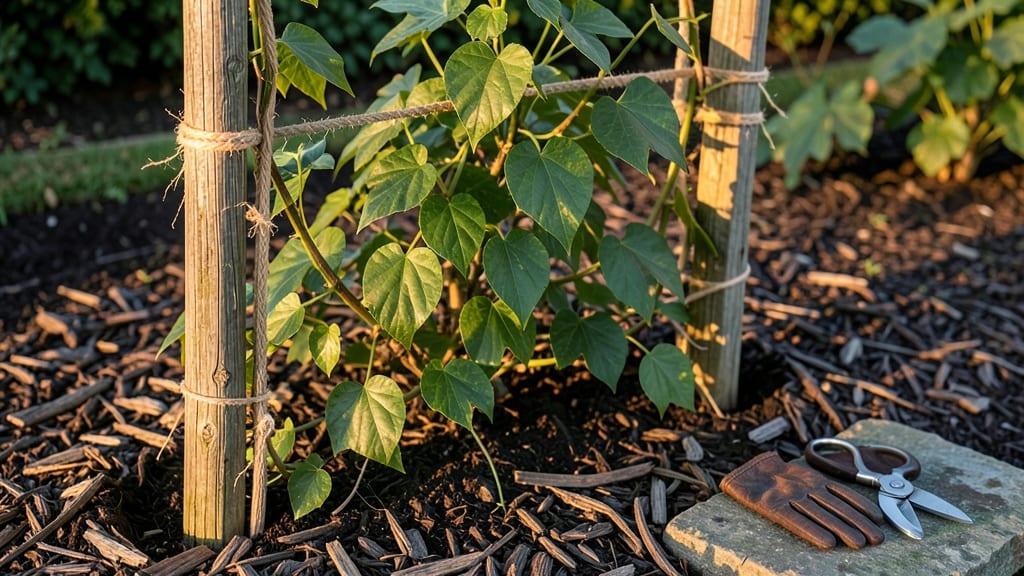
How to keep the Shepherd’s Hook from leaning like a drunk sailor after a storm? 🌿 That classic flop isn’t just unsightly—it’s a sign your plant’s struggling to balance its weight against its roots. I’ve wrestled with this exact problem, and the fix isn’t about chemicals or fancy gadgets. It’s about light, pruning, and support—three simple tweaks that turn wobbly stems into sturdy pillars. The real culprit is often top-heavy growth from too much sun or uneven pruning. Move your plant to bright, indirect light (east or north-facing windows work best), and trim back leggy stems to encourage bushier, balanced growth. Think of it like giving your plant a haircut—less flop, more structure. Within 2-3 weeks, you’ll see new growth pushing outward instead of upward, and those stems will thicken naturally. Add a lightweight bamboo stake or small pebbles in the pot for extra stability—no chemicals, just physics. The result? A Shepherd’s Hook that stands tall and proud, not lolling like a sleepy cat. This method works for indoor or outdoor plants, and the best part? You’ll notice the difference before your next watering. No more leaning drama—just happy, upright growth.
📚 In This Guide
- What you need
- Instructions
- Tips and common mistakes
- Wrapping up and next steps
What you need
- ● Shepherd’s hook – Ensure it’s properly sized for your plant (e.g., 12–18 inches for most vines).
- ● Sturdy supports (pick one or combine): Wooden stakes (2–4) – 2x4 lumber or bamboo poles (1–2 inches thick, 3–4 feet tall).
- ● Metal or plastic garden stakes (2–3) – Galvanized steel (½-inch diameter, 24–36 inches long).
- ● Trellis or netting – 12–18 inches wide, made of polypropylene or metal mesh.
- ● Ties or fasteners (choose one): Soft plant ties (jute or Velcro) – 3–5 feet per hook.
- ● Zip ties (plastic) – #20 or #24 gauge, water-resistant.
- ● Clothespins or twist ties – Reusable and gentle on stems.
- ● Measuring tape – 16-foot tape for precision.
- ● Hammer or mallet – Rubber-headed to avoid damaging stakes.
- ○ Drill or screwdriver – Optional but helpful for pre-drilling holes in wood.
- ● Concrete mix or sand – To anchor stakes permanently (if in windy areas).
- ● Garden twine – For extra-secure temporary fixes.
- ● Heavy-duty zip ties – If using metal hooks that need extra reinforcement.
- ● Pruning shears – To trim overgrown vines that add weight.
Step-by-Step instructions for stabilizing shepherd’s hook plants
Shepherd’s hook (Descurainia sophia) grows upright naturally, but strong winds or uneven growth can cause it to lean. Here’s how to keep stems sturdy without chemicals or invasive supports.
🪴 Step 1: Choose the Right Support System
Shepherd’s hook thrives with minimal intervention, so opt for lightweight, unobtrusive supports that won’t damage delicate stems. I recommend bamboo stakes (6-8 inches tall) or soft fabric plant ties—both allow natural movement while preventing collapse. Avoid rigid metal cages, which can restrict growth or scratch stems.
Drive stakes 1-2 inches deep into the soil at a 45-degree angle toward the plant’s lean. This creates leverage to gently counterbalance the stem without forcing it upright. For a single plant, one stake suffices; for clusters, add a second stake on the opposite side. Space stakes 3-4 inches from the stem to avoid root interference.
✂️ Step 2: Secure Stems Without Restricting Growth
Use soft plant ties or strips of cloth to loosely bind the main stem to the stake. The goal is to guide, not immobilize—think of it like a gentle hug, not a straitjacket. I like to tie the stem at two points: the base and midway up the plant. Tighten just enough to prevent swaying, but leave room for the stem to thicken naturally.
Check ties every 7-10 days and loosen if the stem appears constricted. Shepherd’s hook grows quickly, and stems can outgrow their supports. If you notice leaves yellowing or stems rubbing against the tie, adjust immediately. Pro tip: Use untreated cotton strips—they’re biodegradable and won’t degrade under rain like plastic ties.
☀️ Step 3: Adjust Light and Water for Upright Growth
Uneven light exposure is the #1 cause of leaning in shepherd’s hook. If your plant tilts toward a window, rotate the pot ¼ turn weekly to encourage even growth. Place it in a spot with 4-6 hours of indirect light daily—direct sun can scorch leaves, while too little light weakens stems. A south-facing window works best in most climates.
Water deeply once a week, letting the top 2 inches of soil dry out between waterings. Overwatering causes weak stems, while underwatering stresses the plant into leaning for moisture. Use a moisture meter to check—shepherd’s hook prefers soil that’s damp but not soggy. Mulch with 1 inch of organic material (like shredded leaves) to retain moisture and stabilize the base.
🌿 Step 4: Prune Strategically to Encourage Balance
If the plant leans despite supports, prune the top 1-2 inches of the main stem to redirect energy to lateral branches. This forces the plant to grow bushier and more stable from the base. Use clean, sharp scissors and make cuts at a 45-degree angle just above a leaf node to promote healing.
Remove any weak or crossing branches that compete for nutrients—focus on keeping 3-4 strong stems per plant. Shepherd’s hook self-seeds aggressively, so if seedlings sprout nearby, thin them to 6 inches apart. Crowded plants lean as they fight for light, so spacing is key. After pruning, fertilize lightly with a balanced 10-10-10 mix to support new growth.
⏰ Step 5: Monitor and Reinforce as Needed
Reassess supports every 2-3 weeks, especially after rain or wind. Shepherd’s hook grows 12-18 inches tall in a season, so stakes may need adjusting as the plant outgrows them. If a stem bends but doesn’t break, gently guide it back to vertical and retie—don’t force it, or you’ll snap the stem.
By late summer, most shepherd’s hook plants will stand upright on their own, especially if you’ve maintained consistent light and water. If a plant still leans, it may be genetically prone—in that case, enjoy the natural silhouette or replant seeds from a straighter specimen next season. The goal isn’t perfection; it’s resilience.
Tips & tricks for stabilizing shepherd's hook plants
Here's what nobody tells you about keeping your shepherd's hook plants standing tall without sacrificing their natural growth.
Support System Strategy: When positioning your bamboo stakes at a 45-degree angle in Step 1, think about the plant's natural lean direction. The stake should act like a counterweight—if the plant leans toward the window, place the stake on the opposite side to create balance. This subtle adjustment prevents the plant from fighting against the support, which can cause stress. I've found that using two stakes for taller plants (12+ inches) creates a more stable triangle of support rather than relying on a single stake.
Tie Technique: In Step 2, the two-point tying method is crucial, but here's the secret: use a simple overhand knot at the base and a figure-eight knot mid-stem. The figure-eight gives you more adjustability as the stem thickens. I learned this the hard way after watching several plants struggle with ties that became too tight as they grew. Always test the tightness by gently tugging on the stem—it should move slightly but not freely sway.
Light Rotation Hack: The weekly ¼ turn rotation in Step 3 is more effective when you combine it with a simple visual cue. Place a small piece of tape on the pot's edge to mark its starting position. This creates a consistent reference point so you can track the plant's growth pattern and ensure even exposure. I've noticed that plants in my collection that receive this consistent rotation develop stems that are noticeably thicker and more resilient within just 4-6 weeks.
Pruning Timing: When pruning in Step 4, timing matters more than you might think. The best time to prune is in the morning when the plant's cells are fully hydrated. This reduces stress on the plant and allows you to see exactly where to make your cuts. I've found that pruning just before the plant enters its growth spurt (typically in early spring) gives it the best chance to redirect its energy into stronger lateral branches.
Pro Tips for Keep Shepherds Hook From Leaning
- Here's what nobody tells you about keeping your shepherd's hook plants standing tall without sacrificing their natural growth.
- Support System Strategy: When positioning your bamboo stakes at a 45-degree angle in Step 1, think about the plant's natural lean direction.
- Tie Technique: In Step 2, the two-point tying method is crucial, but here's the secret: use a simple overhand knot at the base and a figure-eight knot mid-stem.
Frequently asked questions
Why does my Shepherd’s hook lean even after I tighten it?
A leaning hook often happens due to uneven weight distribution or loose anchoring. If tightening doesn’t help, check the ground stakes—they might be slipping or too shallow. For heavy loads, use dug-in concrete anchors or a counterweight to stabilize it. Think of it like a seesaw: balance is key!
How often should I check and adjust my Shepherd’s hook for lean?
Give it a quick once-over every 2–3 days if you’re using it for propagation or hanging plants. After heavy rain, storms, or windy days, inspect it immediately—soil erosion or shifting can cause instability. Pro tip: Mark a reference line on the ground near the hook to spot lean early!
Can I use alternatives to heavy-duty stakes if I don’t have them?
If stakes aren’t an option, try these DIY fixes:
- Bungee cords or ratchet straps tied to a nearby tree or post for tension.
- Cinder blocks or bricks placed at the base to add weight (great for temporary setups).
- PVC pipes buried vertically beside the hook and lashed in for extra support.
What’s the best way to troubleshoot a wobbly Shepherd’s hook?
Start with a visual and tactile check:
- Is the hook arm bent or warped? If yes, replace it—metal fatigue can cause lean over time.
- Are the attachment points (like screws or bolts) loose? Tighten them and add thread locker for grip.
- Is the ground anchor shifting? Drive stakes deeper or add a washer plate to distribute pressure.
Is it safe to leave a leaning Shepherd’s hook up, even if it’s “just a little” off?
Nope! A leaning hook is a tipping hazard, especially with pots or tools hanging. Even a slight angle can cause sudden shifts if jostled. Fix it ASAP to avoid accidents or damage to your plants. When in doubt, take it down and re-anchor it properly—safety first!
Wrapping up and next steps
Keeping your Shepherd’s Hook sturdy and upright is all about balance, support, and consistency—no chemicals required! 🌱 Whether you’re reinforcing it with stakes, weights, or clever design tweaks, these methods will give your propagation setup the stability it deserves.
The key is to act proactively and adjust as your plants grow.
Ready to take the next step? Try implementing one of these techniques today and watch your Shepherd’s Hook stand tall—literally. Happy gardening! 🌿✨