
Picking
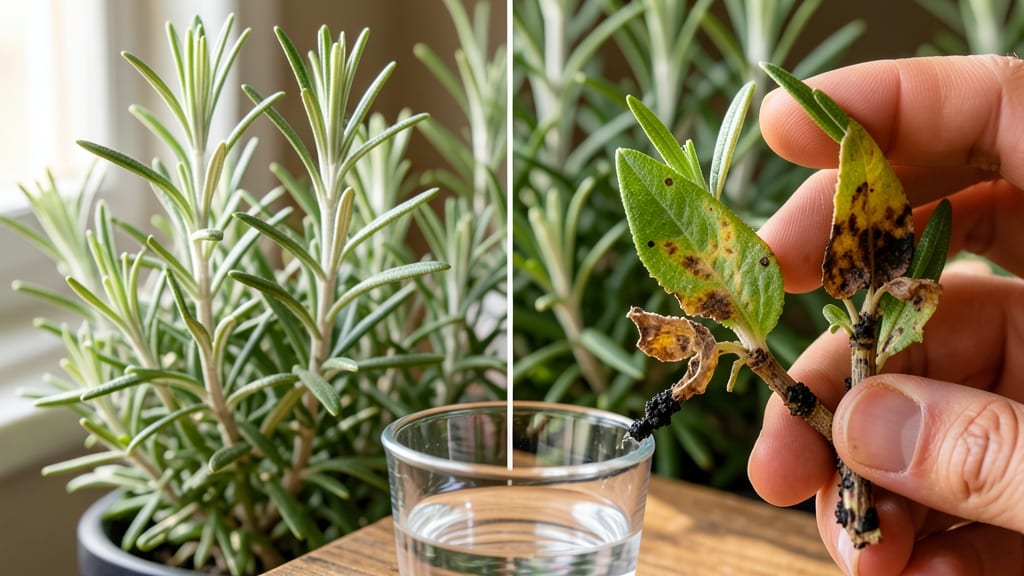
How to know if rosemary is bad—that pungent rosemary smell suddenly gone? 🌿 That’s your first warning sign. Knowing if your rosemary is bad isn’t just about looks—it’s about saving your herb before it turns to mush or attracts pests. I’ve lost entire plants to silent rot, and these three tests will help you catch problems before they spread.
Start by checking the leaves: crispy, yellowing edges or brown spots mean overwatering or fungal trouble. Next, snap a stem—if it snaps dry instead of bending, it’s past saving. Finally, give it a sniff: fresh rosemary should smell sharp and piney; anything musty or flat is a no-go.
Overwatering is the #1 killer, but pests like spider mites or root rot can strike fast too. A quick soil check (damp but not soggy) and proper drainage will keep your rosemary thriving for years.
Once you spot the signs, act fast—prune dead growth and adjust care before the whole plant gives up.
Prevention is easier than cleanup: plant in well-draining soil, water only when the top inch is dry, and prune regularly to encourage airflow. Your rosemary will stay vibrant, fragrant, and ready for cooking (or garnishing) all season long.
📚 In This Guide
- What you need
- Instructions
- Tips and common mistakes
- Wrapping up and next steps
What you need
- ● Fresh or dried rosemary sprigs: 1-2 sprigs (fresh) or 1 tsp (dried) – enough to examine closely.
- ● Clean hands: Wash them before handling to avoid contaminating the herb.
- ● Paper towel or clean cloth: For wiping off excess moisture or debris.
- ○ Small bowl or plate (optional but helpful): To place the sprigs while inspecting.
- ● Sharp knife or scissors: For trimming or cutting a small section to check the stem.
- ● Nose (your best tool!): Trust your sense of smell to detect any off-putting odors.
- ○ Magnifying glass (optional): Helps spot tiny signs of spoilage or pests if your eyes aren’t sharp.
How to know if rosemary is bad: 3 visual and smell tests
Rosemary's fresh, piney scent and vibrant green needles make it easy to overlook subtle signs of spoilage—until it's too late.
🌿 Step 1: Check for Mold or Slimy Texture
Run your fingers over the stems and needles. Fresh rosemary should feel dry and slightly papery, with a firm, resilient structure. If you notice any fuzzy spots, black specks, or a slimy coating on the stems, that's mold or bacterial growth—toss it immediately. Mold starts small but spreads fast, especially in stored rosemary.
Here's the thing—rosemary doesn't get slimy like herbs with high moisture content. If the stems feel damp or the needles clump together when you touch them, that's another red flag. Fresh rosemary should separate easily when you shake the bunch or pull apart the stems. If it sticks together like wet hair, it's past its prime.
🌱 Step 2: Examine the Color and Needle Condition
Healthy rosemary has bright, vibrant green needles that look crisp and intact. If you see any yellowing, browning, or blackened tips, that's a clear sign of oxidation or dehydration. Even a few brown needles mean the rosemary has been sitting too long—especially if it's been stored in the fridge.
Watch for wilting too. Fresh rosemary should hold its shape firmly. If the stems bend easily or the needles droop noticeably, the plant has lost moisture and is on its way out. This is especially true if the rosemary was ever frozen—thawed rosemary often loses its structure and becomes mushy.
👃 Step 3: Trust Your Nose—Smell for Freshness
Give the rosemary a good sniff. Fresh rosemary has a strong, piney, slightly citrusy aroma that's unmistakable. If it smells dull, musty, or like nothing at all, it's lost its essential oils and is no longer usable. A faint, earthy smell means it's been sitting too long—even in the fridge.
Real talk: If the rosemary smells like wet cardboard or has a sour note, it's definitely bad. That's a sign of spoilage, and cooking with it will make your dish taste off. Fresh rosemary should make your kitchen smell amazing—if it doesn't, it's time to replace it.
⏰ Step 4: Consider Storage History (Bonus Test)
Even if the rosemary passes the first three tests, think about how long it's been stored. Fresh rosemary from the market lasts about 1-2 weeks in the fridge, while dried rosemary can last months. If it's been in your pantry for over 6 months, it's past its best—even if it looks fine.
I always check the stems for any signs of brittleness. Fresh rosemary should snap cleanly when you bend a stem, not crumble or break into powder. If it feels dry and crumbly, it's lost its flavor and texture. This is especially common with dried rosemary that's been stored too long.
Tips & tricks for fresh rosemary inspection
Between us, nothing ruins a dish faster than using spoiled rosemary—here's how to avoid that kitchen disaster.
The Texture Test: Fresh rosemary should feel almost papery when you run your thumb along the needles. If they feel damp or the stems bend like wet noodles, that's your first warning sign. I learned this the hard way after using rosemary that felt slightly sticky—my roasted chicken ended up tasting bland and off. For the best test, give the stems a gentle twist: fresh rosemary should resist breaking completely.
Color Clues: Those vibrant green needles aren't just for looks—they're your first line of defense. Even a single brown or yellow needle means the rosemary has started degrading. I keep a small flashlight in my fridge to check herbs in dim lighting, as the color differences become much more obvious under bright light. Remember, rosemary doesn't brown like apples—any discoloration means it's time to compost.
Smell Secrets: This is where most people fail—they trust their eyes over their nose. Fresh rosemary should smell like a forest after rain, with that distinctive piney aroma that makes your kitchen smell amazing. If it smells like nothing, or worse, has a musty or sour note, toss it immediately. Pro tip: Crush a tiny needle between your fingers—if it releases that fresh aroma, it's still good to use.
Storage Wisdom: The 1-2 week fridge rule is your baseline, but here's what nobody tells you—rosemary lasts longer if you store it properly. Wrap the stems loosely in a paper towel, then place in a resealable bag. This prevents moisture buildup that leads to mold. For dried rosemary, check the stems for brittleness—they should snap cleanly, not crumble like stale crackers.
Pro Tips for Know If Rosemary Is Bad
- Between us, nothing ruins a dish faster than using spoiled rosemary—here's how to avoid that kitchen disaster.
- The Texture Test: Fresh rosemary should feel almost papery when you run your thumb along the needles.
- Color Clues: Those vibrant green needles aren't just for looks—they're your first line of defense.
Frequently asked questions
How long does rosemary last before it goes bad?
Fresh rosemary stays fresh for 7–10 days in the fridge (wrapped in a damp paper towel) or 3–4 months in the freezer. Dried rosemary lasts 1–2 years in a cool, dark place—like a spice drawer. If it’s past these timelines, test it first!
Can you use rosemary that’s slightly wilted or dried out?
Wilted fresh rosemary isn’t necessarily bad—just revive it by trimming the stems and soaking in cold water for 10–15 minutes. If it’s dry, brittle, or crumbly, it’s past its prime. For dried rosemary, check for strong aroma and color; if it’s faint or grayish, toss it.
What does bad rosemary smell like?
Fresh rosemary should smell piney, citrusy, and herbal. If it has a musty, sour, or fermented odor (like wet cardboard or vinegar), it’s spoiled. Dried rosemary should still have a noticeable aroma—if it’s completely odorless, replace it.
Is it safe to eat rosemary that’s moldy or slimy?
No!
Mold (fuzzy spots) or slimy texture means rosemary is contaminated with bacteria or fungi. Toss it immediately—mold can produce toxins harmful when ingested. When in doubt, trust your senses and discard it.
What’s a good substitute if my rosemary is bad?
Swap bad rosemary with:
- Thyme or oregano (for earthy depth in meats/soups)
- Marjoram or basil (milder, for sauces or veggies)
- Lemon zest + garlic (for a bright, aromatic boost)
- Dried rosemary powder (if you have it—use 1/3 the amount of fresh)
Wrapping up and next steps
Knowing how to spot bad rosemary keeps your cooking flavorful and safe—and now, you’ve got the tools to do it! 🌿 Whether it’s checking for slimy stems, musty smells, or dull colors, trust your senses to guide you.
With this simple guide, you’ll never waste a sprig again.
Ready to level up your herb game? Next, try growing your own rosemary—it’s fresher, cheaper, and just as easy to test for freshness! 🌱