
How To
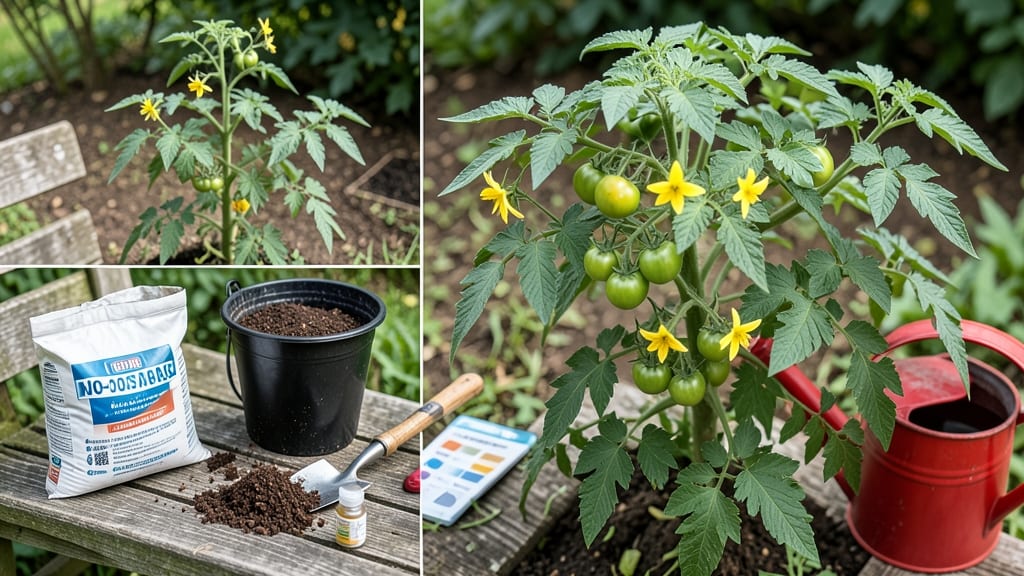
To know what fertilizer to use, match your soil test results (NPK ratios) and plant type—leafy greens thrive with nitrogen-rich formulas, while blooming plants need phosphorus, and evergreens benefit from potassium-heavy blends. Always select fertilizer types (organic, synthetic, or liquid) that address your garden's specific nutrient gaps and growth needs.
Your soil's health is the foundation of any good fertilizer plan. 🌱 A simple soil test reveals exactly what your plants are missing—whether it's nitrogen for leafy growth, phosphorus for root development, or potassium for overall plant vigor.
For example, if your tomatoes show yellowing leaves, that's often a sign of nitrogen deficiency, while roses with weak stems might need extra phosphorus.
I always recommend starting with a balanced 10-10-10 blend if you're unsure, then adjusting based on plant responses and retesting your soil every 2-3 years to track progress.
Don't forget that organic fertilizers like compost or bone meal release nutrients slowly, making them ideal for long-term soil health, while synthetic options provide quick fixes for immediate needs. The key is observing your plants—healthy leaves, strong stems, and abundant blooms or fruit tell you're on the right track.
For container gardens, I swear by liquid fertilizers because they're easier to control and adjust quickly based on what the plants show they need.
💡 In This Article
- Decoding Soil Test Results for Fertilizer Selection
- Plant-Specific Fertilizer Guide by Growth Stage
Decoding soil test results for fertilizer selection
The three numbers on your fertilizer bag—like 10-10-10 or 5-10-5—represent NPK ratios, but what they really mean is how much nitrogen (N), phosphorus (P), and potassium (K) your soil needs. Nitrogen fuels leafy growth, phosphorus strengthens roots and flowers, and potassium boosts disease resistance.
For instance, if your soil test shows low nitrogen (below 20 ppm), your plants may develop pale yellow leaves—a classic sign of deficiency. In this case, a higher-N blend (e.g., 20-5-10) would be ideal for leafy greens like kale or spinach.
But NPK isn’t the whole story—secondary nutrients like calcium, magnesium, and sulfur also play critical roles. Calcium, for example, prevents blossom-end rot in tomatoes, while magnesium deficiencies cause yellowing between leaf veins (a condition called chlorosis). Your soil test will list these values too, often in parts per million (ppm).
If magnesium is below 50 ppm, a Epsom salt (magnesium sulfate) treatment can work wonders. The key is matching these numbers to your plants’ needs: vegetables often need more nitrogen, flowers crave phosphorus, and fruit trees benefit from balanced potassium.
Here’s how to translate those numbers into action: If your soil test shows phosphorus levels under 20 ppm, opt for a fertilizer with a higher middle number (like 10-20-10) to encourage root development and flowering.
For potassium deficiencies (below 100 ppm), look for blends with a higher third number (e.g., 5-5-15). Pro tip: Organic options like bone meal (high in phosphorus) or greensand (potassium-rich) release nutrients slowly, while synthetic fertilizers like Miracle-Gro provide quick fixes.
Always water thoroughly after applying to help nutrients penetrate the soil.
Don’t overlook pH levels—most plants thrive in slightly acidic to neutral soil (6.0-7.0). If your test shows a pH of 5.0 or lower, your soil may be locking out essential nutrients like phosphorus.
In this case, adding lime (to raise pH) or sulfur (to lower it) can make fertilizers far more effective. For example, blueberries, which love acidic soil (4.5-5.5), won’t absorb nutrients well in alkaline conditions. Adjusting pH first can save you from guessing which fertilizer to use.
One common mistake? Ignoring micronutrients like iron, zinc, or manganese. Even if your NPK levels are perfect, deficiencies in these trace elements can still stunt growth. For instance, yellow leaves with green veins often signal iron deficiency, which can be fixed with chelated iron supplements.
Always cross-reference your soil test with plant symptoms—yellowing leaves on older foliage might mean nitrogen, but yellowing on new growth could point to a micronutrient issue. 🌱
For container gardens, where soil volumes are small, liquid fertilizers like fish emulsion or seaweed extract are game-changers. They dissolve quickly, allowing you to fine-tune nutrient delivery based on what your plants show they need.
For example, if your basil starts wilting despite regular watering, it might be craving more potassium—switch to a 5-5-10 blend or foliar spray. The beauty of containers is you can experiment without committing to large batches of soil amendments.