
How To
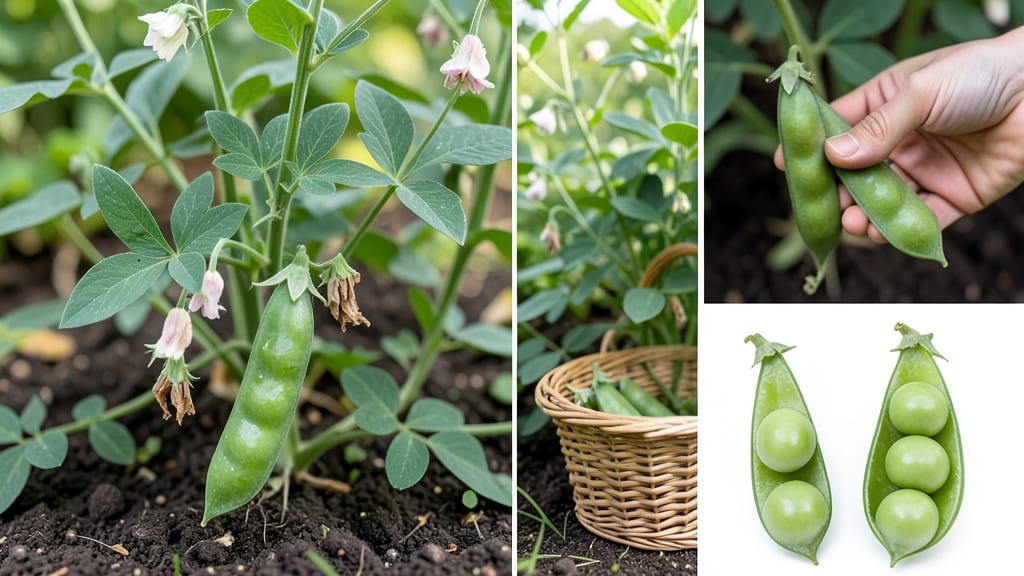
How to know when to pick peas makes all the difference between sweet, tender pods and tough, mealy leftovers. If you’ve ever bitten into an overripe pea only to cringe, you’re not alone—timing is everything, and it’s easier than you think to get it right.
Peas send clear signals when they’re ready, from their size and color to a simple snap test that takes just seconds. Whether you’re growing sugar snaps, snow peas, or classic shelling peas, these visual and tactile cues will help you harvest at peak freshness.
The best part? Regular picking actually encourages your plants to produce more, so you’ll end up with a bountiful harvest.
I’ll walk you through the exact signs to look for—like pod length, vibrant green color, and that satisfying crunch—and how to adjust your picking schedule based on your pea variety. No guesswork, just a foolproof method to enjoy the freshest peas straight from your garden.
Ready to turn your pea patch into a flavor-packed success? Let’s dive into the simple steps that’ll have you picking perfect pods in no time.


Pea pod size, color, and texture: the 3 key signs to harvest
Peas are ready to pick when they’re firm, plump, and vibrant—but timing is everything. Overripe peas turn tough and mealy, while underripe pods stay small and bitter. Let’s break down the three essential signs to harvest at peak sweetness: pod size, color, and texture.
These cues apply to most varieties, though sugar snap peas and shelling peas have slight differences.
First, focus on pod size. For most pea varieties, aim for pods that are 1 to 2 inches long. Sugar snap peas should be slightly shorter (1 inch) and thicker, while shelling peas can stretch closer to 2 inches before the seeds inside grow too large.
If pods feel too small or wrinkled, they’re not ready—give them a few more days in the garden.
Next, check the color. Ripe pea pods should be a bright, even green. Avoid pods with yellowing or brown spots, which signal overripeness or disease. Snow peas stay flatter and lighter green, while sugar snap peas have a deeper, richer hue.
A dull or mottled color means it’s past its prime.
Here’s where the texture test comes in. Gently squeeze the pod—it should feel firm but slightly yielding, like a ripe cucumber. If it’s rock-hard, it’s underripe; if it’s soft or mushy, it’s overripe.
For shelling peas, the skin should resist gentle pressure but still give a little when pressed.
| Sign | Ready Peas | Not Ready |
|---|---|---|
| Pod Size | 1–2 inches long, plump | Small, wrinkled, or shriveled |
| Color | Bright, even green | Pale, yellowing, or spotted |
| Texture | Firm but slightly yielding | Rock-hard or mushy |
| Snap Test | Stem snaps cleanly | Stem bends or breaks unevenly |
For sugar snap peas, the pods should be crisp and sweet—almost like a cross between a pea pod and a bean.
If you hear a crisp snap when you bend the stem, it’s ready. Shelling peas, on the other hand, should have small, round seeds inside but not yet filling the pod completely. Overlooking these signs can lead to bitter, fibrous peas that ruin your harvest.
Pro tip: Harvest in the morning when peas are cool and crisp. Use clean, sharp scissors or your fingers to snap the pods off just above the first leaf. This encourages the plant to produce more pods faster.
If you notice pods drying out or turning brown, it’s a sign to pick them immediately—even if they’re not perfect—to prevent the plant from wasting energy.
Remember, regular harvesting is key. Peas mature quickly, often within 5–7 days, so check your plants every 2–3 days during peak season. The more you pick, the more your pea plants will reward you with a bountiful, flavorful harvest.
Now that you’ve mastered the visual and tactile cues, let’s dive into the snap test—the ultimate way to confirm ripeness before you pick. A simple bend can save you from tough, overripe pods!
Pea pod size, color, and texture: the 3 key signs to harvest
Peas are ready to pick when they reach peak ripeness, but spotting that perfect moment requires checking three key features: pod size, color, and texture. Each variety—like sugar snap, shelling, or snow peas—has slightly different cues, but these universal signs apply to all.
Ignoring them means tough, fibrous pods that sacrifice flavor and texture.
Start by examining the pod length. For most varieties, ideal size ranges from 1 to 2 inches. Sugar snaps should be crisp and slightly curved, while shelling peas need pods just long enough to hold plump peas inside.
Overlooking size leads to underripe pods that lack sweetness or overripe ones with hard seeds.
Next, observe the color. Mature peas boast a vibrant green hue without yellowing or browning. Uneven coloring signals stress or disease, while pale pods mean they need more time. Pay extra attention to the seam—it should be smooth and tight, not splitting or drying out.
Finally, test the texture with a gentle squeeze. Ready-to-pick pods feel firm yet slightly yielding, like a ripe avocado. If they’re rock-hard, they’re not ripe; if they’re mushy, you’ve waited too long. This tactile check is your best tool for consistency.