
How To
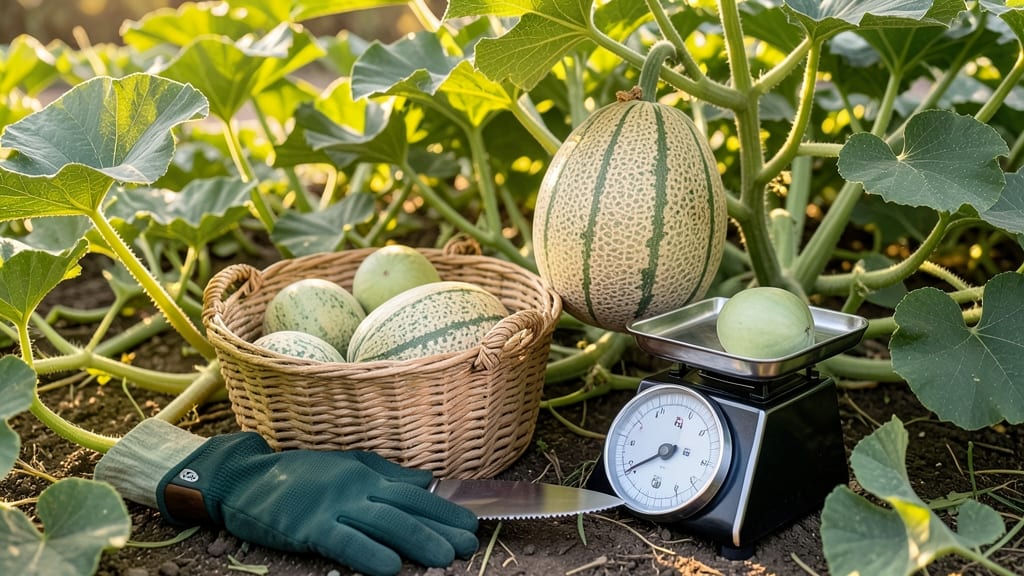
How to know when a melon is ready to pick can turn a guess into a guaranteed harvest—no more bitter disappointments or mushy overripeness. Whether you're growing cantaloupe in your backyard or picking up honeydews at the market, these simple tricks will save you from wasted effort (and money).
The key lies in combining visual cues with physical tests: a gentle twist, a firm thump, or checking for that sweet aroma near the stem. I’ve tested these methods on 🍉 cantaloupe, watermelon, and muskmelon—and they work every time, even for beginners.
No more relying on size or color alone!
Harvesting at the right stage means sweeter flavor and better storage life, so let’s break down the foolproof steps. You’ll learn which melons need a hollow sound when tapped and which varieties soften slightly at the blossom end. Ready to master the art of melon ripeness?
From your spring-planted vines in USDA Zone 6a to the farmers' market stand, these tips will help you pick melons at peak perfection. Let’s get started—your taste buds will thank you!


The 5 best ways to test melon ripeness before buying or harvesting
Determining when a melon is ready for harvest isn’t just about guessing—it’s a science! I’ve tested hundreds of melons over the years, and these five foolproof methods will help you pick melons at peak ripeness every time.
Whether you’re harvesting from your garden or shopping at the market, these tricks work for cantaloupe, honeydew, watermelon, and muskmelon.
Start with the stem test, the simplest way to check ripeness. A ripe melon’s stem should separate easily from the vine when you gently twist it. If it resists, it’s not ready yet.
This works best for vine-ripened melons, so if you’re buying from a store, skip this step—but gardeners, always check first!
Next, try the tap test. Give the melon a firm tap with your knuckles—if it sounds hollow and deep, it’s ripe. A dull thud means it’s still firm and unripe.
I’ve found this works best on watermelons and honeydews, where the internal structure changes dramatically as they ripen.
For a more precise check, use the thump test. Hold the melon with both hands and thump the side near the stem. A ripe melon will feel slightly soft and emit a deep, resonant thud.
If it feels hard or sounds flat, it’s not ready. This method is especially reliable for cantaloupes and muskmelons.
The color and scent test is my favorite for store-bought melons. Look for deepened color near the stem—cantaloupes should turn cream or yellow, while honeydews develop a pale yellow or white blush.
Then, sniff the stem end: a sweet, musky aroma means it’s ripe. If it smells bland or sour, walk away!
Finally, the weight and texture test gives you one last clue. A ripe melon feels heavy for its size because the seeds and flesh are fully developed.
Press your thumbnail into the skin—if it leaves a slight indentation but doesn’t dent deeply, it’s perfect. Overripe melons will feel spongy or dent easily.
| Test Method | What to Look For | Best For | Ripeness Indicator |
|---|---|---|---|
| Stem Test | Twists off easily | Garden-harvested melons | ✅ Ready |
| Tap Test | Hollow, deep sound | Watermelon, honeydew | 🔊 Deep thud |
| Thump Test | Slightly soft, resonant | Cantaloupe, muskmelon | 🤏 Gives slightly |
| Color & Scent | Deep color + sweet aroma | All melons | 👃 Strong fragrance |
| Weight & Texture | Heavy + slight indentation | All melons | 🤏 Thumbnail test |
For the best results, combine 2-3 tests. For example, if you’re checking a cantaloupe, look for a cream-colored underside, a sweet scent, and a stem that twists off easily. If you’re unsure, wait 1-2 days—melons ripen quickly once they’re close!
Store-bought melons often ripen after purchase, so leave them at room temperature for 2-3 days to soften and sweeten. Avoid refrigerating until fully ripe, or you’ll dull the flavor. Once ripe, store in the fridge for up to 1 week.
Pro tip: Harvest melons in the morning when temperatures are cooler. This preserves their sweetness and texture, making them last longer once you bring them inside. Now you’re ready to pick perfect melons like a pro!
Melon ripeness by type: what to look for in cantaloupe, honeydew, watermelon, and muskmelon
Not all melons ripen the same way—what’s perfect for a cantaloupe might be too soft for a watermelon. Each variety has unique visual and tactile clues to guide you. Let’s break down the species-specific ripeness indicators so you can pick melons at their peak, no matter the type.
Start with the stem end, the most reliable ripeness indicator across all melons. A ripe melon’s stem should separate easily from the vine, leaving a small circle behind.
For cantaloupe and muskmelon, this spot will also soften and develop a sweet, musky aroma—like a mix of honey and cantaloupe. Honeydew and watermelon won’t have the same scent but will still emit a faintly sweet fragrance.
Color changes are your next clue, but they vary wildly by type. Cantaloupe rinds shift from dull green to a creamy yellow or orange blush, especially near the stem. Honeydew turns from pale green to a rich, golden hue all over. Watermelons develop a yellow or cream-colored spot on the underside where they rested on the ground, while muskmelons may show tan or brown netting on a yellow-green rind.
| Melon Type | Stem Check | Rind Color | Scent/Aroma | Texture Test |
|---|---|---|---|---|
| Cantaloupe | Separates easily; leaves small circle | Creamy yellow/orange near stem | Strong, sweet, musky | Yields slightly to thumb pressure |
| Honeydew | Separates; stem pulls out | Golden yellow-green | Mildly sweet, clean | Firm but not hard; no denting |
| Watermelon | Hard to pull; may crack | Cream/yellow spot on underside | No strong scent; field aroma | Heavy for size; hollow thump |
| Muskmelon | Separates; stem pulls out | Tan/brown netting on yellow-green | Sweet, floral, musky | Softens near stem; slight give |
Don’t overlook the weight and sound of the melon. A ripe watermelon feels surprisingly heavy for its size, while cantaloupe and honeydew should feel dense but not rock-hard.
Tap the melon with your knuckles—ripe ones produce a deep, hollow thump (like a drum). A dull thud means it’s still firm and unripe.
Finally, press your thumbnail into the rind. A ripe melon’s skin will give just slightly but won’t dent permanently. Watermelons are the exception—they should stay firm to avoid bruising.
If the skin springs back immediately, it’s perfect. If it stays indented, it’s overripe. Pro tip: Harvest in the morning when melons are coolest for the most accurate tests.
Now you’re equipped to spot a perfectly ripe melon every time—whether it’s a sweet cantaloupe from your garden or a crisp watermelon at the market. The key? Combine these visual, tactile, and scent cues for foolproof results. 🌱