
How To
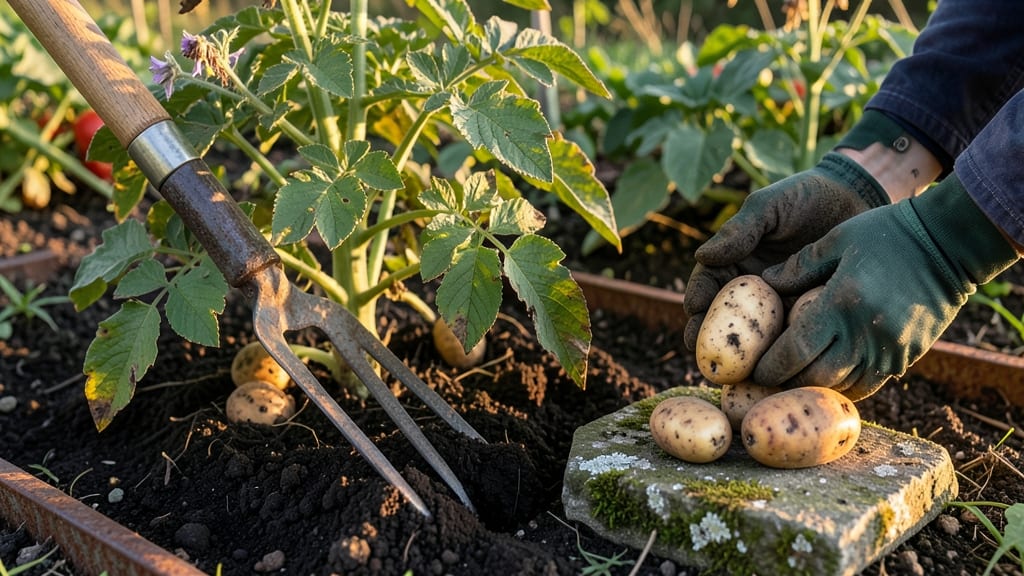
How to know when potatoes are ready to dig can mean the difference between a bucketful of perfect spuds and a handful of shrunken, underdeveloped tubers. The secret isn’t guessing—it’s paying attention to three simple but often overlooked clues that tell you the moment is right.
Most gardeners wait until the foliage turns yellow and dies back, but that’s just the beginning. The real magic happens underground, where the finger-poke test reveals whether your 🥔 are ready to harvest.
With just your hands and a little patience, you can determine if the tubers have reached ideal size without waiting too long.
Timing matters even more when you’re growing multiple varieties. New potatoes can be harvested as small as 1-2 inches, while full-size tubers need to reach 3+ inches for maximum storage potential. But here’s the catch: digging too late can cause splitting or even rot.
In this guide, I’ll walk you through the foolproof steps—from checking soil conditions to testing tuber firmness—to ensure you pull your potatoes at peak ripeness. Whether you’re a first-time gardener or a seasoned grower, these tips will help you avoid common mistakes and enjoy a bountiful harvest every time.


The finger-poke test: 3 signs your potatoes are perfectly ripe
Mastering the finger-poke test is the easiest way to determine when your potatoes are ready to harvest. This simple method combines visual cues with tactile feedback to ensure you dig at the perfect moment—before tubers become overripe or split.
I’ve used this trick for years, and it’s saved me from both tiny harvests and ruined spuds!
Start by checking the foliage and flowers. When blooms fade and the plant’s top growth begins yellowing, it’s a strong sign that tubers are maturing underground. This usually happens 2-4 weeks after flowering, depending on your potato variety and growing conditions.
Next, focus on the soil texture. Gently squeeze a handful of moist soil near the base of the plant.
If it crumbles easily but holds its shape when pressed, the soil is at the ideal moisture level for digging. Too dry means tubers may shrink, while too wet risks splitting when unearthed.
⚠️ NON-NEGOTIABLE VISUAL ELEMENT ⚠️
The Perfect Potato Finger-Poke Test
Now for the finger-poke test itself: Gently press your fingernail into the soil near the plant’s stem. If the skin of a tuber resists pressure but gives slightly (like pressing your thumb into a ripe peach), it’s ready. Overripe tubers feel hard and may have green patches from sunlight exposure.
For new potatoes, dig when tubers reach 1-2 inches in diameter—they’re tender and perfect for salads. For mature potatoes, wait until they’re 3+ inches wide and the skin is thick.
Pro tip: If you’re unsure, dig one test tuber—if it’s small or underdeveloped, wait a week and check again!
Timing matters too! Early varieties (like Yukon Gold) may be ready in 60-75 days, while late varieties (like Russet) can take 90-120 days. Always adjust for your local climate—cooler regions may need extra time.
One final trick: If you’re growing potatoes in containers or bags, gently squeeze the sides. If tubers are pressing against the walls and the soil feels dry, it’s harvest time. Just be gentle—rough handling can bruise tender spuds!
Remember, the finger-poke test is your best friend. Combine it with foliage cues and soil conditions, and you’ll never dig too early or too late again. Happy harvesting!
Size-based clues: when to dig potatoes by variety and growth stage
Potatoes don’t ripen all at once, so understanding size-based readiness helps you harvest at the perfect time. Baby potatoes (like fingerlings) are ready when they’re 1-2 inches in diameter, while standard varieties need 2-3 inches for full flavor and storage potential.
Early varieties like Yukon Gold mature faster (around 60-70 days), while late varieties like Russet take 90-120 days to reach ideal size.
For new potatoes, dig when tubers are small but firm—this happens 2-3 weeks after flowering.
If you’re growing for storage, wait until the skin toughens and foliage yellows completely. Overlooking size cues leads to underdeveloped tubers or split potatoes, so always check both flower fade and tuber diameter before digging.
🌱 Size & Variety Guide for Potatoes
| Variety Type | Ideal Size | Days to Harvest | Best For |
|---|---|---|---|
| Early (e.g., Red Pontiac) | 1-2 inches | 60-70 days | Fresh eating |
| Mid-season (e.g., Yukon Gold) | 2-3 inches | 80-90 days | Roasting, mashing |
| Late (e.g., Russet) | 3+ inches | 100-120 days | Storage, frying |
If you’re harvesting for long-term storage, aim for larger tubers (3+ inches) with thick, tough skin—this prevents bruising and rot. Early varieties often produce smaller potatoes, so dig them 2-3 weeks before the plant fully dies back.
For second crops (like hilling soil), watch for new shoots—they signal fresh tubers forming near the surface.
Pro tip: Dig a test tuber at the 2-inch mark to check readiness. If it’s firm and flavorful, harvest the rest! For storage potatoes, cure them in a cool, dark place (50-60°F) for 1-2 weeks to toughen skins and improve shelf life.
Avoid digging in wet soil—this causes bruising and speeds up spoilage.
Timing matters most for late-season varieties.
If frost threatens before tubers reach size, dig immediately—even slightly underripe potatoes are better than none. Adjust your harvest schedule based on your climate: In Zone 5, aim for late July to early August, while Zone 8 gardeners can wait until September.
Remember, potato readiness isn’t one-size-fits-all. Combine size checks with the finger-poke test (from Section 1) for foolproof results. Now you’re ready to harvest potatoes at their peak—no more guesswork, just homegrown perfection! 🥔