
How To
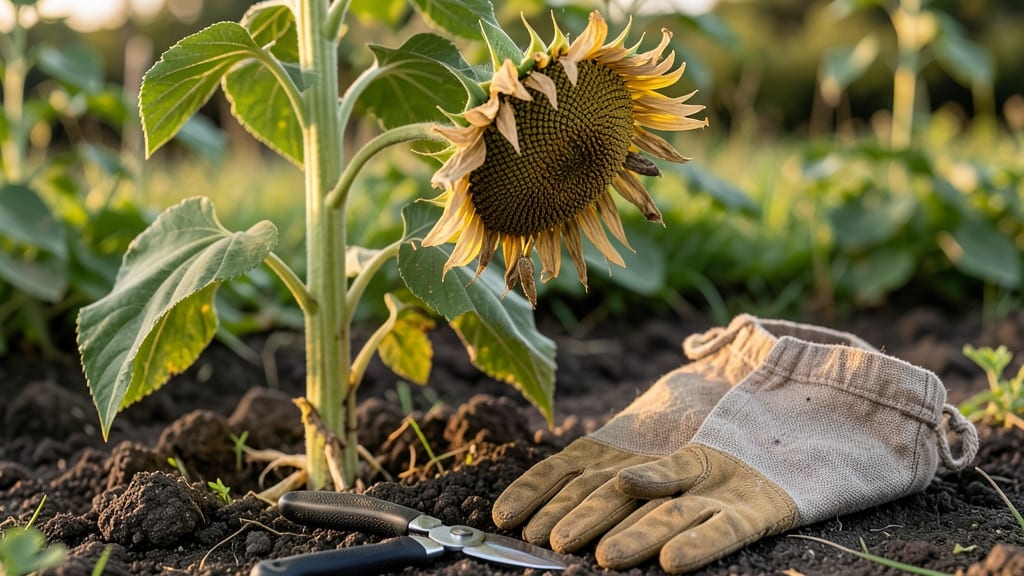
How to know when sunflower seeds are ready to harvest can turn a guesswork game into a foolproof routine—because waiting too long means bitter seeds, while picking too early leaves you with underdeveloped ones. The key lies in watching for subtle but unmistakable cues, like the 🌻 seed head turning from green to golden-brown and the papery back drying out completely.
You’ll also want to master the "squeeze test"—gently shaking the head should release seeds easily, with a hollow sound that tells you they’re fully mature. This method works especially well in USDA Zone 6a, where late summer heat signals peak ripeness between July and October.
Beyond color and sound, there’s one more trick: check the seed shells for hardness. If they’re crisp and snap when pinched, you’re golden. Skipping this step could mean storing seeds that aren’t quite ready, leading to mold or poor germination.
Let’s break down these 3 foolproof signs—so you never miss the perfect harvest window again. Ready to transform your sunflower seeds from "maybe" to "perfectly ripe"?


Visual signs sunflower seeds are ready: color, size, and head maturity
Sunflowers are one of the most rewarding plants to grow, but knowing exactly when to harvest those seeds can be tricky. The key lies in watching for three primary visual cues: the color of the seed head, the back-of-head papery layer, and the overall size of the flower.
When these signs align, you’ll know your seeds are ready for harvest—no more, no less.
First, pay attention to the petals. When they’ve fully fallen off or turned brown and crispy, that’s your first clue. This usually happens about 70-120 days after planting, depending on the variety. But don’t rush—wait until the seed head itself shows deeper maturity signs.
Next, check the back of the seed head, where the papery layer forms. This area should turn from green to yellow-brown, almost like parchment paper. If it’s still white or pale green, the seeds need more time. This is one of the most reliable indicators of readiness.
Finally, observe the seed head size. Mature sunflower seeds should feel plump and full inside the head. If you can see individual seeds pressing against the shell, they’re likely ready. Smaller, less developed heads mean the seeds aren’t fully mature yet.
🌻 Sunflower Seed Maturity Comparison Table
| Sign | Not Ready (🟢) | Ready (🟤) |
|---|---|---|
| Petals | Bright yellow, still attached | Brown, dry, or fallen off |
| Back of Head | White or pale green | Yellow-brown, papery |
| Seed Size | Small, not plump | Large, firm, pressing against shell |
| Stem | Green, flexible | Drying, brown at base |
The variety of sunflower can also affect these signs. For example, giant sunflowers like 'Russian Giant' may take longer to mature, while smaller varieties like 'Teddy Bear' reach readiness faster. Always check the seed packet for specific days to maturity guidance, but trust your eyes for the final call.
One pro tip: Harvest on a dry day when the seed heads are fully mature. If you wait too long, the seeds may scatter or attract pests like squirrels. Cut the head off with a sharp knife or pruners, leaving a 2-inch stem to make hanging them easier.
If you’re unsure whether your seeds are ready, perform the seed shake test—we’ll cover this in detail in the next section. But for now, focus on these visual cues to avoid harvesting too early or too late.
Remember, patience is key. Rushing the harvest can lead to bitter, underdeveloped seeds, while waiting too long risks losing them to birds or weather. Keep an eye on your sunflowers, and you’ll know exactly when to reap your reward.
Once you’ve confirmed the seeds are ready, the next step is to dry and store them properly. But first, let’s talk about the sound test—a foolproof way to double-check maturity.
Visual signs sunflower seeds are ready: color, size, and head maturity
Timing your sunflower seed harvest is all about watching for three key visual cues: petal color, seed head size, and the back-of-head color. When these signs align, you’ve got perfect seeds for planting or snacking.
For most varieties, this happens 70-120 days after planting, typically in late summer to early fall.
First, look at the flower petals. When they’ve fully dropped off and the seed head turns brown from the bottom up, that’s your first clue.
The head should feel dry and papery to the touch, not damp or green. This usually happens 2-3 weeks after flowering, depending on your climate.
Next, check the back of the seed head. This is the papery layer where seeds attach. It should turn from green to yellow-brown—almost like parchment paper.
If it’s still white or pale green, your seeds need more time. Pro tip: Use a magnifying glass to inspect this area if your sunflowers are tall and hard to see.
| Sign | Ready Seeds | Not Ready Seeds |
|---|---|---|
| Petal Color | Fully dropped | Still attached or wilted |
| Seed Head Color | Uniform brown | Green or patchy |
| Back of Head | Yellow-brown and dry | White or green |
| Seed Size | Plump and full | Small or shriveled |
Don’t forget to compare your sunflowers to common varieties. For example, Mammoth sunflowers take longer to mature than Teddy Bear varieties. If you’re unsure, cut open a seed—it should be fully formed, not hollow or underdeveloped.
Overripe seeds turn black and bitter, so act fast once you see these signs!
Finally, watch the stem and leaves. When they start to dry out and die back, it’s a final confirmation that your seeds are ready.
This usually happens 1-2 weeks after the seed head turns brown. If you miss this window, seeds may scatter on the ground, reducing your harvest.
Proper timing ensures high-quality seeds—whether you’re saving them for next year’s garden or roasting them for snacks. Now that you know what to look for, grab your pruners and get ready for harvest season! 🌾