
How To
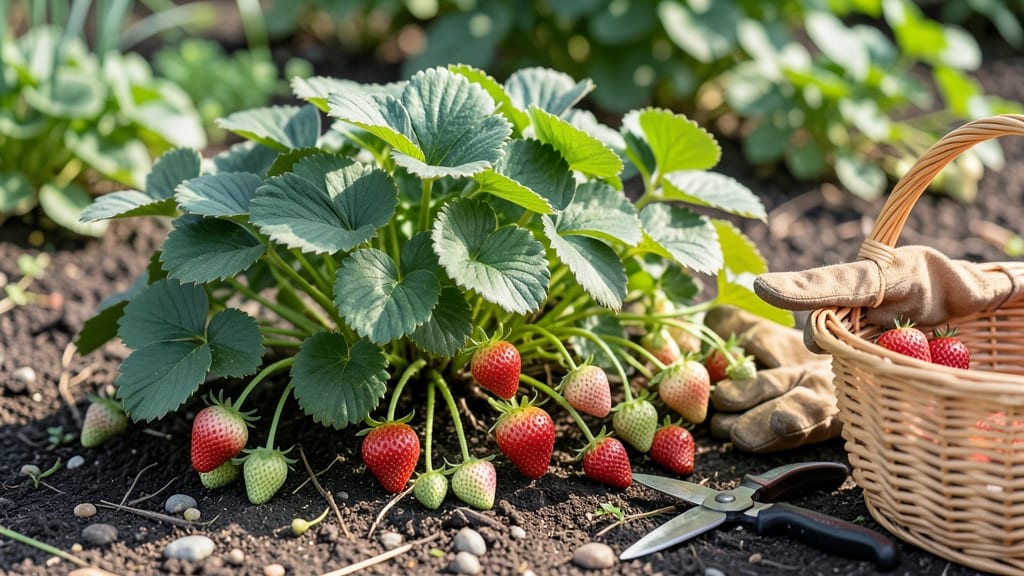
Knowing how to know when strawberries are ready to pick can turn a mediocre harvest into a sweet, juicy triumph—and it all comes down to three simple cues.
That perfect balance between firmness, color, and scent is what separates flavor-packed berries from the bland, mealy ones that end up in the compost. Whether you're a first-time gardener or a seasoned green thumb, these visual and tactile clues will help you nail the timing every time.
The first sign your strawberries are ready is a uniform deep red color—no more pale white or green patches. But color alone isn’t enough; you’ll also want to give them a gentle squeeze.
A ripe strawberry should yield slightly under pressure, like a perfectly ripe peach, while still holding its shape. Skip the hard-as-a-rock or mushy ones, because those mean you’ve missed the window.
Don’t overlook the scent—a sweet, fragrant aroma is your final green light. If your strawberries smell like nothing (or worse, like they’ve been sitting in the sun too long), they’re not quite there yet.
Pro tip: The best time to check is on a cool morning, when the flavors are most concentrated. This is when you’ll catch them at their peak, ready to be plucked with a tiny tail still attached.
Timing matters too, especially in USDA Zone 6a where spring’s fleeting window means June and July are your golden months. Harvesting at the right moment ensures the best flavor, but it also means fewer trips to the patch—because once you master these cues, you’ll never second-guess when to pick again.
Let’s break down exactly how to test them like a pro.


The 3 key signs your strawberries are ready to pick
Picking strawberries at the wrong time can turn your juicy rewards into soggy disappointments. The secret lies in three clear indicators that show your berries are at their peak. First, focus on color consistency—ripe strawberries should be a uniform deep red, not patchy or pale.
Second, perform the gentle squeeze test to check firmness. Finally, trust your nose: a sweet, fragrant aroma is nature’s way of saying "pick me!"
I’ve learned the hard way that overripe strawberries turn mushy and lose flavor quickly. The key is to harvest when they’re fully ripe but still firm.
This balance ensures you get the sweetest, most flavorful berries possible. Let’s break down these three essential signs so you never miss the perfect moment again.
🍓 Visual Cue: A ripe strawberry should be deep red all over, with no green or white patches. Some varieties, like Albion, stay white when ripe, so always check the berry’s natural color for your specific type. If the color is uneven, wait another day or two.
🤏 Tactile Test: Gently squeeze the berry—it should yield slightly to pressure but not feel mushy. If it’s too hard, it’s not ready; if it’s too soft, it’s overripe. The ideal texture is firm yet tender, like a ripe peach.
👃 Scent Check: Hold the berry to your nose. A ripe strawberry emits a sweet, floral fragrance. If there’s no scent or it smells sour, it’s not ready. This aromatic cue is one of the most reliable ways to judge ripeness, especially for early-season varieties that ripen before turning fully red.
🌱 Strawberry Ripeness Guide
| Sign | What to Look For | What to Avoid |
|---|---|---|
| Color | Uniform deep red (or natural variety color) | Green, white, or patchy areas |
| Firmness | Slightly soft but not mushy | Hard or overly soft berries |
| Scent | Sweet, floral aroma | No scent or sour smell |
| Attachment | Separates easily with a small tail | Tears or leaves a large stem |
One common mistake I see is picking strawberries too early to avoid birds or pests getting to them. But underripe berries won’t ripen further off the plant, so always wait for the full color change.
If you’re dealing with June-bearing varieties, they’ll all ripen within a 2-3 week window, so plan to harvest daily during peak season.
For everbearing or day-neutral varieties, berries ripen in multiple flushes throughout the season. This means you’ll need to check your plants every 2-3 days to catch them at the perfect moment. Keep a small harvesting basket handy to avoid bruising the berries.
Another pro tip: Pick in the morning when temperatures are cooler. This helps preserve the berry’s freshness and makes it easier to spot ripe ones against the dewy foliage. Avoid harvesting after rain, as wet berries are more prone to rot and mold.
If you’re unsure whether a berry is ready, leave it on the plant. Overripe strawberries can spread disease to the rest of your crop, so it’s better to be patient. Once you’ve mastered these three signs, you’ll never second-guess your strawberry harvest again!
Remember, the sweetest strawberries come from patience and attention to detail. With these cues, you’ll enjoy a bountiful, flavorful harvest every season. Happy picking!
The 3 key signs your strawberries are ready to pick
Strawberries don’t ripen after being picked, so timing is everything. The three definitive signs of ripeness—color, firmness, and scent—work together to guarantee peak flavor. Ignore any one of these cues, and you risk ending up with berries that are either too tart or mushy.
For example, a strawberry might look red but still taste bland if it’s not fully firm, while a fragrant berry that’s rock-hard hasn’t reached its sugar peak yet.
Start with color: ripe strawberries should be a uniform deep red all over, with no white or green patches. Some varieties, like Albion, may have hints of yellow, but the majority should be fully colored.
If you see green tips or pale sections, the berry needs more time. Pro tip: Check the cap (top)—it should also be fully red, not white or green.
Next, perform the gentle squeeze test. A ripe strawberry yields slightly under pressure but doesn’t collapse. Think of it like pressing a ripe peach—just enough give to know it’s ready, but not so soft it feels overripe.
Overripe berries will feel mushy, while underripe ones will feel hard as a rock. This tactile check is especially important for June-bearing varieties, which ripen all at once.