
How To
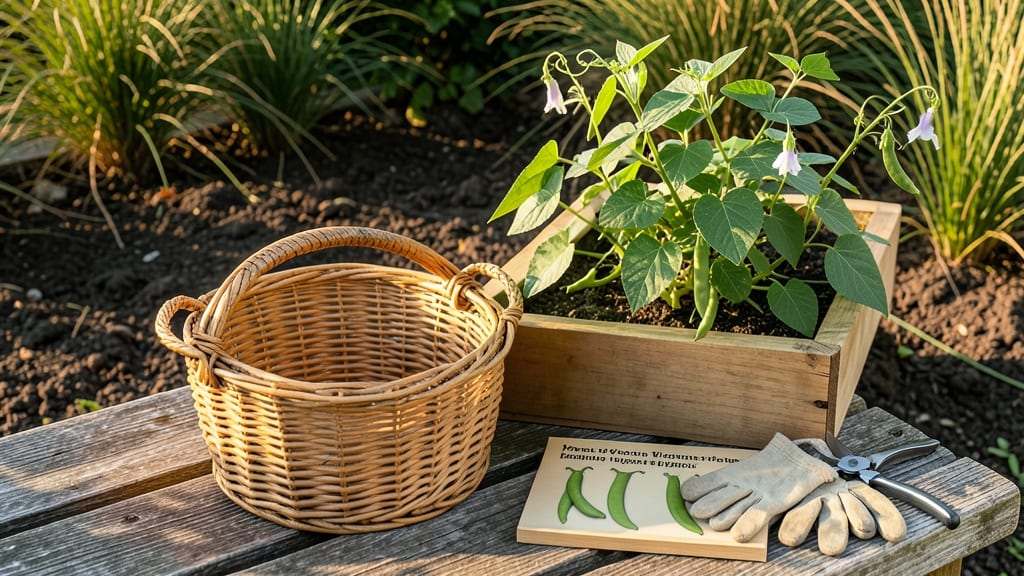
How to know when to harvest green beans 🌱 can make all the difference between a crisp, flavorful meal and a tough, disappointing one. If you've ever wondered why your beans turn out chewy or stringy, the answer lies in timing—and it's easier than you think.
Most gardeners miss the perfect window because they don't recognize the subtle cues that signal readiness. The key is watching for pods that are 4-6 inches long, firm but tender to the touch, and snap easily when bent. These simple visual checks ensure you're picking at peak freshness.
Harvesting at the right moment isn't just about taste—it also boosts your plant's productivity. When you pick regularly, you encourage more beans to grow, extending your harvest season. I'll show you exactly how to spot those perfect pods and avoid common mistakes that lead to overripe harvests.
Whether you're a seasoned gardener or just starting out, mastering this skill will transform your green bean harvest. Let's dive into the 3 clear signs your beans are ready now—and how to keep them at their best once picked.


3 Clear visual signs your green beans are ready for harvest
Green beans are at their peak when they're tender, crisp, and full of flavor—but only for a short window. The key is learning to spot 3 visual cues that scream "harvest me now!" before they turn woody or overripe.
I’ve harvested green beans for years, and these signs have never failed me.
First, pay attention to pod size. The ideal length for most green bean varieties is between 4 to 6 inches. If your beans are shorter than 3 inches, they’re still maturing and need more time.
On the flip side, if they’re longer than 6 inches, you’ve missed the boat—they’ll be tough and stringy.
Next, check the pod firmness. Gently squeeze a bean pod—it should feel firm but tender, almost like a fresh asparagus spear. If it’s mushy or squishy, it’s overripe.
If it’s still too soft, it needs more time on the vine. This is where most gardeners go wrong—they wait too long!
Here’s my favorite trick: the snap test. Hold a pod near the stem and bend it slightly. If it snaps cleanly with a slight crack, it’s ready to pick.
If it bends without snapping, it’s underripe. If it feels stiff and doesn’t bend at all, it’s past its prime. This test is foolproof and takes just seconds!
-
1Pod Size: 4–6 inches long (no longer!)
-
2Firmness: Tender but not mushy (squeeze test)
-
3Snap Test: Breaks cleanly when bent (no give!)
Don’t overlook the seed visibility inside the pod. When beans are perfectly ripe, the seeds are tiny and barely visible through the pod’s skin.
If you can see large, plump seeds or even feel them bulging against the pod, it’s time to harvest—otherwise, they’ll keep growing and turn the beans tough.
One common mistake I see is waiting until the pods turn a deeper green or even yellow. By then, the beans are often past their prime. Stick to the 4–6 inch rule and the snap test—your taste buds will thank you!
The sooner you pick them after they reach these signs, the sweeter and crunchier they’ll be.
Pro tip: Harvest in the morning when temperatures are cooler. This ensures the beans are at their freshest and firmest. Plus, picking early in the day gives you time to enjoy them (or preserve them) before they lose their crispness.
If you’re growing bush beans vs. pole beans, the signs are the same, but the timing might differ slightly. Bush beans often mature faster (around 50–55 days) compared to pole beans (closer to 60–70 days). Always check the variety’s days-to-maturity on the seed packet for extra precision.
Finally, avoid the temptation to harvest every single pod at once. Green beans produce continuously, so aim to pick every 2–3 days during peak production. This encourages the plant to keep producing more tender beans instead of letting them overripe on the vine. Your harvest will last longer this way!
Remember, the goal is tender, sweet beans—not tough, stringy ones. Once you master these visual cues, you’ll never second-guess your harvest timing again. Happy picking! 🌿
3 Clear visual signs your green beans are ready for harvest
Green beans are at their peak when picked at the right moment—too early, and they’re underdeveloped; too late, and they turn tough and woody. The key is spotting three clear visual cues that signal perfect ripeness.
Start by checking the pod size, which should be 4-6 inches long for most varieties. This length ensures the beans have fully developed but haven’t hardened yet.
Next, examine the pod color. Ripe green beans should be a vibrant deep green, not pale or yellowing. A dull or fading hue means the beans are past their prime.
Finally, perform the snap test: gently bend a pod—if it snaps cleanly with a slight crack, it’s ready to harvest. A pod that bends without snapping is still too young, while one that feels stiff or fibrous is overripe.
Avoid the common mistake of harvesting based solely on plant age. While green beans typically mature in 60-70 days, environmental factors like temperature and sunlight can delay or speed up ripening.
For example, cooler weather may slow growth, while hotter conditions can cause beans to mature faster. Always prioritize the visual cues over a calendar-based schedule.
If you miss the perfect window, don’t panic—harvesting slightly underripe beans (3-4 inches long) still yields edible pods, though they’ll be softer. Overripe beans (beyond 6 inches or with visible seeds) become tough and lose their sweetness.
For best results, check your plants every 2-3 days during peak season to catch them at their prime.
Pro tip: Use a small pruning shears or clean knife to harvest, cutting the pod just above the leaf node. This encourages more beans to form and keeps the plant healthy. Avoid pulling pods, as this can damage the vine.
Once you’ve mastered these signs, you’ll consistently harvest tender, flavorful green beans that are perfect for fresh eating, steaming, or preserving. Happy harvesting! 🌱