
Planting
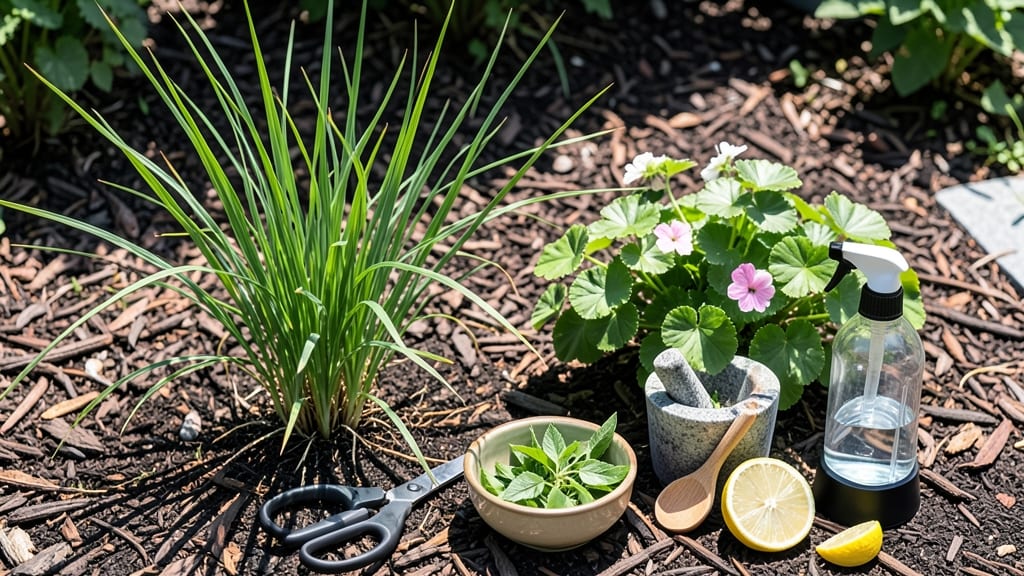
How to make citronella spray from this plant is easier than you’d think—just 10 minutes with ingredients you might already have growing. The key is using the right parts of the plant (leaves, stems, or even flowers) and letting them steep properly for maximum punch.
Start with a gallon of water, a handful of chopped citronella leaves, and a few drops of dish soap to help the mixture cling. Add optional boosters like lemongrass or lavender for extra protection.
The spray works best when applied to skin or sprayed around seating areas—just avoid direct sunlight, which breaks down the oils faster.
You'll end up with a fragrant, non-toxic barrier that keeps mosquitoes away for hours. The best part? No harsh chemicals, no lingering artificial scents—just the crisp, citrusy aroma of your own garden. Plus, it’s a great way to use up those citronella plants you’ve been growing for decoration.
Works in containers, garden beds, or even as a travel-friendly spray. Here’s how to get started without any fancy equipment—just a blender, strainer, and spray bottle. Let’s make that outdoor space yours again!
📚 In This Guide
- What you need
- Instructions
- Tips and common mistakes
- Wrapping up and next steps
What you need
- ● Fresh citronella plant leaves: 1 cup (packed). Tip: Use organic leaves for the purest scent! 🌱
- ● Distilled water: 2 cups. Why? Tap water can introduce bacteria or minerals that may affect shelf life.
- ● Rubbing alcohol (70% isopropyl): 1 tablespoon. Acts as a natural preservative and solvent.
- ● Spray bottle: 8–16 oz (glass or BPA-free plastic preferred). Look for one with a fine mist nozzle for even coverage.
- ● Small bowl or blender: For crushing/mashing leaves. A mortar and pestle works too!
- ● Fine mesh strainer or cheesecloth: To filter out leaf debris.
- ○ Optional: 5–10 drops of essential oils (e.g., lemongrass, eucalyptus, or lavender) for extra potency.
- ● Work in a well-ventilated area—citronella oil is potent!
- ● Wear gloves if you have sensitive skin (rubbing alcohol can be drying).
- ● Label your spray bottle to avoid confusion with other household products.
Step-by-step instructions for crafting citronella spray from fresh plants
Skip the store-bought repellents and make a potent, natural spray in minutes using fresh citronella plants.
Harvest and Prepare Citronella Stems
Select 4-6 healthy citronella stems, about 6-8 inches long, with fresh green leaves. Avoid stems with yellowing or wilting sections—they won’t infuse as strongly. Rinse the stems under cool water to remove dirt, then pat dry with a clean towel. The fresher the stems, the more effective your spray will be.
Using a sharp pair of pruning shears, cut the stems at a 45-degree angle just above a leaf node. This encourages better extraction of essential oils. Place the cut stems in a clean glass jar or bowl. You’ll notice a faint, citrusy aroma—this is your first sign the oils are active and ready for infusion.
Chop and Infuse the Stems
Transfer the stems to a blender or food processor and pulse until finely chopped—think pea-sized pieces, not a puree. The goal is to rupture the plant cells and release the citronella oil without over-processing, which can create a bitter taste. If using a mortar and pestle, crush the stems thoroughly until a paste forms.
Add 1 cup of vodka or rubbing alcohol (70% proof or higher) to the chopped stems. Alcohol acts as a solvent, extracting the citronella oil more effectively than water. Seal the jar tightly and let it sit in a dark, cool place for at least 24 hours, though 48 hours yields a stronger infusion. You’ll see the liquid turn a pale greenish hue—this indicates the oil is dissolving into the alcohol.
Strain and Dilute for Spray Readiness
After infusion, strain the liquid through a fine-mesh sieve or cheesecloth into a clean glass bottle with a spray nozzle. Press gently on the pulp to extract every drop of liquid—don’t squeeze too hard, or the spray may turn cloudy. Discard the leftover plant matter. The strained liquid should be clear to pale green, with a strong citronella scent.
Dilute the infused alcohol with 1 cup of distilled water for every 1 cup of infused liquid. This reduces the alcohol concentration while maintaining potency. For a gentler spray, especially for sensitive skin, add 1 teaspoon of vegetable glycerin to help the spray adhere to skin longer. Shake the bottle well before each use—this ensures the citronella oil and water blend evenly.
Test and Store for Maximum Effectiveness
Before spraying on skin, test a small amount on your inner arm. Wait 10-15 minutes to check for irritation. If no reaction occurs, your spray is safe to use. Citronella spray works best when applied to exposed skin, clothing, or outdoor furniture. Reapply every 1-2 hours for continuous protection, especially in humid or windy conditions where the spray may evaporate faster.
Store the spray in a cool, dark place—direct sunlight or heat can degrade the citronella oil over time. A glass bottle with an airtight lid keeps the spray fresh for up to 3 months. For longer shelf life, freeze the spray in ice cube trays and thaw as needed. The oil retains its potency even after freezing, making it a great option for seasonal prep.
Tips & tricks for perfect citronella spray from fresh plants
Between us, the key to a potent, long-lasting citronella spray lies in the details—especially when working with fresh plant material. Here's what I've learned after testing this method multiple times in my own garden.
Selection Tip: The quality of your citronella stems makes all the difference. Look for stems that are vibrant green with no yellowing or wilting—these contain the highest concentration of essential oils. I've found that stems harvested in the morning, when the oils are most concentrated, yield the strongest infusion. If you're using potted plants, trim the stems just after watering when the plant is fully hydrated.
Infusion Strategy: While the instructions specify a minimum of 24 hours, I recommend pushing to the full 48 hours for maximum potency. The longer infusion time allows more complete extraction of the citronella compounds. Place your jar in a dark cupboard rather than the refrigerator—the consistent room temperature (around 70°F) promotes even extraction without temperature fluctuations that could occur in a fridge.
Straining Technique: When straining your infused liquid, use cheesecloth rather than paper coffee filters. Cheesecloth allows you to press the pulp more effectively while still catching all the plant particles. I've learned this the hard way—paper filters let too much pulp through, which can make your spray cloudy and less effective. After straining, press the pulp gently but firmly to extract every last drop of infused liquid without breaking the plant cells and releasing bitter compounds.
Storage Wisdom: The up-to-3-month shelf life mentioned assumes proper storage conditions. For best results, use an amber glass bottle if you have one—it provides better protection against light degradation than clear glass. If you notice the spray losing its potency before 3 months, it's likely due to light exposure or improper sealing. For outdoor use, consider adding a few drops of vegetable glycerin (the optional ingredient mentioned) to help the spray adhere better to skin and surfaces.
Pro Tips for Make Citronella Spray From Plant
- Between us, the key to a potent, long-lasting citronella spray lies in the details—especially when working with fresh plant material.
- Selection Tip: The quality of your citronella stems makes all the difference.
- Infusion Strategy: While the instructions specify a minimum of 24 hours, I recommend pushing to the full 48 hours for maximum potency.
Frequently asked questions
Got questions about making your own citronella spray? Here are some common ones—and their answers—to help you get started with confidence!
Can I use fresh or dried citronella leaves for the spray?
Both work, but fresh leaves (like from a Cymbopogon nardus plant) are best for a stronger scent and higher oil concentration. Dried leaves will still work, but the potency may be slightly lower. If using dried leaves, steep them in hot water for 10–15 minutes before blending for better extraction.
How long does homemade citronella spray last?
Store your spray in a glass spray bottle in a cool, dark place (like a pantry or fridge). With proper storage, it should last 1–2 weeks. For longer shelf life, add a splash of vodka or rubbing alcohol (1 tbsp per cup of spray) as a natural preservative.
Will this spray keep mosquitoes away for hours?
Homemade citronella spray provides 1–3 hours of mosquito repellent when reapplied every 30–60 minutes, especially in windy or humid conditions. For longer protection, reapply frequently or layer with other natural repellents like neem oil or eucalyptus.
What if I don’t have a citronella plant? Are there alternatives?
No citronella plant? No problem! Try these DIY alternatives:
- Lemon eucalyptus leaves (studies show it’s as effective as DEET!)
- Rosemary or basil (blend with water and a few drops of oil)
- Lemongrass (similar citrus scent, great for repelling bugs)
- Store-bought citronella oil (mix 10–15 drops with water in a spray bottle)
Is homemade citronella spray safe for pets or kids?
While natural, citronella oil can irritate pets’ skin or eyes, especially cats. Keep sprays away from their faces and paws. For kids, dilute the spray further (e.g., 1 part oil to 2 parts water) and test on a small skin area first. When in doubt, opt for pet-safe alternatives like lavender or cedarwood oil.
Wrapping up and next steps
You’ve now got a simple, natural, and effective citronella spray to keep those pesky mosquitoes at bay! 🌿 With just a few fresh leaves, water, and a little patience, you’ve created a zero-waste, chemical-free solution that’s perfect for patios, picnics, or even your backyard oasis.
Ready to take it further? Try experimenting with essential oils like eucalyptus or lavender to boost its power—or share your DIY spray with friends for a mosquito-free summer! 🚀