
How To
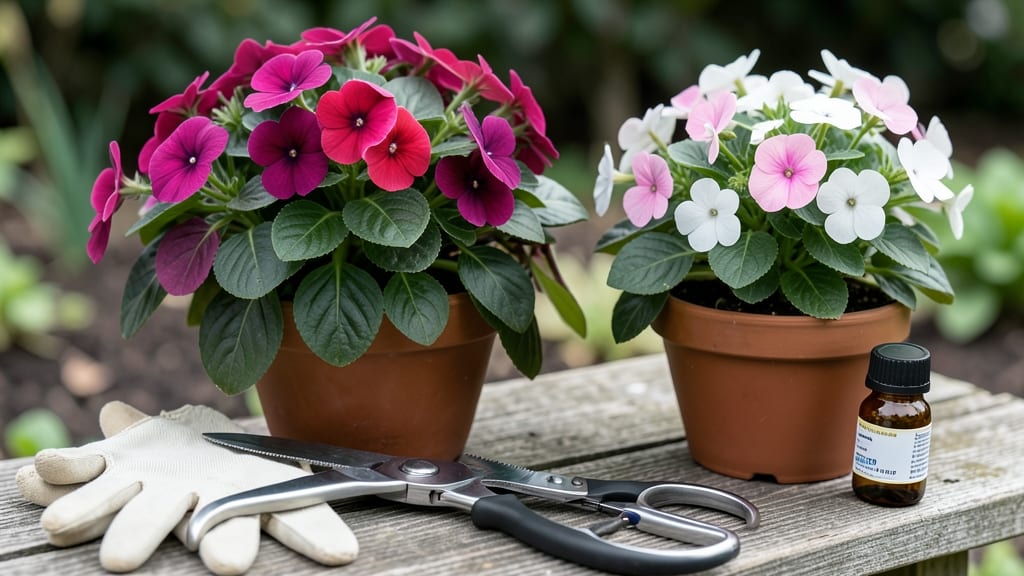
Your impatiens are growing tall but leggy? ✂️ This simple pruning trick transforms them into lush, bushy plants bursting with blooms—no green thumb required. The key is timing, technique, and a little extra food for the roots.
I’ve turned my once-skinny impatiens into vibrant, compact powerhouses using just three easy steps that work every season.
Start by pinching back the tips of young plants when they’re about 4-6 inches tall. This forces the plant to branch out instead of reaching upward. Use clean, sharp scissors or your fingers—no fancy tools needed.
For established plants, trim back leggy stems to just above a leaf node, and feed with a balanced fertilizer every 2-3 weeks to encourage new growth.
By mid-summer, you’ll see a dramatic difference: fuller foliage, more blooms, and a shape that looks like it belongs in a nursery display. The secret is consistency—prune regularly, keep the soil moist but not soggy, and avoid over-fertilizing, which can lead to weak, floppy growth instead of sturdy branches.
This method works for both container-grown and in-ground impatiens, and it’s perfect for beginners who want instant results. The best part? You’ll have nonstop color all season long—no bare stems in sight. Ready to give it a try?
📚 In This Guide
- What you need
- Instructions
- Tips and common mistakes
- Wrapping up and next steps
What you need
- ● Impatiens plants: Healthy, established plants (at least 6–12 inches tall) with visible leggy growth or sparse blooms.
- ● Pruning shears: Sharp, clean bypass pruners (sterilized with rubbing alcohol) to avoid damaging stems.
- ● Garden gloves: A pair of nitrile or leather gloves to protect hands from thorns or sap.
- ● Balanced fertilizer: A 10-10-10 or 20-20-20 NPK fertilizer (1 tbsp per gallon of water) or a slow-release granular fertilizer (follow label instructions).
- ● Watering can or hose: With a gentle spray nozzle to avoid disturbing soil.
- ● Compost or organic mulch: 1–2 inches of well-aged compost or shredded bark to retain moisture and nutrients.
- ● Rooting hormone: For propagating cuttings (if you plan to grow new plants from pruned stems).
- ● Epsom salt: 1 tbsp per gallon of water (monthly) for magnesium boosts, especially in clay soil.
- ● Plant support: Small stakes or cages if your impatiens are top-heavy after pruning.
- ● Fungicide: Copper-based or neem oil spray to prevent disease if pruning in humid conditions.
Step-by-Step instructions for pruning and feeding impatiens
Here’s how to coax those lush, bushy impatiens you’ve always wanted—no guesswork, just proven techniques.
🌿 Step 1: Pinch Back Young Plants Early
Start when your impatiens are about 4-6 inches tall—this is the magic window for shaping growth. Use clean fingers or small pruning shears to pinch off the top set of leaves just above a leaf node (where new branches form). You’re essentially telling the plant, “Grow wider, not taller.”
Don’t worry if it looks messy at first. Within 7-10 days, you’ll see new side shoots emerging from those pinched spots. This is your plant responding exactly how you want it to—bushier and fuller. If you skip this step, you’ll end up with tall, leggy stems and sparse blooms.
✂️ Step 2: Prune Regularly Throughout the Season
Every 2-3 weeks after the initial pinch, trim back the longest stems by about one-third to encourage branching. Focus on the outermost growth—this keeps the center from getting woody and bare. You’ll know you’re doing it right when you see multiple new leaves sprouting from the cut points within 10-14 days.
Use sharp pruners to make clean cuts at a 45-degree angle just above a leaf node. Avoid cutting into old wood (brown or woody stems)—new growth only comes from green, flexible stems. If you’re unsure, play it safe and cut back to the last set of healthy leaves.
💧 Step 3: Feed with Balanced Fertilizer During Blooming
Impatiens are hungry bloomers. Once flowers appear, switch to a balanced liquid fertilizer (like 10-10-10) every 2 weeks. Dilute it to half-strength to avoid burning tender roots—impatiens are sensitive to over-fertilizing. Water the soil first, then apply fertilizer to the damp soil surface, not the leaves.
You’ll notice a difference fast: more blooms and thicker foliage within 3-4 weeks. If leaves start yellowing between veins, that’s a sign of over-fertilizing—flush the soil with plain water and cut back on feedings. Impatiens thrive on consistency, not excess.
☀️ Step 4: Adjust Light and Water for Bushier Growth
Impatiens need morning sun and afternoon shade—too much direct sun scorches leaves, while too little light stretches stems. If your plants look leggy, move them to a brighter spot (but still protected from harsh afternoon rays). You’ll see shorter, stockier growth within 2 weeks of adjusting light.
Water at the base of the plant in the morning to keep soil evenly moist (but not soggy). Let the top ½ inch of soil dry out between waterings—this prevents root rot and encourages stronger stems. Avoid wetting leaves, as impatiens are prone to fungal issues in damp conditions.
🌱 Step 5: Deadhead and Prune for Continuous Blooms
Snip off spent flowers (those with wilted petals) as soon as you see them. This might seem counterintuitive—after all, why remove flowers?—but it redirects the plant’s energy to producing new blooms instead of seeding. Use your fingers or small scissors to pinch off flowers at the base of the stem.
Every 4-6 weeks, give your impatiens a light haircut—trim back the entire plant by one-third to remove leggy growth and encourage fresh, compact branches. You’ll be rewarded with a wave of new flowers within 2 weeks. This keeps your impatiens looking lush and full all season long.
Tips & tricks for perfect impatiens pruning
Here's what nobody tells you about keeping your impatiens full and flowering all season long.
Timing is Everything: Pinch back new growth when impatiens are just 4-6 inches tall—this is the critical window to shape their structure. I learned this the hard way after waiting too long and ending up with tall, leggy stems that never recovered. The 1-2 week wait for new shoots to emerge is worth it for that bushy, compact look. If you're unsure, pinch sooner rather than later—impatiens are forgiving but need consistent guidance.
The Pruning Technique: When shaping in Step 2, focus on creating an open center rather than a dense one. Trim back to 2 inches above soil level for the weaker stems, but leave those 3-4 strongest stems to anchor your plant. I use clean scissors to make precise cuts, and always remove any yellow or wilted leaves immediately—they're like magnets for fungal diseases. Think of it as giving your plant a spa day: less clutter means better airflow and more energy for blooms.
Fertilizer Strategy: That 2-3 week feeding schedule is non-negotiable for impatiens. I dilute my balanced liquid fertilizer to half strength to avoid burning roots, and always water deeply first. The 5-7 days it takes to see results is worth the patience—you'll notice leaves turning a richer green and new growth popping up everywhere. Stop feeding when temps drop below 50°F to protect tender roots, and switch to organic options like compost tea if you prefer chemical-free growing.
Light Management: The quarter-turn weekly rotation keeps your impatiens growing evenly, preventing that lopsided look. If your plants start stretching toward the light, they're telling you they need more morning sun but still crave afternoon shade. In winter, supplement with a grow light if natural light drops below 6 hours daily—this simple adjustment makes all the difference between sparse blooms and a floral explosion.
Pro Tips for Make Impatiens Bushy
- Here's what nobody tells you about keeping your impatiens full and flowering all season long.
- Timing is Everything: Pinch back new growth when impatiens are just 4-6 inches tall—this is the critical window to shape their structure.
- The Pruning Technique: When shaping in Step 2, focus on creating an open center rather than a dense one.
Frequently asked questions
Got questions about keeping your impatiens lush and blooming?
Here are answers to the most common ones—so you can grow a bushy, vibrant display with ease!
How often should I prune impatiens to keep them bushy?
Prune impatiens lightly every 2–4 weeks during the growing season (spring to fall). For a fuller look, pinch back the tips of new growth when they’re about 6 inches tall. Avoid heavy pruning—just trim spent blooms and leggy stems to encourage branching. Think of it like giving your plant a haircut to stay shaped!
When is the best time of day to prune impatiens?
Prune in the morning when the plant is hydrated and temperatures are mild. This reduces stress and gives your impatiens time to recover before evening. Avoid pruning on hot afternoons or during extreme weather—your plant will thank you with healthier, bushier growth!
What if my impatiens look leggy even after pruning?
Leggy impatiens often mean they’re not getting enough light. Move them to a spot with bright, indirect sunlight (4–6 hours daily). If indoors, supplement with a grow light. Also, check if they’re root-bound—repotting into a slightly larger container can encourage fuller growth. A little extra TLC goes a long way!
Can I use regular houseplant fertilizer for impatiens?
Yes! Use a balanced, water-soluble fertilizer (like 10-10-10 or 20-20-20) diluted to half-strength every 2–4 weeks during the growing season. For extra bushiness, switch to a higher-phosphorus fertilizer (e.g., 10-30-20) to boost blooming. Always water before fertilizing to avoid root burn.
How do I revive an over-pruned impatiens?
If you’ve trimmed too much, don’t panic! Focus on care, not cuts:
- Move to bright, indirect light.
- Water consistently (keep soil evenly moist but not soggy).
- Fertilize lightly with a balanced formula to encourage regrowth.
- Pinch back any new growth at the tips to promote bushiness.
Wrapping up and next steps
Growing lush, bushy impatiens is all about consistent care and a little patience—but trust us, the vibrant blooms are worth it! 🌸 By mastering pruning, fertilizing, and light management, you’ll turn those leggy stems into a thriving, full garden star.
Start small, stay consistent, and soon your impatiens will be the envy of the neighborhood.
Ready to take it further? Experiment with varieties or try container gardening for even more control over their growth. Happy planting!