
How To
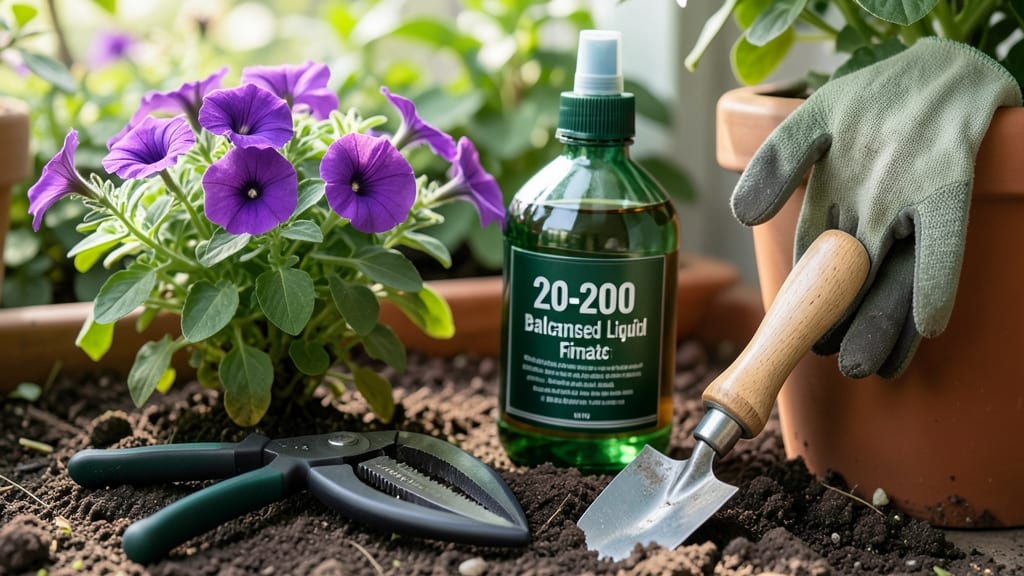
How to make petunias fuller starts with a simple trick: pinching their stems early to turn leggy plants into dense, bushy blooming machines. 🌸 I’ve watched my once-sparse petunias transform into lush, overflowing mounds just by following this simple routine—no fancy fertilizers or chemical tricks required. The key? Encouraging the plant to branch out by cutting back growth at the right time and giving it the care it craves.
You’ll need sharp pruners (or even clean scissors), a sunny spot with at least 6 hours of light daily, and a balanced fertilizer—organic options work perfectly.
The real magic happens when you start pinching off the top sets of leaves when plants are 6-8 inches tall, forcing the energy into side shoots instead of just vertical growth. It’s a game-changer for petunias that look more like twigs than blooming bushes.
By midseason, your petunias will reward you with thicker foliage and nonstop flowers—the kind that spill over containers and fill your garden with color. The best part? This method works for both annuals and perennials, and it’s so simple even beginner gardeners see results in just a few weeks.
No more sad, sparse stems—just vibrant, full petunias that steal the show.
Fair warning: Over-pruning can stress plants, so aim for 10-20% of the plant’s height at a time. And if you’re growing in containers, choose varieties bred for bushiness—like ‘Wave’ or ‘Supertunia’—for the most dramatic results. Trust the process, and your petunias will thank you with blooms that never quit.
📚 In This Guide
- What you need
- Instructions
- Tips and common mistakes
- Wrapping up and next steps
What you need
- ● Petunias: Healthy, established plants (either in containers or garden beds). Aim for at least 6-12 plants if you want a noticeable impact!
- ● Pruning shears or sharp scissors: Clean, sterilized tools to avoid spreading disease. Bypass pruners (4-6 inches long) work best for precision.
- ○ Gloves (optional but recommended): Protect your hands from thorns or rough stems. Nitrile or leather gloves are ideal.
- ○ Garden twine or plant ties (optional): For supporting leggy stems post-pruning. 1-2 feet per plant should suffice.
- ● Balanced fertilizer (5-10-5 or 10-10-10): 1 tbsp per plant after pruning to encourage regrowth. Look for low-nitrogen options to promote blooms over foliage.
- ● Watering can or hose with a gentle spray nozzle: For hydrating plants post-pruning. Avoid soaking the stems to prevent rot.
- ● Compost or mulch: 1-2 inches around the base to retain moisture and nutrients.
- ○ Plant growth regulator (optional): Like Paclobutrazol, to slow leggy growth if your petunias are overly tall.
- ● Garden journal: To track pruning dates and plant responses for future reference!
Step-by-Step instructions for pinching and pruning petunias
Here’s how I transform leggy petunias into lush, bushy powerhouses—no fancy tools required.
🌱 Step 1: Identify the Right Time to Pinch
Wait until your petunias have grown 4-6 inches tall and developed 4-6 sets of true leaves—this is when they’re strong enough to branch out. Pinching too early stresses young plants, while waiting too long means they’ll grow tall and spindly before you can encourage bushiness.
Look for the top set of leaves just below where new growth begins. This is your pinch point—it’s where the plant will naturally send out new side shoots. Use clean, sharp scissors or your fingers to remove the top growth cleanly. The goal isn’t to cut back drastically but to encourage the plant to focus energy on lateral branches.
✂️ Step 2: Pinch Back the Main Stems
Gently grasp the main stem just above a set of leaves (about ¼ inch above the leaf node). Pinch off the top 1-2 inches of growth—this removes the terminal bud, which signals the plant to produce side shoots instead. You’ll see small buds forming along the stem within 7-10 days if conditions are right.
Don’t worry if it looks like you’re hacking the plant—petunias are resilient, and this pruning triggers a growth spurt. If you’re working with 4 plants, repeat this process on each one. Avoid pinching in extreme heat or direct sunlight; choose a cool morning for the least stress on the plant.
☀️ Step 3: Provide Ideal Growing Conditions After Pinching
After pinching, move your petunias to a spot with bright, indirect light for 3-5 days to help them recover. Too much direct sun right after pruning can stress the plant and slow down new growth. Once new shoots appear, gradually reintroduce full sun (6+ hours daily)—this is when they’ll really start to bush out.
Water deeply at the base every 2-3 days, ensuring the soil stays evenly moist but not soggy. Overwatering can lead to root rot, while underwatering causes stress that stunts new growth. You’ll know you’re doing it right when the soil feels damp 1 inch below the surface and the leaves stay vibrant green.
🌿 Step 4: Encourage Bushiness with Regular Pruning
Once your petunias start branching, keep pruning to maintain shape and encourage more blooms. When side shoots reach 3-4 inches tall, pinch them back again to promote even fuller growth. This creates a multi-tiered bush rather than a single tall stem with a few flowers.
Use your fingers or clean scissors to trim just above a leaf node—this prevents the plant from developing long, bare stems. Deadhead spent blooms weekly to redirect energy into new flowers instead of seed production. With consistent pruning, your petunias will fill out beautifully in 4-6 weeks, producing a dense, blooming mound.
⏰ Step 5: Monitor and Adjust for Continuous Blooms
Check your petunias weekly for signs of legginess or sparse growth. If stems start stretching toward the light, it’s time for another round of pinching. In late summer, reduce pruning slightly to allow the plant to set buds for fall blooms—petunias often reward patience with a second flush of flowers.
Fertilize lightly with a balanced, water-soluble fertilizer (10-10-10) every 2-3 weeks after pinching to support new growth. Avoid heavy-handed feeding, which can lead to lush foliage but fewer blooms. Your goal is bushy, flowering plants, not leafy monsters.
Tips & tricks for bushier petunia blooms
These simple strategies will help your petunias transform from leggy to lush without the guesswork.
Timing is Everything: The 4-6 inch height guideline in Step 1 is crucial—this is when petunias have enough energy reserves to recover from pinching. I've seen beginners pinch too early (when plants are just 2-3 inches tall), which stresses them and stunts growth. Wait until you see that fourth or fifth set of true leaves, and you'll notice the difference in recovery time.
Precision Pinching Technique: When you pinch back those 1-2 inches in Step 2, aim for a clean cut just above a leaf node. This is where the plant's growth hormones (called auxins) concentrate, and removing the terminal bud signals the plant to produce side shoots. Use your thumb and forefinger for a clean pinch—no need for fancy pruners unless you're working with very thick stems.
Light Management After Pruning: That 3-5 day period of bright, indirect light in Step 3 is your plant's recovery window. Too much direct sun during this time can cause sunburn on fresh growth. I've found that placing plants under a sheer curtain or in a shaded patio area works best. Once new shoots appear (usually within 7-10 days), you can gradually reintroduce full sun.
Watering Wisdom: The "evenly moist but not soggy" guideline in Step 3 is harder to judge than it sounds. I recommend the finger test: Stick your finger about an inch into the soil—it should feel like a damp sponge, not a wet rag. Overwatering after pruning can cause root rot, while underwatering stresses the plant when it's already recovering from the pinch.
Pro Tips for Make Petunias Fuller
- These simple strategies will help your petunias transform from leggy to lush without the guesswork.
- Timing is Everything: The 4-6 inch height guideline in Step 1 is crucial—this is when petunias have enough energy reserves to recover from pinching.
- Precision Pinching Technique: When you pinch back those 1-2 inches in Step 2, aim for a clean cut just above a leaf node.
Frequently asked questions
Got questions about making your petunias fuller and bushier? You’re not alone! Here are some of the most common concerns—and their solutions—to help you grow lush, vibrant blooms with ease.
When is the best time to pinch and prune petunias for fuller growth?
Pinch back petunias in early spring (as soon as they’re 4–6 inches tall) to encourage branching. For container-grown petunias, you can also do a light trim in mid-summer to promote a second flush of blooms. Avoid pruning in fall—let them focus on blooming before winter!
How much should I cut back petunias to make them bushier?
When pinching, snip just above a set of healthy leaves (about ¼ inch above the leaf node). For pruning, cut back leggy stems by one-third to encourage denser growth. Never remove more than 30% of the plant at once—this can stress your petunias and slow recovery.
Can I use the cuttings from pruning petunias to grow new plants?
Root petunia cuttings in water or moist potting mix for 2–3 weeks. Use 4–6 inch stems with at least 2–3 leaf nodes. Place them in bright, indirect light until roots form, then transplant. It’s a great way to propagate free plants and expand your garden!
What should I do if my petunias look leggy or sparse after pruning?
Leggy growth often means they need more light or balanced fertilizer. Move them to a sunnier spot (petunias thrive in 6+ hours of sun) and feed with a low-nitrogen, high-phosphorus fertilizer to boost blooms. If pests like aphids are present, treat with neem oil or insecticidal soap.
Are there petunia varieties that naturally grow fuller without much pruning?
Yes! Varieties like ‘Wave’ petunias, ‘Supertunia’, or ‘Easy Wave’ are bred for spreading, bushy habits and require less aggressive pruning. They’re perfect for containers, hanging baskets, or ground cover with minimal effort. Check seed packets for “spreading” or “trailing” labels!
Wrapping up and next steps
Transforming your petunias into lush, full bloomers is easier than you think! With the right techniques—like pinching, pruning, and proper care—you’ll soon enjoy a vibrant, bushy display that steals the show. 🌸 Remember, consistency is key, and a little patience goes a long way.
Ready to see those blooms flourish? Grab your shears and get growing! Start with one plant this week and watch your garden thrive. Happy gardening! 🌱