
Neem Oil
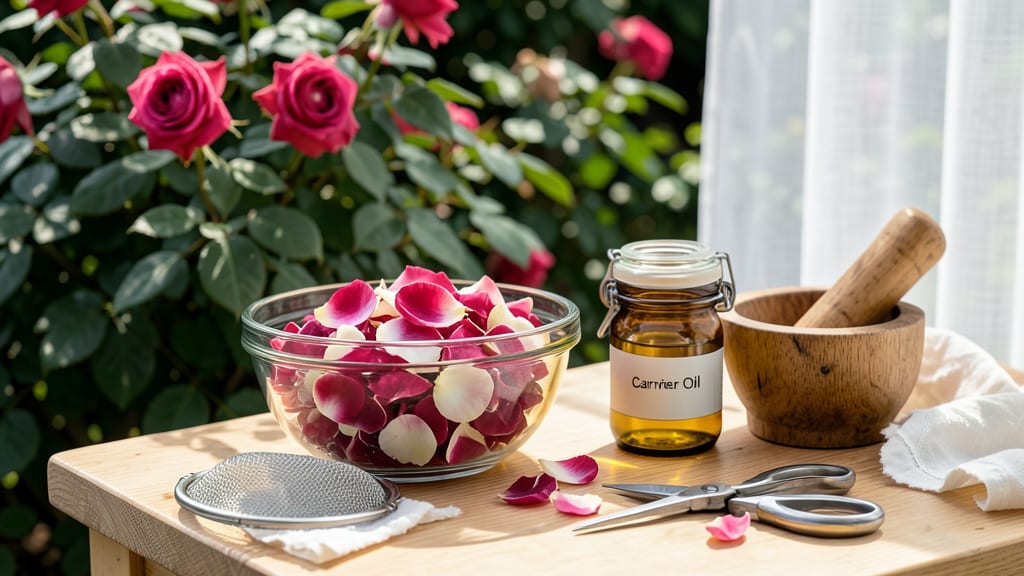
Your garden roses just became a luxury skincare goldmine. ✨ The secret to handcrafted rose oil starts with petals from your own bushes—no store-bought substitutes needed. I've made this same fragrant oil for years, and the difference between homemade and commercial?
Your roses know your soil, your climate, and your care. The process is simpler than you'd think: no fancy lab equipment, just fresh petals, a carrier oil, and patience.
You'll need about 2 cups of petals per ounce of finished oil, and the magic happens over 4-6 weeks of gentle infusion. The result? A velvety-scented oil packed with antioxidants, perfect for DIY perfumes or spa treatments.
Start with disease-resistant roses like 'David Austin' or 'Knock Out' for the best petal yield. Harvest petals early in the morning when their oils are most potent, and avoid any sprayed with pesticides. The payoff? A custom-scented oil that smells exactly like your garden in bloom.
Use it as a face mist, massage oil, or even a natural perfume base—your roses just got a whole new purpose. Ready to turn petals into luxury?
📚 In This Guide
- What you need
- Instructions
- Tips and common mistakes
- Wrapping up and next steps
What you need
- ● Fresh rose petals: 1 cup (about 100–120g) – Use organic, pesticide-free petals for the best quality. Darker roses (like Damask or Bourbon) yield richer oils.
- ● Carrier oil: ½ cup (120ml) – Choose a high-quality, odorless oil like sweet almond, jojoba, or grapeseed oil (avoid coconut oil—it solidifies at room temperature).
- ● Glass jar: 1 quart-sized (946ml) – A clean, airtight mason jar works perfectly. Avoid plastic or metal, as they can react with the oils.
- ● Fine-mesh strainer or cheesecloth: 1 piece – For filtering out petal debris after infusion.
- ● Dark glass bottles: 2–4 small (1–2 oz each) – Amber or cobalt glass preserves the oil’s potency by blocking light.
- ● Dropper or pipette: 1 – For precise pouring and bottling.
- ○ Labeling supplies: Small labels + marker – To note the date and oil type (e.g., "Rose Oil – [Date]"). 🎯 Optional (But Helpful!) Extras Food dehydrator or oven: To gently dry petals if fresh ones aren’t available (pre-drying reduces moisture, improving oil absorption).
- ● Double boiler or slow cooker: For a cold infusion method (gentler than heat).
- ○ Essential oil (optional): 2–3 drops of rose essential oil (post-infusion) to boost fragrance.
- ● Silica gel packets: Place one in the storage bottle to absorb excess moisture and extend shelf life.
Step-by-step instructions for making rose oil from petals
Here's the straightforward method I use to create luxurious rose-infused oil at home.
🌿 Step 1: Gather and Prepare Fresh Rose Petals
Collect 1 cup of fresh, organic rose petals—avoid treated flowers or those with pesticides. I prefer dark red or deep pink roses for their richest scent. Rinse the petals gently in cool water to remove any dirt or debris, then pat them completely dry with a clean towel. Wet petals won't infuse properly and can encourage mold.
Remove any green stems or leaves, as they can make the oil bitter. For the best results, use petals immediately after picking. If you must store them, lay them out on a paper towel in a single layer and refrigerate for up to 24 hours. Never freeze them—the cold can damage the delicate cell walls and reduce the infusion quality.
💧 Step 2: Choose and Prepare Your Carrier Oil
Select a high-quality, odorless carrier oil like sweet almond, jojoba, or grapeseed oil—these are gentle and won't overpower the rose scent. You'll need 1 cup of oil for every 1 cup of petals. Warm the oil slightly (to 100-110°F) by placing the bottle in a bowl of warm water—never microwave it, as heat can degrade the oil.
Pour the warm oil into a clean, heat-safe jar with a lid. Add the prepared petals, pressing them gently into the oil to ensure full contact. Fill the jar no more than ¾ full to allow room for expansion. Leave a 1-inch air gap at the top to prevent mold growth during the infusion process.
☀️ Step 3: Infuse the Petals in Sunlight
Place the jar in a spot where it will receive indirect sunlight for 4-6 weeks. A sunny windowsill is ideal, but avoid direct midday sun, which can overheat the oil and cause it to spoil. I like to place a small piece of parchment paper over the jar to block intense rays while still allowing light penetration.
Gently shake the jar once daily to distribute the petals evenly in the oil. You'll notice the oil turning a soft pink hue within the first week, and the scent will become stronger over time. If you see any mold developing (fuzzy spots or discoloration), discard the batch immediately—mold can form quickly in warm, moist conditions.
⏰ Step 4: Strain and Store the Finished Oil
After 4-6 weeks, strain the oil through a fine-mesh sieve or cheesecloth into a clean, dark glass bottle. Press the petals gently to extract every last drop of infused oil. Store the finished product in a cool, dark place—like a pantry or cabinet—to preserve its potency and freshness.
The oil will keep for up to 6 months if stored properly. You'll know it's ready when it has a rich, floral aroma and a light pink tint. Use it in perfumes, skincare, or as a luxurious room spray. If the scent fades over time, simply add a few drops of pure rose essential oil to revive it.
Tips & tricks for perfect rose oil infusion
Making rose oil at home is simpler than you think—just watch these small details for the richest, most fragrant results.
Petal Selection Matters: Dark red or deep pink rose petals contain the highest concentration of aromatic compounds. Avoid white roses—they have a much milder scent. For the best infusion, pick petals in the morning when their essential oils are most potent. If you're using store-bought petals, make sure they're labeled "organic" and pesticide-free—chemical residues can ruin the delicate flavor.
Oil Temperature Control: Warming the oil to just 110°F is crucial—it helps release the petals' natural oils without damaging them. Use a thermometer to monitor the temperature precisely. If the oil gets too hot, it can degrade and lose its ability to carry the rose fragrance properly. I like to place the bottle in a bowl of warm (not boiling) water and check it every few minutes until it reaches the right temperature.
Sunlight Strategy: The 4-6 week sunlight infusion period is non-negotiable for full flavor development, but location matters. Place your jar near a window that gets gentle morning sun and dappled afternoon light. Direct midday sun can overheat the oil and cause it to spoil. If you live in a very sunny climate, consider moving the jar to a slightly shaded spot during peak hours. The key is consistent, indirect light throughout the entire process.
Mold Prevention: That 1-inch air gap at the top of your jar isn't just about room for expansion—it's your first line of defense against mold. Check your jar daily during the infusion process. If you see any fuzzy spots or discoloration, discard the batch immediately. Mold can develop quickly in warm, humid conditions, and once it starts, it's impossible to salvage. Trust me, I learned this the hard way after ruining three batches!
Pro Tips for Make Rose Oil From Petals
- Making rose oil at home is simpler than you think—just watch these small details for the richest, most fragrant results.
- Petal Selection Matters: Dark red or deep pink rose petals contain the highest concentration of aromatic compounds.
- Oil Temperature Control: Warming the oil to just 110°F is crucial—it helps release the petals' natural oils without damaging them.
Frequently asked questions
Got questions about crafting your own rose oil?
Here are some common ones—and their answers—to help you infuse like a pro!
How long does it take for rose petals to infuse the oil?
The infusion process typically takes 4–6 weeks for optimal potency. Place the jar in a sunny spot (but not direct sunlight) and gently shake it every 2–3 days to speed up extraction. Patience is key—rushing can result in weak or bitter oil.
Can I use dried rose petals instead of fresh ones?
Yes! Dried petals work well, but they may yield slightly less oil. Ensure they’re completely dry (no moisture) to avoid mold. Store them in an airtight container until ready to use. For best results, crush them lightly before adding to the oil.
What’s the best carrier oil for rose oil?
Use a high-quality, light carrier oil like sweet almond, grapeseed, or jojoba. Avoid coconut oil (too thick) or olive oil (can turn rancid faster). Jojoba mimics rose oil’s consistency, making it a favorite for skincare blends.
Why does my rose oil smell weak or vinegary?
A weak scent often means the infusion time was too short or the petals weren’t fresh. A vinegary odor signals rancidity—discard it immediately. To prevent this, store the jar in a cool, dark place and use organic, unrefined oils.
How do I know when the oil is fully infused?
Your rose oil is ready when the petals lose their color and scent (usually 4–6 weeks). Strain the oil through cheesecloth or a fine mesh sieve. If it still smells faint, extend the infusion time by 1–2 weeks. Test a small amount on skin to confirm potency!
Wrapping up and next steps
Creating your own rose oil at home is a rewarding way to harness nature’s beauty—no fancy equipment or expertise needed! With just fresh petals, a carrier oil, and a little patience, you’ve unlocked a luxurious, handcrafted treasure.
Whether you’re gifting it or treating yourself, this DIY process lets you infuse your space with authentic, skin-loving aromatherapy.
Now that you’re ready to dive in, why not experiment further? Try blending your rose oil with lavender or chamomile for a custom scent, or explore other floral infusions like jasmine or hibiscus. Your journey into homemade aromatherapy is just beginning—happy crafting! 🌹✨