
How To
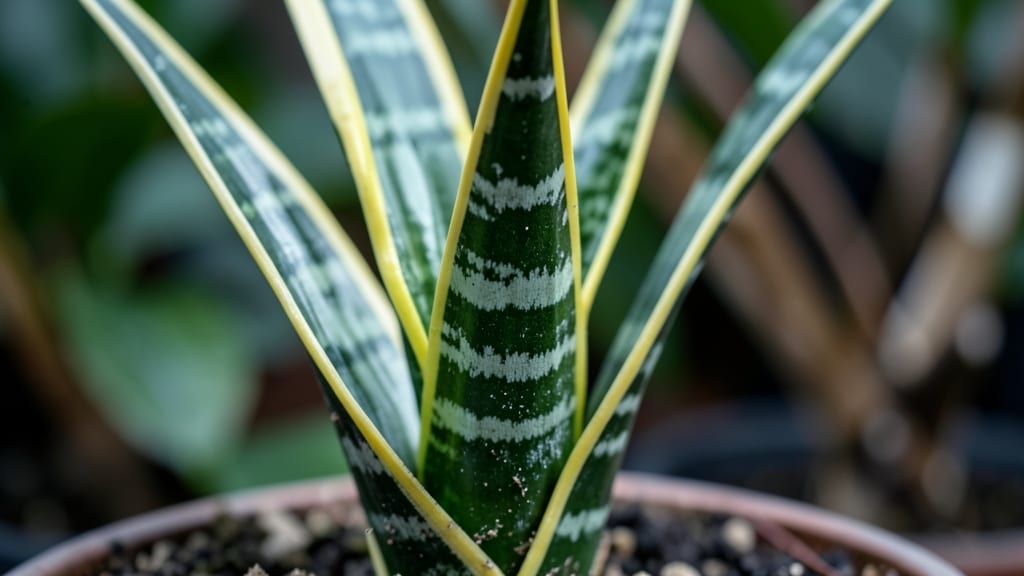
How to make snake plants grow tall—those vertical stems reaching for the ceiling? Here’s how to coax them upward. 🌱 I’ve nursed mine from stubby to sky-high by mastering just three key moves—light positioning, strategic watering, and a little patience. The secret isn’t forcing growth; it’s letting the plant stretch naturally toward its light source. Start by placing your snake plant in the brightest spot you can find—east or west-facing windows work best, but avoid harsh midday sun. Water only when the top 2-3 inches of soil feel bone-dry, and use a well-draining mix to prevent root rot. A light fertilizer in spring and summer gives a gentle nudge without overfeeding. Within 3-6 months, you’ll see those leaves elongating toward the light, not just spreading outward.
📚 In This Guide
- What you need
- Instructions
- Tips and common mistakes
- Wrapping up and next steps
What you need
- ● Snake Plant (Sansevieria): Choose a healthy, mature plant (varieties like 'Laurentii,' 'Futura Superba,' or 'Hahnii' work well).
- ● Well-draining potting mix: 1 bag (5-10 quarts) of a cactus/succulent blend or add perlite/pumice (20-30%) to regular soil for aeration.
- ● Pot with drainage holes: 1 container (12-18 inches wide) with drainage—terracotta or ceramic works best. Pro tip: 💡 Upgrade to a slightly larger pot (1-2 inches wider) if repotting.
- ● Watering can with a narrow spout: 1 (to avoid overwatering and soil displacement).
- ● Bright, indirect light source: A south- or west-facing window, grow lights (LED or fluorescent, 12-16 hours/day), or a sunny spot (avoid harsh direct sun for variegated types).
- ○ Fertilizer (optional but helpful): Balanced liquid fertilizer (5-5-5 or 10-10-10 NPK), 1 bottle (16 oz).
- ● OR slow-release granules (like Osmocote), 1 small bag (1 lb).
- ○ Gloves (optional): 1 pair (snake plants can have sharp edges!).
- ● Pruning shears: 1 pair (for trimming dead leaves or propagating).
- ○ Humidity tray or pebbles (optional): 1 tray + pebbles (if your climate is very dry).
- ○ pH test kit (optional): 1 kit (ideal soil pH: 6.0–7.5).
- ○ Stakes or supports (optional): 1-2 bamboo stakes or small trellis (for top-heavy varieties like 'Futura Superba').
How to encourage snake plants to reach their full height
Snake plants thrive when you understand their natural growth patterns—here's how to coax those tall, striking leaves upward.
🌱 Step 1: Select the Right Light Exposure
Snake plants need bright, indirect light to grow tall and sturdy. Place your plant within 3-6 feet of an east-facing window or 4-8 feet from a south-facing window. Too little light causes slow, weak growth, while direct afternoon sun can scorch the leaves.
Watch for these signs: leaves growing toward the light mean you need to rotate the pot quarter-turn weekly to encourage even growth. If leaves appear pale or stretched, your plant needs more light—consider supplementing with a 12-inch LED grow light for 12-14 hours daily.
☀️ Step 2: Optimize Watering for Vertical Growth
Overwatering is the #1 reason snake plants stay stubby. Let the soil dry out completely between waterings—stick your finger 2 inches deep into the soil. If it feels dry, water thoroughly until liquid drains from the bottom. If it's still damp, wait 5-7 more days.
I use the "bottom-watering" method for snake plants: place the pot in a tray of water for 10-15 minutes to encourage deep root growth. This prevents surface moisture that leads to rot and helps the plant develop stronger, taller stems to support its own weight.
🪴 Step 3: Choose the Proper Container and Soil Mix
Snake plants grow tallest in pots with good drainage and airy soil. Use a container that's at least 12 inches deep—shallow pots restrict root development and stunt height. Terracotta works best because it breathes and prevents root suffocation.
Fill the pot with a mix of 50% cactus/succulent soil and 50% perlite or pumice. This lightweight blend prevents compaction and allows roots to spread downward, supporting taller growth. Repot every 2-3 years to refresh the mix—roots circling the pot will choke growth.
✂️ Step 4: Prune and Support for Maximum Height
Remove any yellow or brown leaves immediately with clean, sharp scissors to redirect the plant's energy upward. Never cut healthy leaves—this stresses the plant and triggers bushier (not taller) growth. Focus on removing only damaged foliage from the bottom third of the plant.
For exceptionally tall varieties like 'Laurentii', consider staking when leaves reach 18 inches. Use a 3-foot bamboo stake placed beside the plant and gently tie the tallest leaves to it with soft twine. This prevents leaning and encourages vertical growth without artificial support.
⏰ Step 5: Maintain Seasonal Care for Consistent Growth
During spring and summer, snake plants grow most actively. Increase watering slightly—soil should dry 1-2 inches deep between waterings—but never let the pot sit in water. In fall and winter, reduce watering to every 3-4 weeks as growth slows naturally.
Rotate the plant quarter-turn monthly to prevent leaning. You'll notice leaves growing toward the light—this is your cue to adjust placement. Fertilize lightly with a balanced 10-10-10 solution diluted to half-strength every 3 months during active growth. Too much fertilizer causes weak, leggy growth.
Tips & tricks for perfect snake plant growth
Here's what nobody tells you about getting those dramatic vertical leaves—these are the secrets that make all the difference.
Light Exposure Strategy: The 12-14 hours of supplemental grow light in Step 1 isn't just about extra light—it's about mimicking the long daylight hours snake plants experience in their native habitat. Position your grow light so it's about 12 inches above the plant's tallest leaves. I've seen dramatic height differences when plants get consistent light exposure during their natural growth cycle, especially in winter months when daylight is shorter.
Watering Technique: That 10-15 minute bottom-watering session in Step 2 does more than just hydrate—it trains your plant's roots to grow deeper. The key is to only do this when the soil is completely dry 2 inches down. I've ruined several snake plants by watering on schedule rather than by feel. Pro tip: Use a moisture meter to track soil dryness—these inexpensive tools show you exactly when it's time to water.
Container Depth Matters: The 12-inch minimum depth requirement in Step 3 isn't arbitrary—it gives roots the space to grow downward rather than outward. I recommend upgrading to larger pots gradually rather than all at once. When repotting, choose a container that's only 2-3 inches larger in diameter than your current pot. This prevents the plant from focusing energy on filling the extra space instead of growing taller.
Pruning Precision: When you're removing those yellow leaves in Step 4, be strategic about where you cut. Always make your cuts just above a leaf node (the little bump where leaves grow out). This encourages new growth from that node, which will naturally grow upward. I've noticed that plants pruned this way develop noticeably taller leaves within 3-4 months compared to those that are just trimmed randomly.
Pro Tips for Make Snake Plants Grow Tall
- Here's what nobody tells you about getting those dramatic vertical leaves—these are the secrets that make all the difference.
- Light Exposure Strategy: The 12-14 hours of supplemental grow light in Step 1 isn't just about extra light—it's about mimicking the long daylight hours snake plants experience in their native habitat.
- Watering Technique: That 10-15 minute bottom-watering session in Step 2 does more than just hydrate—it trains your plant's roots to grow deeper.
Frequently asked questions
How much light do snake plants really need to grow tall?
Snake plants thrive in bright, indirect light (think east or north-facing windows). Direct sun can scorch leaves, while low light slows growth. If yours is stretching (leggy), move it closer to a light source—just avoid harsh afternoon rays. Pro tip: Rotate the pot every few weeks for even growth!
Why is my snake plant growing tall but skinny? How do I fix it?
Leggy snake plants usually signal light deprivation or overwatering. First, trim the tallest leaves at the base to encourage bushier growth. Then, relocate to a brighter spot (but no direct sun!) and let the soil dry completely between waterings. Yellow leaves? That’s a red flag—cut them back to redirect energy.
Can I use artificial grow lights to make my snake plant taller?
LED grow lights (12–14 hours/day) work great for indoor snake plants. Place them 6–12 inches above the leaves and adjust height as the plant grows. Opt for full-spectrum bulbs to mimic natural light. Just avoid keeping them on 24/7—snake plants need rest too!
How often should I fertilize a snake plant for better height?
Feed your snake plant sparingly—once every 2–4 months during spring/summer with a balanced, diluted fertilizer (half-strength). Over-fertilizing causes salt buildup, which stunts growth. Skip fertilizing in fall/winter when growth slows. Bonus: Use worm castings for a gentle, organic boost!
Will pruning my snake plant make it grow taller?
Pruning doesn’t directly make snake plants taller, but it encourages healthier growth! Trim yellow or damaged leaves at the base to redirect energy to new shoots. For height, focus on light exposure and proper spacing. If you want a bushier look, snip the tallest leaves just above a leaf node—new growth will sprout from there!
What’s the fastest way to grow a snake plant from a cutting?
Propagate snake plants by leaf cuttings:
- Snip a healthy leaf into 3–4-inch sections (no nodes = no roots).
- Let the cut ends callus over for 1–2 hours (prevents rot).
- Place in well-draining soil or water (change water weekly).
- Keep in bright, indirect light and mist occasionally.
- Roots form in 4–6 weeks—transplant when established!
Wrapping up and next steps
Growing tall, lush snake plants is all about patience, the right conditions, and a little extra care! By mastering bright, indirect light, optimizing your watering routine, and giving them space to thrive, you’ll soon see those stunning vertical stripes reaching for the sky. 🌿✨
Ready to watch your snake plant stretch its potential? Start by monitoring its growth and adjusting care as needed—soon, you’ll have a striking, towering centerpiece that’s the envy of every plant lover! 🌱💚