
Tools
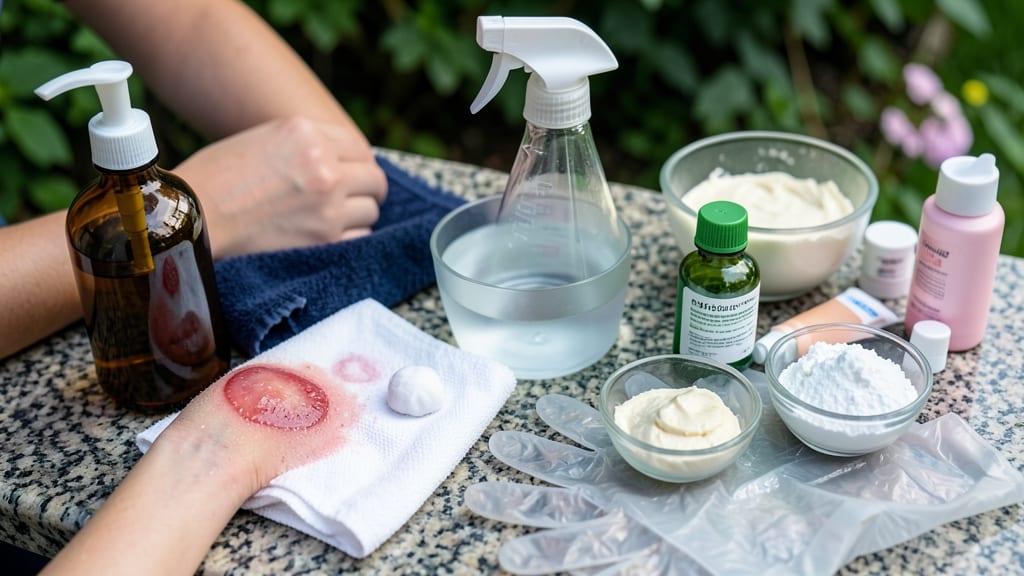
To neutralize jalapeño burn on skin, rinse immediately with cold water, then apply a thick layer of plain yogurt, honey, or milk to counteract capsaicin. Avoid touching your eyes and wash hands thoroughly to prevent spreading the burn.
That burning sensation comes from capsaicin—the same compound that makes jalapeños spicy—binding to your skin's nerve receptors. 🔥 Cold water helps wash away surface oils, while dairy products or honey work by raising the skin's pH and disrupting the chemical reaction.
I've found that plain yogurt is my go-to because it's gentle yet effective, but honey works well for longer-lasting relief. The key is acting fast—within 30 seconds—to prevent the burn from spreading.
For extra stubborn cases, a baking soda paste can help neutralize the capsaicin even faster. Just mix a little water with baking soda to form a paste and gently rub it on the affected area.
Always remember: never use hot water, as it can actually intensify the burn by opening your pores further.
💡 In This Article
- Why Jalapeño Burns Your Skin and How Capsaicin Works
- Best Household Remedies to Stop Jalapeño Skin Burn Fast
Why jalapeño burns your skin and how capsaicin works
The fiery sensation from jalapeños comes from capsaicin, a chemical compound that binds to TRPV1 receptors on your skin's nerve endings. These receptors are designed to detect actual heat, so when capsaicin activates them, your brain interprets the signal as intense heat—even though no real temperature change occurs.
The burn persists because capsaicin molecules are lipid-soluble, meaning they dissolve in skin oils and penetrate deep into nerve tissues. 🔥
Capsaicin's molecular structure is what makes it so stubborn. It has a long hydrophobic tail that embeds into cell membranes, while its polar head interacts with the TRPV1 receptor's binding site. This dual-action creates a strong, prolonged signal that tricks your nervous system into perceiving pain.
Studies show that capsaicin can remain active on skin for up to 30 minutes if not properly neutralized, which explains why that burning feeling lingers even after washing.
The key to relief lies in disrupting this chemical interaction. Dairy products like milk or yogurt work because their fat molecules bind to capsaicin, physically removing it from your skin. The protein casein in dairy also raises the skin's pH, which weakens capsaicin's ability to activate TRPV1 receptors.
This is why rubbing milk on your hands after chopping peppers is a chef's secret—it's not just folklore, it's actual chemistry at work. 💛
Honey takes a different approach by creating a protective barrier. Its high sugar content draws moisture away from the skin, which helps dilute and wash away capsaicin residues. Additionally, honey's natural antibacterial properties prevent secondary irritation from scratching or rubbing the affected area.
The viscosity of honey also means it stays in place longer, providing extended relief compared to water alone.
What most people don't realize is that water alone only removes about 20-30% of surface capsaicin. Cold water helps by preventing pore dilation (which hot water would cause), but it doesn't neutralize the chemical—it just washes away some of it.
This is why combining cold water with a neutralizing agent like yogurt or honey is so much more effective. The fat molecules in dairy create a micelle structure that encapsulates and removes capsaicin from the skin's surface.
For those with sensitive skin, it's important to note that some neutralizing agents can cause additional irritation. For example, while baking soda is effective at raising pH, its alkaline nature can be harsh on broken skin.
Always patch-test remedies on a small area first, especially if you have eczema or other skin conditions. The goal is to neutralize the burn without creating a new one! ✨
Understanding this chemical process helps explain why some remedies work better than others. For instance, alcohol-based products actually make the burn worse—they dissolve capsaicin into your skin, spreading it deeper into nerve endings. Always opt for fat-based or pH-neutralizing solutions instead. 🌟