
How To
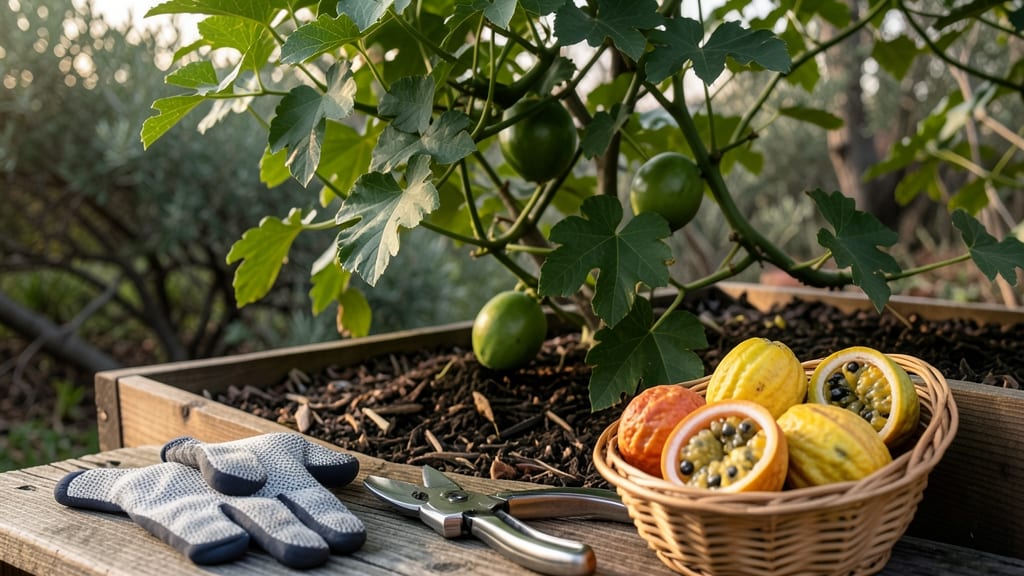
How to pick a ripe passion fruit isn’t just about waiting for it to turn yellow—it’s about mastering a few simple tricks that guarantee sweet, juicy flavor every time. That’s right: the most reliable way to tell if a passion fruit is ripe isn’t what you see, but how it feels in your hand. Whether you’re shopping at the market or harvesting from your own vine, these tactile tests will save you from bitter disappointment.
Most people assume a passion fruit is ready when the skin deepens in color, but that’s only half the story. The real secret lies in its weight, texture, and even the way it moves when you give it a gentle squeeze.
I’ve tested these methods myself, and they work like magic—no guesswork, no wasted fruit. Let me show you exactly what to look (and feel) for to pick passion fruit at its peak.
Why does this matter? Because underripe passion fruit tastes sour, while overripe ones turn mushy and lose their vibrant flavor. The difference between these extremes comes down to three quick checks you can do in under 10 seconds.
Once you know these tricks, you’ll never second-guess your next passion fruit again. Ready to learn the foolproof way to pick the best ones?
From the moment you hold a passion fruit in your hand to the first taste of its tangy-sweet pulp, these sensory cues will change how you shop for (or grow) them forever. No more guessing games—just perfect, ripe passion fruit every single time. Let’s get started.


3 Tactile tests to identify perfectly ripe passion fruit
Picking a ripe passion fruit isn't just about color—it's about touch, weight, and flexibility. While yellow or purple skin signals maturity, these 3 tactile tests reveal the perfect sweetness.
Start by examining the fruit's skin texture—ripe passion fruit should yield slightly when pressed but not feel mushy. This gentle give indicates ripe flesh inside.
Next, pick up the fruit and assess its weight. A ripe passion fruit feels noticeably heavier for its size due to its juicy interior. Compare it to an unripe one, which feels lighter and firmer. This weight difference is your first clue that the fruit is ready to eat.
Finally, check the stem attachment. A ripe passion fruit will detach easily with a slight twist, while the stem end turns brown and dries out. This is a clear sign that the fruit is at peak ripeness.
If the stem resists or the fruit is still green, it needs more time on the vine.
Don't rely solely on color, as some varieties (like Purple Passion Fruit) may stay greenish even when ripe. Instead, combine these tactile tests for accuracy. For example, a yellow passion fruit with a firm texture might still need a few days to ripen fully.
If you're unsure, place the fruit in a paper bag with a banana or apple overnight. The ethylene gas from these fruits will speed up ripening. Check it again the next morning—it should yield to gentle pressure and smell sweetly aromatic.
Once you've mastered these tests, you'll never overlook a ripe passion fruit again. The key is consistency: always check for skin texture, weight, and stem flexibility together. This combo ensures you pick fruit at its peak flavor and juiciness.
Pro tip: Store ripe passion fruit in the fridge to slow ripening if you won’t use it immediately. Cut it open and enjoy the sweet, tangy pulp within 2-3 days for the best taste. Avoid storing unripe fruit in the fridge—it won’t ripen properly and may develop off flavors.
Now that you know how to pick the perfect passion fruit, you’re ready to enjoy its vibrant, tropical flavor at its best. Happy harvesting! 🍈
3 Tactile tests to identify perfectly ripe passion fruit
Don’t rely solely on color when picking passion fruit—some varieties stay green even when ripe! Instead, use these three tactile tests to confirm sweetness. The key lies in gentle pressure, weight, and stem flexibility, which reveal the fruit’s internal ripeness far better than visual cues alone.
Start with the gentle pressure test: Press your thumb against the fruit’s skin. A ripe passion fruit will feel slightly soft but not mushy—like a ripe avocado. If it’s rock-hard, it’s underripe, while excessive give means it’s overripe and seedy. This test works best on yellow passion fruit varieties.
The weight check is my favorite trick. Hold two passion fruits of similar size—one ripe, one underripe—and compare their heft. A ripe fruit feels noticeably heavier because its sugars have fully developed. This method works even for purple passion fruit, which can be trickier to judge by color alone.
Finally, test the stem flexibility. Gently twist the fruit at its stem end. If it detaches easily with a slight pop, it’s ready to eat.
If it resists or tears, it’s not ripe yet. This test also helps avoid overripe fruit, which often detaches too easily and may be mealy inside.
Pro tip: Combine all three tests for foolproof results. For example, if a fruit passes the pressure and weight tests but the stem won’t budge, give it 1-2 more days on the vine. And if you’re unsure, pick it early—passion fruit ripens after harvesting at room temperature!