
How To
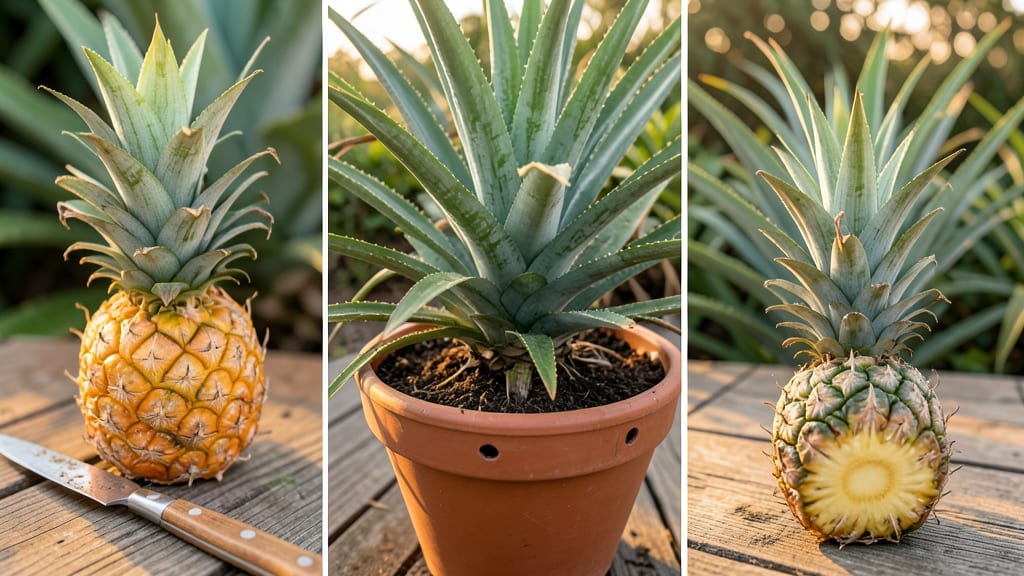
Knowing how to know when to pick a pineapple is the difference between a sweet, juicy reward and a disappointing, underripe fruit—especially when you’ve waited 18-24 months for that golden 🍍 to ripen.
Store-bought pineapples can’t compare to the flavor of one you’ve nurtured from a tiny crown, but only if you harvest it at the perfect moment.
Most gardeners assume ripeness means waiting for the fruit to turn bright yellow, but that’s just the beginning. The real secret lies in what you can’t see—like the subtle give of the fruit or the scent at its base.
I’ve tested these methods myself in USDA Zones 10-12 (or indoors in cooler climates), and they never fail to deliver a perfectly ripe pineapple every time.
Whether you’re growing your pineapple in a pot on a sunny balcony or in tropical soil, these 3 tactile tests will teach you how to feel (not just guess) when your pineapple is ready.
No more cutting into a rock-hard fruit or waiting too long for it to turn mushy—just a foolproof way to know it’s time to harvest.
Once you master these tricks, you’ll also discover how to store your pineapple to preserve its sweetness for weeks. Let’s get started—your taste buds will thank you.


3 Tactile tests to determine perfect pineapple ripeness
Picking a pineapple at the peak of ripeness transforms its flavor from bland to bursting with tropical sweetness. Unlike grocery store fruit, homegrown pineapples ripen on the plant, and your hands are your best tool.
Forget guessing by color—these three tactile tests will give you 100% accuracy every time.
The first test focuses on the leaf removal trick, a foolproof method used by tropical farmers. Simply pull back the bottom leaves to reveal the fruit’s base. If the skin underneath is golden-yellow or red (depending on your variety), it’s ready.
But here’s the kicker: the skin should also feel slightly soft when you press it gently with your thumb.
⚠️ CRITICAL: If the skin still feels hard or has green patches, wait 3-5 more days. Overripe pineapples become mushy and lose sweetness, so timing is everything.
Step-by-Step Tactile Tests for Pineapple Ripeness
The base flexibility check is where most gardeners go wrong. Many assume a hard pineapple is ripe, but that’s a common misconception. A ripe pineapple’s base should yield slightly under pressure, almost like pressing a ripe peach.
Use your thumb to press near the stem—if it feels springy but not hard, it’s perfect. Pro growers even say you can hear a faint hollow sound when tapped gently.
Don’t overlook the weight test, either. A ripe pineapple is surprisingly heavy for its size because it’s packed with juice. Grab two pineapples—one ripe and one unripe—and you’ll notice the difference instantly.
This test works even if the fruit looks ripe but feels light, which often happens in hot, dry climates where ripening slows.
For variety-specific tips, Queen pineapples (golden-yellow) ripen first, followed by Red Spanish (reddish). If you’re growing Smooth Cayenne, the most common variety, aim for a golden-yellow base with brown leaf tips. The leaves should also wither naturally—never pull them off forcibly, as this stresses the plant.
Timing matters most in tropical climates, where pineapples ripen year-round. In cooler zones, harvest in late summer or early fall when temperatures stay above 70°F (21°C). If your pineapple ripens in winter, move it to a sunny indoor spot to slow ripening until you’re ready to pick.
3 Tactile tests to determine perfect pineapple ripeness
Picking a pineapple at the right moment transforms it from a bland grocery store fruit to a juicy, sweet masterpiece straight from your garden. Unlike store-bought varieties, homegrown pineapples ripen based on physical cues—not just color.
Here’s how to tell when your pineapple is ready to harvest using three foolproof tactile tests that work every time.
First, examine the leaves at the base of the fruit. When 50% of the lower leaves turn brown and dry, it’s a strong sign the fruit is nearing ripeness.
These leaves naturally wither as the pineapple matures, so don’t panic if they look crispy—it’s part of the process! The remaining green leaves should still feel firm to the touch.
🌱 Step-by-Step Tactile Tests for Pineapple Ripeness
- Leaf Test: Twist off the lowest leaf. If it pulls away easily and the stem leaves a dry, brown base, the fruit is ready.
- Base Flex: Gently squeeze the fruit near the base. A ripe pineapple will feel slightly soft but not mushy—like a ripe avocado.
- Weight Check: Lift the pineapple. A ripe one feels heavy for its size due to high sugar content.
Next, test the fruit’s flexibility by gently pressing near the base. A ripe pineapple yields slightly under pressure but doesn’t feel mushy. Think of it like pressing a ripe peach—just enough give to know it’s ready.
If the fruit feels rock-hard or squishy, it’s either underripe or overripe. This test is especially critical for varieties like Sugarloaf, which can fool you with a deceptive exterior.
Finally, lift the pineapple to assess its weight. A ripe pineapple is surprisingly heavy for its size because of its high sugar and water content. If it feels light, it’s likely still developing.
Pro tip: Compare it to a store-bought pineapple—your homegrown one should feel noticeably denser and heavier when fully ripe.
Timing matters too. Pineapples ripen best when temperatures hover between 75-85°F during the day. If your climate is cooler, the fruit may take longer to ripen, so be patient. Once you’ve confirmed all three tests, harvest within 24 hours to lock in peak flavor and texture.
Now that you’ve mastered the tactile tests, you’ll never second-guess your pineapple again. The next time you’re tempted to pick based on color alone, remember: the best pineapples are the ones that feel as good as they taste! 🍍