
Picking
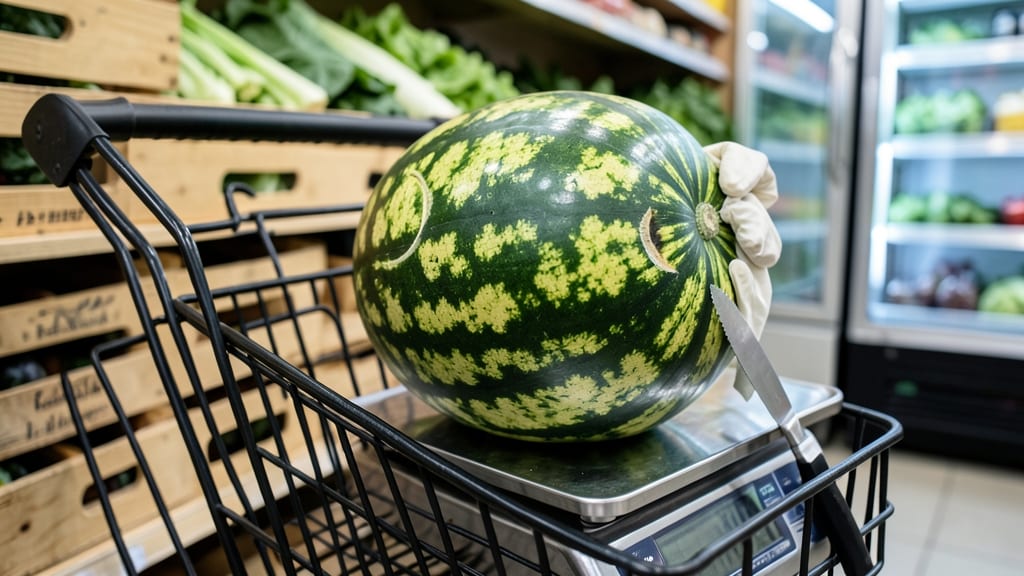
Picking the perfect watermelon at the store isn’t guesswork—it’s science. 🌱 I’ve cracked the code after years of bringing home mushy disappointments, and now I never leave without one that’s sweet, juicy, and ripe just right.
The secret lies in three simple checks: the field spot, the thump test, and the stem’s telltale signs.
Start by flipping the melon to find the field spot—that creamy-yellow patch where it rested on the ground. A ripe one will have a deep, creamy color with no green or white.
Then, give it a firm tap: a deep, hollow sound means it’s hydrated and ripe, while a dull thud signals overripe or underripe. Finally, check the stem—if it’s still attached, it’s fresher than one that’s been cut.
You’ll walk out with a melon that’s bursting with flavor, not one that’s rock-hard or mealy inside. This method works every time, whether you’re stocking up for summer picnics or saving seeds for next year’s garden. No more wasted trips or sad, unripe fruit.
For gardeners, this skill extends beyond the store—use the same checks when harvesting your own melons or selecting quality produce for composting. The same principles apply: color, sound, and stem condition are your best friends in the garden too.
📚 In This Guide
- What you need
- Instructions
- Tips and common mistakes
- Wrapping up and next steps
What you need
- ● 1-2 ripe watermelons – Choose from the store’s selection (obviously!)
- ● Your hands (clean and dry!) – For thumping, tapping, and checking spots
- ● Good lighting – Natural light (or bright store lighting) to inspect the field spot
- ○ A small notebook or phone – Optional but helpful for jotting down tips or comparing melons
- ● Magnifying glass (or phone camera zoom) – To closely inspect the field spot for texture and color
- ● Scale or weight estimation – A ripe watermelon should feel heavy for its size
- ● Paper towel or cloth – For wiping hands or the watermelon’s surface if needed
- ● Store receipt or loyalty card – To keep track of your perfect picks!
Tips & tricks for perfectly ripe watermelon selection
Here's what nobody tells you about picking watermelons that taste amazing every time.
The Heat Factor: Always pick watermelons when they've been sitting in the sun for at least 4-6 hours. The field heat helps ripen them fully. I've learned the hard way—melons brought in from shade or early morning often taste bland. Look for ones that feel warm to the touch, not cold from refrigeration.
Field Spot Inspection: The cream-colored spot where the watermelon sat on the ground (called the field spot) should be a pale yellow or light cream color. If it's white, the melon's underripe; if it's yellowish-brown or cracked, it's overripe. This spot is your best indicator of ripeness—don't skip checking it!
The Thump Test: When you thump a ripe watermelon, it should sound hollow but not too deep. A dull thump means it's underripe, while a booming sound often signals overripeness. I tap the side with my knuckles—not too hard, just enough to hear the echo. Pro tip: Thump near the field spot for the most accurate reading.
Pro Tips for Pick Ripe Watermelon At Store
- Here's what nobody tells you about picking watermelons that taste amazing every time.
- The Heat Factor: Always pick watermelons when they've been sitting in the sun for at least 4-6 hours.
- Field Spot Inspection: The cream-colored spot where the watermelon sat on the ground (called the field spot) should be a pale yellow or light cream color.
Frequently asked questions
Got questions about spotting the juiciest watermelon in the store? You’re not alone! Here are answers to the most common queries—so you can avoid the thud of disappointment and bring home a melon that’s sweet, ripe, and ready to slice.
How do I tell if a watermelon is ripe just by looking at it?
A ripe watermelon should have a dull, cream-colored field spot (the part that sat on the ground) and a slightly rough, matte rind. Avoid shiny or overly white spots—those often mean the melon was picked early or isn’t ripe yet. Also, check for a symmetrical shape; lopsided melons can be unevenly ripe.
Can I pick a ripe watermelon too early in the season?
Watermelons are harvested when ripe, but store-bought ones are often picked 10–14 days before peak ripeness to survive shipping. That’s why you need to rely on field spot, thump, and tap tests—not just the date on the vine. Early-season melons might need extra time to sweeten, so store them at room temp for a few days before cutting.
What if the watermelon is too hard when I thump it?
A hollow-sounding thump means it’s ripe, but if it’s dull or solid, the melon might be underripe. Don’t panic! Try storing it in a cool, dry place (like a pantry) for 3–5 days to let it ripen. Avoid refrigerating it yet—cold temps can turn the flesh mealy. If it’s still hard after a week, it’s best to return it.
Are seedless watermelons harder to pick than regular ones?
Not necessarily! Seedless watermelons ripen the same way—just use the same tests (field spot, thump, and tap). However, they’re often softer when ripe, so tap gently to avoid bruising. Pro tip: Seedless varieties tend to have a darker green rind with less yellow, so focus on texture and sound over color.
What do I do if the watermelon is ripe but has mold or soft spots?
Even the best-picked melons can have minor blemishes. Cut off any soft or moldy spots (at least 1 inch around the area) with a clean knife. The rest of the melon should be fine if the flesh is firm and the field spot test passed. Just refrigerate it immediately to slow spoilage—ripe watermelons last 1–2 weeks in the fridge.
Still unsure? Bring a small hammer or tap the melon discreetly at the store—confidence is key!
Wrapping up and next steps
Picking the perfect watermelon at the store is all about trusting your senses and a little insider know-how! With the thump test, field spot check, and stem inspection, you’ll never leave empty-handed again.
Next time you’re at the market, grab a melon, put these tricks to the test, and enjoy that sweet, juicy reward—no guesswork needed! 🍉✨
Now that you’re a watermelon pro, why not share these tips with a friend or try another fruit with your newfound confidence? Happy shopping!