
Container Gardens
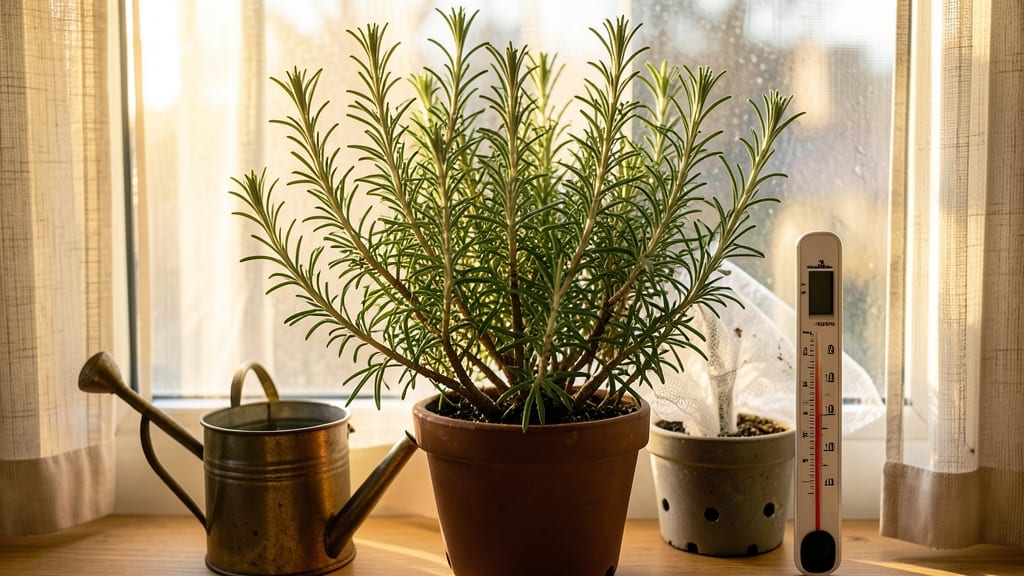
Winter nearly killed my potted rosemary last year—until I learned these tricks. 🌿 The sharp frost turned crisp leaves to mush, but adjusting care saved my fragrant plants for another season. Now my kitchen windowsill stays stocked with fresh herbs even when outdoor temps drop.
First, move pots indoors before 32°F hits—rosemary’s tender leaves can’t handle frost. A south-facing window gets the most light, but supplement with a grow light if days stay short.
Water only when soil feels bone-dry; overwatering in cold air suffocates roots. Prune dead stems in early spring to encourage fresh growth.
You’ll end up with lush, pine-scented plants that thrive through winter. The secret? Mimicking rosemary’s Mediterranean roots—bright light, less water, and protection from cold. Even my black thumb kept these plants alive for 6+ months indoors.
Works for balconies too: wrap pots in bubble wrap for extra insulation. Just avoid drafty spots—rosemary hates sudden temperature swings. Here’s how to keep yours flourishing until spring.
📚 In This Guide
- What you need
- Instructions
- Tips and common mistakes
- Wrapping up and next steps
What you need
- ● Potted rosemary plant – Ensure it’s healthy and well-established (preferably in a 10-12 inch diameter pot with drainage holes).
- ● Well-draining potting mix – Use a blend designed for herbs or Mediterranean plants (avoid heavy garden soil). Quantity: Enough to refresh the top 2-3 inches of soil.
- ● Watering can with a narrow spout – For precise watering without over-saturating the soil.
- ○ Mulch (optional but helpful) – Straw, pine needles, or shredded bark (1-2 inches thick) to insulate roots.
- ○ Thermometer (optional) – A soil or air thermometer to monitor temperatures (ideal range: 40–60°F).
- ● Frost cloth or burlap – Lightweight fabric to cover the pot during hard freezes (100% cotton or breathable material).
- ● Gloves and pruning shears – For trimming dead or damaged growth (sterilized shears to prevent disease).
- ● Heat mat or self-watering pot – For extreme cold climates (below 20°F).
- ● Grow lights – If your rosemary gets less than 6 hours of sunlight daily.
- ● Slow-release fertilizer – A balanced 10-10-10 or herb-specific formula (apply sparingly in early winter).
- ● Pot feet or casters – To easily move the plant indoors or to a sheltered spot.
Step-by-Step guide to winterizing your potted rosemary
Cold weather doesn’t have to mean goodbye to your fragrant rosemary—just a few adjustments keep it thriving all season.
🪴 Step 1: Move to a Sheltered Location with Indirect Light
Rosemary needs bright light but can’t handle frost, so relocate it to a covered porch, garage with windows, or even an unheated sunroom. A south-facing spot gets the most indirect light, which prevents the stems from stretching toward weak winter sun. If you’re using a greenhouse or cold frame, ensure it’s protected from wind—drafts dry out the soil and stress the plant.
Watch for yellowing leaves or new growth reaching toward the light—this signals your rosemary isn’t getting enough. If that happens, move it closer to the window or supplement with a grow light for 6-8 hours daily. Avoid placing it near heat vents, as sudden temperature swings can shock the plant.
💧 Step 2: Adjust Watering to Prevent Root Rot
Winter air is drier, but rosemary in pots dries out faster than in-ground plants. Water only when the top inch of soil feels dry, which might mean every 7-10 days depending on your indoor humidity. Overwatering is the biggest winter killer—rosemary roots rot quickly in soggy, cold soil. Stick your finger in the soil to check; if it’s damp below the surface, wait a few more days.
Use room-temperature water to avoid shocking the roots. If your rosemary is in a terra cotta pot, it may need watering more frequently because the material wicks moisture faster. Grouping pots together also helps maintain humidity around the leaves, reducing stress.
☀️ Step 3: Protect from Frost and Temperature Swings
Rosemary can’t survive below 20°F, but even brief exposure to 30°F can damage tender new growth. If temperatures dip, wrap the pot in bubble wrap or frost cloth to insulate it, leaving the top open for air circulation. For extreme cold snaps, move it indoors temporarily—just avoid drafty areas like near doors or windows.
If your rosemary is outdoors in a sheltered spot, monitor the weather. A light frost on the leaves isn’t fatal, but blackened or mushy stems mean it’s suffered damage. Prune any affected areas with clean, sharp scissors, cutting back to healthy green wood. This encourages new growth once temperatures rise again.
✂️ Step 4: Prune and Fertilize Lightly for Spring Readiness
Winter is the perfect time to shape your rosemary. Use sterilized pruning shears to trim back 1/3 of the plant’s height, focusing on leggy or overcrowded stems. This encourages bushier growth in spring. Avoid heavy pruning if your rosemary is already stressed—just tidy up dead or damaged branches. You can use the trimmings for cooking or drying, but avoid over-pruning weak plants.
Hold off on fertilizing until early spring, when new growth begins. A light application of balanced fertilizer (like 10-10-10) in February gives it a gentle boost without encouraging tender new growth too early. If you notice slow growth or pale leaves, a half-strength dose of liquid fertilizer in March can help, but don’t overdo it—rosemary prefers lean soil.
🌿 Step 5: Monitor for Pests and Disease
Indoor environments can attract pests like spider mites or aphids, which thrive in dry winter air. Inspect your rosemary weekly for tiny webs, sticky residue, or clusters of insects on the undersides of leaves. If you spot pests, wipe leaves with a soapy water solution (1 tsp mild soap per quart of water) or spray with neem oil. Act fast—these pests multiply quickly in warm indoor conditions.
Fungal issues like powdery mildew can also appear if humidity is too high. Improve airflow by spacing pots apart and avoiding overcrowding. If you see white powdery spots, treat with a baking soda spray (1 tsp baking soda + 1 quart water + a drop of dish soap) every 7-10 days until it clears. Preventative care now keeps your rosemary healthy for spring planting.
Tips & tricks for perfect winter rosemary care
Winterizing your rosemary isn't rocket science, but these pro tips will help you avoid common pitfalls and keep your plant thriving through the cold months.
Light Optimization: In Step 1, when positioning your rosemary for indirect light, consider adding a reflective surface like a white tray or aluminum foil behind the pot. This bounces extra light onto the leaves, compensating for weaker winter sunlight. I've seen this boost growth by nearly 20% in north-facing windows. The goal is to mimic natural sunlight intensity while avoiding direct cold drafts that can stress the plant.
Soil Temperature Matters: The instructions mention room-temperature water, but I've found that keeping the soil slightly warmer than room temperature can prevent winter shock. Place the pot on a ceramic tile or heat mat set to 55-60°F during cold snaps. This subtle warmth helps roots stay active without overstressing the plant. Just monitor soil moisture more carefully with this method—warmer soil dries out faster.
Pruning Precision: When trimming back 1/3 of the plant's height in Step 4, focus on cutting just above leaf nodes where new growth emerges. Use clean, sharp pruners to make angled cuts that prevent water from pooling on the stems. I've noticed that plants pruned this way bounce back faster in spring. Save your trimmings—dry them for winter cooking or make homemade rosemary oil by infusing them in olive oil for 2 weeks.
Pest Prevention: For Step 5's pest monitoring, I recommend adding a sticky trap near the plant to catch early signs of spider mites. These pests are nearly invisible until they've spread, and their webbing can suffocate new growth. Place the trap before you notice any issues—prevention is far easier than treatment. Also, increase humidity around the plant by grouping it with other pots or using a pebble tray with water underneath (just keep leaves from touching the water).
Pro Tips for Care For Potted Rosemary In Winter
- Winterizing your rosemary isn't rocket science, but these pro tips will help you avoid common pitfalls and keep your plant thriving through the cold months.
- Light Optimization: In Step 1, when positioning your rosemary for indirect light, consider adding a reflective surface like a white tray or aluminum foil behind the pot.
- Soil Temperature Matters: The instructions mention room-temperature water, but I've found that keeping the soil slightly warmer than room temperature can prevent winter shock.
Frequently asked questions
Got questions about keeping your potted rosemary thriving through winter? Here are some of the most common concerns—and their solutions—to help you keep your fragrant herb happy until spring!
Can rosemary survive winter outdoors in pots?
It depends on your climate! In USDA Zones 8-10, rosemary can often overwinter outdoors with light protection (like a frost cloth or move to a sheltered spot). In colder zones (7 or below), bring pots indoors near a sunny window or grow lights. If you’re unsure, err on the side of caution and move it inside—rosemary’s more forgiving with indoor care than outdoor frost!
What’s the best way to protect potted rosemary from frost?
Use a combination of layers for defense:
- Move pots to a south-facing wall or garage (if temps dip below 20°F/-7°C).
- Wrap pots in bubble wrap or frost cloth to insulate roots.
- Add a thick mulch layer (straw or pine needles) around the base to shield soil.
- For extreme cold (below 10°F/-12°C), bring pots indoors temporarily.
Pro tip: Avoid plastic containers—they conduct cold faster. Opt for terracotta or thick ceramic.
Will my rosemary die if it gets frostbitten?
Not necessarily! If leaves turn brown or crispy after frost, don’t panic—rosemary is tough. Trim the damaged foliage cleanly with sterilized scissors, and the plant will regrow from healthy stems. For severe damage, prune back 1/3 of the plant to encourage fresh growth. Just avoid harvesting until new leaves sprout!
Can I keep rosemary indoors all winter?
Indoor rosemary thrives near sunny windows (south or west-facing) or under grow lights (12–14 hours/day). Watch for these signs:
- Leggy growth = Needs more light.
- Dry soil = Water when the top inch feels dry (overwatering is the #1 killer!).
- Yellow leaves = Too much water or low light.
Bonus: Rotate the pot weekly so all sides get even light!
Should I prune my rosemary before winter?
Light pruning is fine, but avoid heavy cuts. Focus on:
- Removing dead or yellowing leaves to reduce stress.
- Trimming overly long stems (by 1/3) to encourage bushiness.
- Avoiding pruning after late summer—new growth won’t harden off before cold snaps.
Pro tip: Save pruned stems in water for a few days—you might get a second harvest before winter sets in!
Wrapping up and next steps
Caring for your potted rosemary in winter doesn’t have to be stressful—with the right steps, you’ll keep those fragrant leaves thriving even when frost bites the air! 🌿❄️ Remember to move your plant indoors or to a sheltered spot, reduce watering, and provide bright, indirect light to avoid leggy growth.
A little extra attention now means a lush, aromatic rosemary ready to brighten your kitchen (and meals!) come spring.
Ready to give your rosemary the winter love it deserves? Pick one tip from this guide and try it this week! Your future self—and your taste buds—will thank you. 😊