
Container Gardens
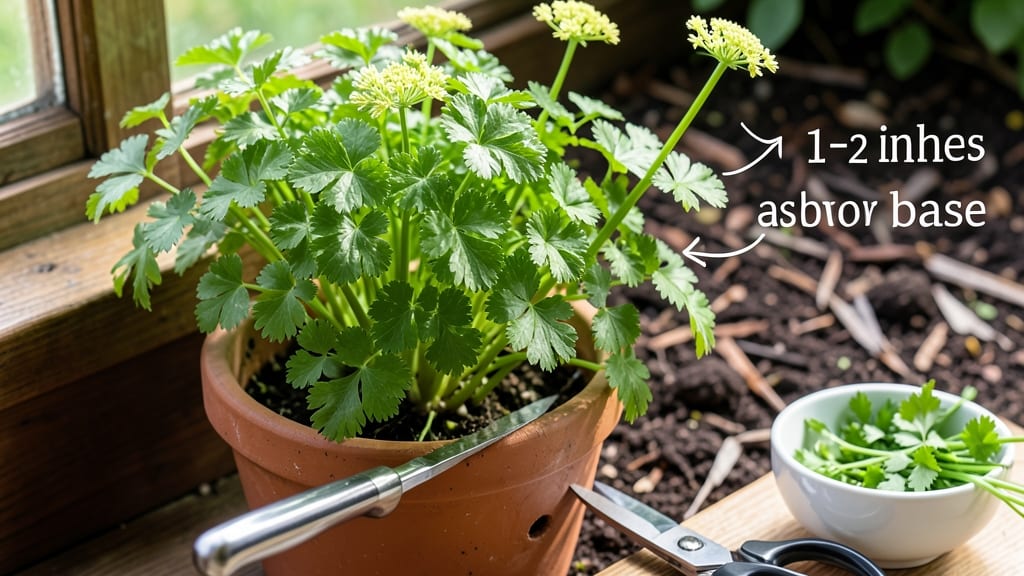
How to cut parsley so it keeps growing turns a single plant into a year-round harvest machine. ✂️ I’ve watched my parsley go from sad, scraggly stems to vibrant green bushes by mastering this one simple technique—no fancy tools or secret fertilizers needed. The key is timing and technique: harvest outer stems when they’re 4-6 inches tall, leaving at least 2-3 inches of growth. Cut just above a leaf node (where leaves meet the stem) to encourage new shoots. Do this every 2-3 weeks, and you’ll have fresh parsley for months—even in winter if you grow it indoors. Your plant will reward you with thicker, bushier growth and a longer harvest season. The secret? Never trim more than one-third of the plant at once, and always cut from the outside in to maintain the center’s strength. This works for both flat-leaf and curly parsley, whether in containers or garden beds. Ready to turn that single plant into a parsley powerhouse?
📚 In This Guide
- What you need
- Instructions
- Tips and common mistakes
- Wrapping up and next steps
What you need
- ● Sharp pruning shears or kitchen scissors – A clean, sterilized pair (alcohol wipe works!) to avoid spreading disease. Size: Small, precise blades (3-4 inches) for clean cuts.
- ● Fresh parsley plant – A healthy, well-established plant (4-6 inches tall) in a pot or garden bed. Varieties: Italian (flat-leaf) or curly parsley work best.
- ● Watering can or spray bottle – For gentle hydration post-pruning. Avoid overwatering!
- ● Well-draining potting mix or garden soil – If repotting, use a mix with organic matter (e.g., compost or coconut coir).
- ○ Balanced liquid fertilizer (optional but helpful) – A 5-5-5 or 10-10-10 NPK ratio diluted to half-strength for post-prune feeding.
- ● Gloves – Protects hands from soil and sharp blades.
- ● Plant food or compost tea – Boosts nutrient uptake after trimming.
- ● Plant markers or labels – If growing multiple herbs, keep things organized!
- ● Humidity dome or plastic wrap – Creates a mini greenhouse effect for faster regrowth in dry climates.
Step-by-step instructions for pruning parsley to encourage continuous growth
Here's the simple method I use to keep my parsley bushy and productive all season long.
✂️ Step 1: Identify and Prepare for the First Harvest
Wait until your parsley has grown at least 6-8 inches tall with 5-7 mature leaves—this usually takes about 4-6 weeks after planting. You'll know it's ready when the stems feel sturdy and the leaves are fully unfurled, not still curled tightly. Avoid harvesting from young plants; they need time to establish strong roots first.
Grab a clean, sharp pair of scissors or pruning shears. I like to sterilize my tools with rubbing alcohol between plants to prevent spreading any potential diseases. Hold the plant firmly at the base to avoid snapping stems when you cut.
✂️ Step 2: Make the First Strategic Cuts
Look for the outer stems that are about 1/4 inch thick—these are the ones to trim first. Cut just above a set of leaves where the stem meets the main plant, making a clean diagonal cut at a 45-degree angle. This encourages new growth from that point and prevents water from pooling on the cut.
Never cut more than 1/3 of the plant at once. I usually trim 2-3 outer stems per harvest session. The goal is to stimulate regrowth while leaving enough foliage for photosynthesis. You'll see new side shoots forming within 1-2 weeks—that's your signal the plant is responding well.
🌱 Step 3: Maintain Regular Pruning for Bushier Growth
After your first harvest, continue pruning every 4-6 weeks throughout the growing season. Always cut from the outside of the plant, working your way inward. This creates a fuller, more compact plant rather than letting it grow tall and leggy. I find that parsley left unpruned grows tall and spindly, with fewer leaves.
Watch for flower stalks—they look like thin, upright stems with tiny buds. Remove these immediately with your shears, as they signal the plant to stop producing leaves and focus on flowering. Cut them at the base where they meet the main stem. Removing flower stalks keeps your parsley leafy and productive for months longer.
💧 Step 4: Support Growth with Proper Aftercare
After each pruning, give your parsley a light watering to help it recover. The soil should be moist but not soggy—parsley prefers consistently damp soil but hates standing water. I check the moisture by sticking my finger about 1 inch into the soil; if it feels dry, it's time to water.
Add a balanced liquid fertilizer (like a 10-10-10 mix) every 4-6 weeks to give your parsley the nutrients it needs to bounce back after pruning. I dilute it to half-strength to avoid burning the roots. You'll notice the new growth is darker green and more vigorous within a few days of fertilizing.
⏰ Step 5: Extend the Harvest Season
To keep your parsley growing well into fall, protect it from early frosts. I cover my plants with a lightweight row cover or even an old blanket on nights when temperatures drop below 30°F. This simple protection can extend your harvest by 4-6 weeks in most climates.
In late summer, you might notice the growth slowing down. This is normal—parsley is a biennial, meaning it often bolts (goes to seed) in its second year. If this happens, harvest any remaining leaves before the plant flowers, as the flavor becomes bitter once it starts producing seeds. With proper care, your parsley can keep producing fresh leaves for 8-12 months from a single planting.
Tips & tricks for pruning parsley to keep it thriving
These simple tricks will help you maximize your parsley harvest without sacrificing plant health.
Timing Secret: The 4-6 week interval between prunings is crucial—this matches parsley's natural growth cycle. In warmer climates, you might need to prune every 3-4 weeks, while cooler areas can stretch to 6-7 weeks. Always check for those 1-2 week regrowth signals before your next scheduled prune.
Cutting Technique: That 45-degree angle isn't just for looks—it creates a larger surface area for new growth to emerge. I've found that using clean pruning shears (not kitchen scissors) gives the cleanest cuts, which heal faster and reduce disease risk. Sterilize between plants with rubbing alcohol to prevent spreading any potential pathogens.
Visual Cues: When you're deciding whether to harvest, look for stems that are about 1/4 inch thick—these are perfect for cutting. The outer stems should feel sturdy but not woody. If you see flower stalks starting to form (those thin upright stems with buds), remove them immediately—they'll signal your parsley to stop producing leaves and focus on flowering instead.
Seasonal Adjustments: In late summer, parsley often slows growth as it prepares for its second year. If you notice this, harvest any remaining leaves before flowering begins. The flavor becomes bitter once seeds form, but you can still extend your harvest by protecting from frosts below 30°F with a lightweight cover.
Pro Tips for Cut Parsley So It Keeps Growing
- These simple tricks will help you maximize your parsley harvest without sacrificing plant health.
- Timing Secret: The 4-6 week interval between prunings is crucial—this matches parsley's natural growth cycle.
- Cutting Technique: That 45-degree angle isn't just for looks—it creates a larger surface area for new growth to emerge.
Frequently asked questions
Got questions about keeping your parsley thriving after cutting? Here are some of the most common concerns—and their answers!
How often can I cut parsley for regrowth?
You can harvest parsley every 3–4 weeks if you cut it properly. Avoid over-trimming—never remove more than ⅓ of the plant at once. Regular, light cuts encourage bushier growth, while heavy pruning can stress the plant. For flat-leaf parsley, focus on the outer stems first to avoid damaging the center.
How long does it take for parsley to regrow after cutting?
With the right care, parsley typically regrows in 2–4 weeks. Keep the soil moist, provide partial shade (especially in hot climates), and avoid cutting too close to the base. If growth stalls, check for pests, overwatering, or nutrient deficiencies—parsley is resilient but needs balance!
Can I cut parsley stems too short?
Yes! Cutting stems too close to the soil (below 1–2 inches) can stunt regrowth. Always leave 2–3 sets of leaves at the base to fuel new growth. If you’ve already trimmed too short, don’t panic—parsley often rebounds if the roots are healthy and you keep it well-watered.
What if my parsley turns yellow after cutting?
Yellowing leaves after pruning usually mean overwatering, poor drainage, or nutrient loss. Let the soil dry slightly between waterings, and fertilize lightly with a balanced organic fertilizer (like fish emulsion) to replenish nutrients. If only the lower leaves yellow, it’s normal—focus on trimming healthy upper growth.
Can I regrow parsley from store-bought stems?
Store-bought parsley (especially flat-leaf) often regrows if you trim the stems, place them in water, and keep them in bright, indirect light. Change the water every 2–3 days. Once roots form (after ~1–2 weeks), transplant to soil. Curly parsley regrows less reliably but can still give you a few fresh leaves!
Wrapping up and next steps
With these simple steps, you’ve unlocked the secret to a thriving parsley plant that keeps giving—no gardening degree required! 🌱 By cutting just above the lower leaves and giving your plant the right care, you’ll enjoy fresh, flavorful herbs all season long.
Now that you’re a parsley pro, why not expand your green thumb?
Try regrowing other herbs like cilantro, dill, or basil using the same method. Your kitchen—and taste buds—will thank you! Happy harvesting! 🌿