
Pests
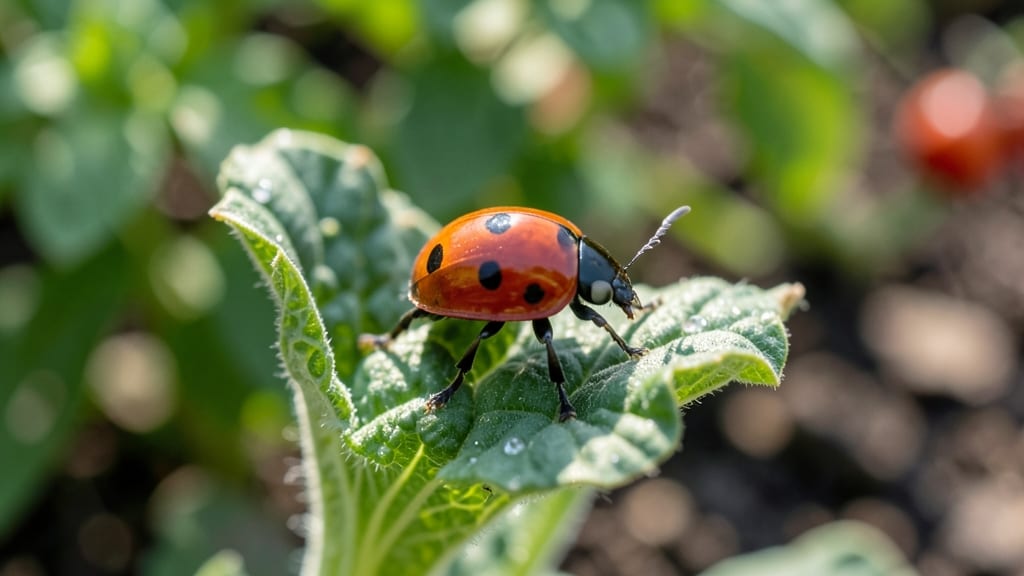
How to get rid of bugs on vegetable plants—it’s a battle you can win with the right barriers. 🌱 I spent years losing crops to aphids and beetles, but physical barriers changed everything. They don’t just kill pests; they stop them before they start.
The secret is simple: row covers, collars, and traps that pests can’t penetrate. A lightweight fabric over brassicas blocks cabbage worms, while cardboard collars around tomato stems keep cutworms at bay. No chemicals, no guesswork—just a shield your plants can’t live without.
You’ll see results in 24 hours—fewer holes, fewer chewed leaves, and plants that grow like they’re in a greenhouse. The best part? These barriers work for every garden size, from containers to full plots, and they’re reusable for years.
Now, let’s tackle the specific pests ruining your harvest—and how to outsmart them without harming your soil or your veggies. No more helpless watching. Just real solutions that work.
Root Causes of Plant Pests
Unwanted bugs on your vegetable plants aren’t just random bad luck—they’re often the result of specific conditions that make your garden an all-you-can-eat buffet for pests. Understanding these triggers is the first step to reclaiming your harvest.
Let’s break down the why behind the infestations, so you can address the real issues and stop pests before they start.
🌱 Why it happens: Vegetable plants thrive when they have space to breathe, but when they’re packed too tightly, humidity rises, airflow stalls, and shadows linger—perfect conditions for bugs like aphids, whiteflies, and fungal gnats.
Overcrowding also stresses plants, weakening their natural defenses (like sticky sap or strong smells) that usually repel pests.
The science:
- Reduced airflow creates a cozy microclimate where pests flourish. For example, aphids love damp, sheltered spots where they can feed undisturbed.
- Competition for nutrients makes plants more vulnerable. Stressed plants produce less secondary metabolites (like volatile organic compounds), which are their built-in pest deterrents.
- Soil-borne pests (e.g., cutworms, slugs) hide in thick mulch or dense foliage, waiting for easy meals.
Actionable fix:
- Space plants according to their mature size (check seed packets for guidelines).
- Thin seedlings early to avoid later struggles.
- Use vertical gardening (trellises, cages) for vining plants like cucumbers or beans to maximize airflow.
🛡️ Why it happens: Just like humans, plants get sick when they’re malnourished, dehydrated, or under constant stress. Weak plants are easy targets for pests because they can’t produce enough defensive compounds (like nicotine in tomatoes or sulfur compounds in onions) to deter insects.
The science:
- Nutrient deficiencies (especially nitrogen, phosphorus, or potassium) weaken cell walls, making them easier for pests to penetrate. For example, magnesium deficiency (shown by yellowing leaves) reduces chlorophyll, leaving plants sluggish and attractive to sap-sucking bugs.
- Overwatering or underwatering disrupts root health. Root-knot nematodes thrive in soggy soil, while spider mites explode in dry, dusty conditions.
- Physical damage (from hail, tools, or animals) creates entry points for bacteria, fungi, and pests like stink bugs or Japanese beetles.
Actionable fix:
- Fertilize properly: Use a balanced organic fertilizer (like compost tea or fish emulsion) and test soil pH (aim for 6.0–7.0 for most veggies).
- Water deeply but infrequently—aim for 1–1.5 inches per week—and avoid wetting foliage to prevent fungal pests.
- Hardening off seedlings (gradually exposing them to outdoor conditions) strengthens their resilience.
🍽️ Why it happens: Bugs don’t just appear out of nowhere—they’re drawn to specific plants, colors, and scents. Some pests are host-specific (like cabbage worms that only eat brassicas), while others are opportunistic (like earwigs that munch anything soft).
The science:
- Plant chemistry attracts (or repels) pests:
- Aphids are drawn to new growth because it’s rich in sugars and amino acids.
- Color matters: Whiteflies are attracted to yellow and blue hues, while stink bugs target green and purple foliage.
- Scent trails: Some bugs (like Mexican bean beetles) use pheromones to find mates—and your bean plants.
- Monoculture gardens (planting the same crop in large blocks) create pest hotspots. For example, a single row of tomatoes will attract more hornworms than scattered plants.
- Weeds act as pest nurseries: Dandelions and chickweed harbor aphids, flea beetles, and slugs, which then migrate to your veggies.
Actionable fix:
- Interplant (companion planting): Pair vulnerable plants with natural repellents, like:
- Basil near tomatoes (deters whiteflies and thrips).
- Marigolds around squash (confuse cucumber beetles).
- Nasturtiums as a trap crop for aphids.
- Rotate crops annually to disrupt pest life cycles.
- Remove weeds regularly—especially those in the mustard family (which attract cabbage pests).
🌦️ Why it happens: Bugs are highly sensitive to temperature, humidity, and rainfall. Sudden changes can turn your garden into a pest paradise overnight.
The science:
- Warmth speeds up reproduction: Many pests (like aphids and spider mites) reproduce exponentially in heat (above 75°F). A single aphid can become thousands in weeks.
- Humidity breeds fungus and soft-bodied pests: Slugs, snails, and fungal gnats thrive when nights are cool and damp.
- Drought stress weakens plants: When soil dries out, plants secrete more sugars in their leaves to conserve water—making them sweeter and more appealing to pests like stink bugs.
- Wind and rain spread pests: Flea beetles hitch rides on gusts, while cutworms burrow into plants after heavy rains.
Actionable fix:
- Monitor weather forecasts and act early:
- Heatwaves? Use shade cloth (30–50%) to protect plants.
- High humidity? Space plants wider and water in the morning to reduce evening moisture.
- Drought? Mulch heavily to retain moisture and avoid over-fertilizing with nitrogen (which encourages soft, pest-loving growth).
- Install row covers before pests arrive (e.g., flea beetles in spring).
👨🌾 Why it happens: Sometimes, our own gardening habits create the perfect conditions for pests. From over-fertilizing to ignoring hygiene, these mistakes make gardens irresistible to bugs.
The science:
- Excess nitrogen (from synthetic fertilizers or manure) produces tender, fast-growing leaves that pests love to devour. For example, corn earworms target over-fertilized sweet corn.
- Leftover debris and fallen fruit attract fruit flies, slugs, and rodents, which then spread to healthy plants.
- Using contaminated tools or soil can introduce nematodes, fungal spores, or insect eggs from previous seasons.
- Ignoring beneficial insects (like ladybugs or lacewings) disrupts the natural predator-prey balance, allowing pests to multiply unchecked.
Actionable fix:
- Clean up thoroughly after harvest: Remove all plant debris, fallen fruit, and weeds.
- Sterilize tools with a 10% bleach solution or rubbing alcohol between uses.
- Choose slow-release fertilizers (like compost or worm castings) to avoid nitrogen spikes.
- Preserve beneficial insects by avoiding broad-spectrum pesticides and planting pollinator-friendly flowers.
Pest-Free Plants: Fixes That Work
Now that you know the common culprits and why they’re invading your garden, it’s time to take action! The good news? Most bugs can be managed naturally without harsh chemicals.
Below are targeted solutions for the most common pests, along with prevention tips to keep your veggies thriving. Let’s roll up our sleeves and reclaim your garden! 🌱🛡️
Fix: These sap-sucking pests cluster on new growth, leaving sticky residue (honeydew) that attracts mold. Here’s how to evict them:
- 🔥 Blast Them Off Use a strong stream of water from a hose to knock aphids off plants. Do this in the early morning so leaves dry quickly, reducing fungal risks.
- 🍳 Homemade Soap Spray Mix 1 tbsp mild liquid soap (like Castile soap) + 1 quart water in a spray bottle. Test on a small leaf first—some plants are sensitive! Spray directly on aphids, especially undersides of leaves.
- 👨🍳 Introduce Beneficial Insects Ladybugs, lacewings, and parasitic wasps love aphids. Buy them online or attract them with dill, fennel, or marigolds in your garden.
💡 Prevention Tip: Plant garlic, chives, or rosemary nearby—aphids hate their strong scents! Also, remove infested leaves immediately to stop the spread.
Fix: These green caterpillars devour brassicas (kale, cabbage, broccoli) like a buffet. Try these tactics:
- 🥘 Handpick Daily Check leaves every morning and drop worms into soapy water (they drown instantly). Sounds tedious, but it’s the fastest fix!
- 🔪 Bt (Bacillus thuringiensis) Spray This organic bacteria kills caterpillars by disrupting their digestive systems. Mix with water and spray every 3–5 days until worms disappear. Safe for humans and pets!
- 🌡️ Row Covers Use floating row covers (lightweight fabric) over young plants to block moths (their parents). Remove when flowers appear to allow pollination.
💡 Prevention Tip: Interplant brassicas with carrots or onions—the strong smells confuse cabbage moths!
Fix: These 5-inch caterpillars can strip a tomato plant bare overnight. Act fast with these methods:
- 🔪 Squish or Relocate Wear gloves and pick them off by hand (they’re gross but easy to spot). Drop them into soapy water or relocate them far from your garden.
- 🌱 Encourage Parasitic Wasps Tiny braconid wasps lay eggs inside hornworms, killing them naturally. Plant dill, parsley, or basil to attract them.
- 🎯 Neem Oil Spray Mix 1 tsp neem oil + 1 tsp mild soap + 1 quart water. Spray directly on worms (they’ll stop eating within hours).
💡 Prevention Tip: Rotate crops—don’t plant tomatoes in the same spot yearly. Hornworms thrive in familiar territory!
Fix: These slimy pests leave silver trails and irregular holes in leaves. Try these non-toxic traps:
- 🍺 Beer Traps Bury a small container (like a yogurt cup) filled with beer at soil level. Slugs crawl in and drown—empty and refill every few days.
- 🥘 Copper Barriers Place copper tape around raised beds or pots. The mild electric shock slugs get from touching copper deters them.
- 🌡️ Diatomaceous Earth (DE) Sprinkle food-grade DE around plants (but not directly on leaves). It’s a natural abrasive that dehydrates slugs. Reapply after rain.
💡 Prevention Tip: Water in the morning (slugs hide during the day) and remove hiding spots like boards or thick mulch.
Fix: These microscopic pests thrive in dry heat, causing yellow stippling on leaves. Combat them with:
- 💦 Increase Humidity Spider mites hate moisture. Mist plants daily or use a hose to rinse them off (they’re tiny but vulnerable to water pressure).
- 🌿 Neem Oil or Insecticidal Soap Spray every 5–7 days until mites vanish. Test a small area first—some plants (like peppers) are sensitive.
- 🕷️ Release Predatory Mites Phytoseiulus persimilis mites eat spider mites! Buy them online and release them in infested areas.
💡 Prevention Tip: Avoid over-fertilizing—too much nitrogen attracts mites. Instead, use compost tea for balanced nutrients.
No matter the pest, these universal tips will fortify your garden:
- 🌱 Plant Diversity – Bugs target monocultures.
Mix herbs, flowers, and veggies to confuse them. - 🌡️ Healthy Soil = Strong Plants – Use compost and worm castings to boost plant resilience. - 🌙 Night Patrols – Check plants after sunset when slugs, cutworms, and other night crawlers strike. - 🧹 Clean Up Debris – Remove fallen leaves and weeds where pests hide over winter.
Final Thought: Most garden pests can be outsmarted, not outsprayed. Start with one or two methods for your biggest problem, then expand as needed. Your veggies will thank you with bigger, healthier harvests—and so will your conscience! 🌿💚
Frequently asked questions
What’s the fastest way to stop bugs from destroying my vegetable plants overnight?
For immediate results, use row covers or floating fabric to physically block pests like cabbage worms or flea beetles. Pair this with a strong water blast (early morning) to knock off aphids or spider mites. For caterpillars, handpick them daily and drop them into soapy water.
Are there any bugs that actually help my vegetable plants?
Ladybugs, lacewings, and parasitic wasps devour aphids and caterpillars naturally. Plant dill, fennel, or marigolds to attract them, or buy them online. Even ground beetles eat cutworms—leave some leaf litter for them to hide in!
Can I use neem oil on edible plants right before harvest?
Yes, but wait 24–48 hours after spraying before eating leaves or fruits. Neem oil is safe when used correctly, but the strong taste lingers briefly. For leafy greens like lettuce, rinse thoroughly. Always test a small area first—some plants (like peppers) are sensitive.
Why do my plants get bugs even after I’ve treated them before?
Pests often return due to re-infestation from weeds or nearby plants. Remove all plant debris and weeds (especially mustard family plants), which harbor eggs. Also, rotate crops yearly to disrupt pest life cycles. If problems persist, check for hidden pests in soil (like nematodes).
What’s the best time of day to check for bugs on my plants?
Check in the early morning (before pests hide in shade) or late afternoon (when slugs and cutworms become active). For spider mites, inspect undersides of leaves with a magnifying glass—they thrive in dry heat and are nearly invisible to the naked eye.