
How To
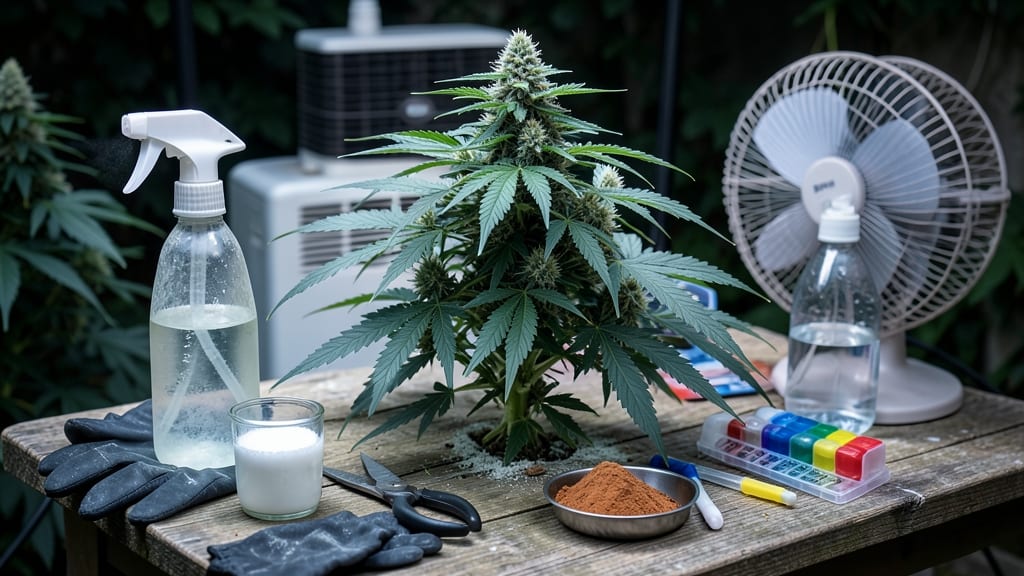
Your weed plants are covered in fuzzy gray mold and wilting faster than you can say "bud rot." 🌿 The good news? A 3% hydrogen peroxide soak can revive them in 24-48 hours—no harsh chemicals needed.
I’ve saved multiple harvests with this method after my last grow nearly failed to a mold outbreak. The mold thrives in damp, dark spaces, and overwatering or poor airflow creates the perfect storm. But hydrogen peroxide’s mild bleach properties break down mold spores while being safe for edible plants.
Just mix 1 part peroxide to 4 parts water and let the plants soak for 15-20 minutes—repeat daily until the mold disappears. You’ll see fresh green growth within 2 days, and the plants will bounce back stronger than before.
The key is consistency—don’t skip treatments, and adjust humidity to 40-60% to prevent recurrence. Works for indoor grows, outdoor plants, and even stored buds. Let’s get those plants back to thriving!
Root Causes of Fungal Growth
Mold on your weed plants isn’t just an unsightly nuisance—it’s a sign that your grow environment is throwing red flags. Understanding why mold thrives is the first step to stopping it before it ruins your harvest.
Below, we break down the key culprits, backed by science, so you can address the root of the problem—not just the symptoms.
Mold loves damp conditions because it thrives in high humidity (above 60%) and stagnant air. When water lingers on leaves, stems, or soil, it creates the perfect breeding ground for fungal spores like Botrytis cinerea (gray mold) or Fusarium. Here’s how it happens:
- Overwatering: Cannabis roots need oxygen, but soggy soil suffocates them, forcing water to pool on foliage. Pro tip: Stick your finger in the soil—if the top 2 inches are damp, wait before watering again.
- Condensation buildup: In grow tents or closets, cold surfaces (like walls or lids) cause moisture to condense into water droplets. These droplets act as fungal spore taxis, spreading mold across leaves.
- Poor airflow: Stagnant air traps humidity near plants. Fans or oscillators are non-negotiable—aim for 1-2 feet per second of airflow to keep humidity in check.
🔍 Quick fix: Use a hygrometer to monitor humidity. Keep it between 40-60% during veg and 45-55% in flower. Add an exhaust fan or dehumidifier if needed.
Cannabis plants are sensitive to temperature extremes, and mold loves the chaos. When temps dip below 60°F (15°C) or spike above 85°F (29°C), plants become stressed, weakening their natural defenses. Here’s the science:
- Cold stress: Low temps slow photosynthesis, making leaves less able to dry quickly. Moisture lingers, and mold spores (always present in the air) latch on.
- Heat stress: High temps increase transpiration (water loss through leaves), but if paired with high humidity, it creates a sticky, mold-friendly environment.
- Nighttime drops: A sudden temp shift (e.g., from 80°F daytime to 55°F nights) causes condensation on leaves, mimicking a morning dew—mold’s favorite snack.
💡 Pro tip: Use a thermometer/hygrometer combo to track temps. Aim for 70-80°F (21-27°C) days and 60-70°F (15-21°C) nights. Avoid drafts near vents or AC units, which can create cold spots.
Mold spores are everywhere—in soil, water, and even on your hands. But when they hitch a ride into your grow space, they explode into a full-blown infestation. Here’s how contamination spreads:
- Dirty soil: Cheap or reused soil often contains dormant fungal spores. Even "sterile" bags can harbor Trichoderma or Pythium, which attack roots and leaves.
- Unsterilized tools: Pruners, scissors, or trays harbor spores between uses. A single cut with a contaminated tool can introduce mold directly into healthy tissue.
- Water sources: Tap water or reused nutrient solutions may contain spores. Distilled or reverse-osmosis (RO) water is the safest bet.
✨ Prevention hack: Sterilize tools with 70% isopropyl alcohol or a 10-minute bleach soak (1 part bleach to 9 parts water). For soil, bake it at 180°F (82°C) for 30 minutes or use hydrogen peroxide (3%) as a soil drench (1 tbsp per gallon of water).
A plant under stress is like an open invitation for mold. When cannabis lacks key nutrients or suffers from over-fertilization, its cell walls weaken, making it easier for fungi to invade. Here’s the breakdown:
- Nitrogen deficiency: Leaves turn yellow (chlorosis) and lose structural integrity. Weak tissue can’t repel mold spores.
- Phosphorus/potassium imbalance: These nutrients strengthen cell walls. A deficiency leaves plants more susceptible to fungal infections.
- Burn from overfeeding: Excess salts (from nutrients) create osmotic stress, causing leaf tips to brown and crack—entry points for mold.
- Calcium/magnesium deficiencies: These minerals help regulate cell membrane permeability. Without them, plants can’t fend off pathogens.
📊 Actionable fix: Test your soil’s pH (6.0-7.0 for soil, 5.5-6.5 for coco) and nutrient levels with a TDS meter. Flush soil with pH-balanced water if salts are high. Use a balanced fertilizer (e.g., 7-9-5 NPK ratio) and follow label instructions precisely.
🚨 Remember: Mold doesn’t appear overnight—it’s a symptom of chronic issues in your grow setup. Addressing moisture, airflow, temperature, and plant health proactively is the only way to keep your cannabis mold-free for good.
How to Fix Moldy Weed Plants
Mold on your weed plants isn’t just unsightly—it can stifle growth, reduce potency, and even ruin your harvest if left unchecked. The good news? With the right approach, you can reverse the damage and prevent future outbreaks.
Below, we’ve mapped out practical, step-by-step solutions tailored to the most common causes of mold, plus prevention tips to keep your plants thriving.
If your grow space feels like a jungle (thanks to excessive humidity), mold spores will throw a party. Break it up with these fixes:
🌬️ Step 1: Increase Air Circulation
- Add fans (oscillating or clip-on) to create a gentle breeze. Aim for 5–10 mph near plants—just enough to dry surfaces without stressing them.
- Space plants properly: Overcrowding traps moisture.
Follow the "Rule of Thirds"—leave at least 12–18 inches between large plants. - Prune lower leaves: Trim foliage near the soil to improve airflow at the base (where mold loves to hide).
💧 Step 2: Lower Humidity Levels
- Dehumidifier or AC: Keep humidity below 50% during veg and 40–50% in flower.
A $50–$100 dehumidifier can save your harvest. - Silica gel packs: Place them near plants to absorb excess moisture (replace when damp). - Ventilation tweaks: If using an exhaust fan, ensure it’s stronger than your intake to pull humid air out.
🧼 Step 3: Disinfect the Grow Space
- Wipe down surfaces with a 1:10 hydrogen peroxide solution (3% H₂O₂ + water). Spray leaves, pots, and shelves to kill spores.
- Replace wet growing medium: If soil is soggy, mix in perlite or coco coir to improve drainage.
Stagnant air = mold’s best friend. Revive your plants with these targeted steps:
✂️ Step 1: Prune Moldy Sections
- Cut off infected buds/leaves with sterilized scissors (wipe with rubbing alcohol). Do not compost—bag and discard outside.
- Isolate the plant in a separate tent with a fan for 24–48 hours to prevent spread.
🌿 Step 2: Boost Airflow Immediately
- Fan placement: Position a fan 1–2 feet away from the plant, angled to hit the stem and lower leaves (where mold hides).
- Light touch: Use a low-speed setting—you’re drying, not defoliating!
🌡️ Step 3: Adjust Temperature Slightly
- Cool it down: Mold thrives in 70–80°F. Drop temps to 65–75°F (day) / 60–70°F (night) to slow spore growth.
Soggy roots and wet foliage = mold’s dream. Fix it fast with these moves:
🚰 Step 1: Let the Soil Dry Out
- Stop watering immediately for 3–5 days (depending on pot size). Let the top 1–2 inches of soil dry before watering again.
- Check moisture: Stick your finger 1 inch deep—if it’s damp, wait longer.
🌱 Step 2: Repot if Necessary
- If roots are rotting (black/mushy), repot into fresh, dry soil mixed with 50% perlite or vermiculite.
- Use a pot with drainage holes—no exceptions!
💧 Step 3: Water Smarter
- Bottom-watering: Place pots in 1–2 inches of water for 10–15 minutes, then drain. This keeps foliage dry.
- Morning watering: Wet leaves in the morning so they dry by night (UV light helps prevent mold).
Hot days + cold nights = condensation = mold. Lock in consistency with these tricks:
🔥 Step 1: Use a Thermometer/Hygrometer
- Monitor 24/7: Aim for stable temps (no swings >10°F). Tools like the AcuRite or Vivosun are affordable and accurate.
🌡️ Step 2: Insulate Your Grow Space
- Blackout curtains: Reduce heat spikes from sunlight.
- Heat mat (winter): Keep roots warm if nights drop below 60°F.
💨 Step 3: Control Condensation
- Ventilate during transitions: If moving plants outside, acclimate slowly (1 hour/day) to avoid shock condensation.
- Space heaters (winter): Use a low-wattage one near plants to prevent cold pockets.
Once you’ve treated the problem, lock in these habits to avoid repeat infections:
💡 Pro Tip: Hydrogen Peroxide Soak (Your Secret Weapon)
- Mix 1 tbsp 3% H₂O₂ per gallon of water.
- Spray lightly on leaves (avoid buds) once a week as a preventative fungicide.
- Soak roots when repotting for 5–10 minutes to sterilize soil.
🌿 Grow Space Hygiene Checklist
✅ Sterilize tools (scissors, shears) with rubbing alcohol between uses. ✅ Wipe down shelves monthly with vinegar or H₂O₂ solution. ✅ Rotate plants weekly to ensure even light/air exposure. ✅ Use reflective surfaces (Mylar or white paint) to reduce humidity from heat buildup.
🌱 Soil & Nutrient Hacks
- Avoid over-fertilizing: Excess nutrients = sticky leaves = mold. Stick to half-strength feeds if you suspect buildup.
- Mycorrhizal fungi: Add beneficial microbes (like MycoApply) to outcompete mold spores naturally.
If mold spreads rapidly or roots are mushy, it’s time for drastic measures:
- Small plants: Repot with fresh soil and hydrogen peroxide treatment.
- Large plants with severe rot: Euthanize—mold can reinfect even after treatment.
Final Thought: Mold is beatable, but prevention is your best tool. With better airflow, controlled humidity, and smart watering, your weed plants will stay clean, potent, and mold-free—ready for a bountiful harvest. 🌿✨
Frequently asked questions about mold on plants
Can I still use my plants if they have mold?
Only if the mold is minimal and surface-level. Trim off any visibly infected leaves or buds immediately, then isolate the plant. For edible plants, avoid consuming parts with fuzzy growth—mold can produce mycotoxins harmful to humans. If the mold covers more than 20% of the plant or appears on stems/roots, it's safer to remove the plant entirely to prevent spread.
How often should I treat my plants with hydrogen peroxide?
For active mold outbreaks, apply a 1:4 hydrogen peroxide to water solution every 2-3 days until the mold disappears. As prevention, a weekly light spray (1 tbsp per gallon) during humid seasons keeps spores at bay. Never exceed 3% concentration—higher levels can damage plant tissue. Always spray in the morning so leaves dry completely.
Why does mold keep coming back even after treatment?
Persistent mold usually means the root cause—high humidity or poor airflow—still exists. Check your grow space: humidity should stay below 50%, and you need constant gentle airflow (5-10 mph). Also verify your watering habits—soggy soil forces water to pool on leaves. Use a hygrometer and small oscillating fan if needed. If the problem persists after 2 weeks, your growing medium may need replacing.
Are there organic alternatives to hydrogen peroxide?
Yes! For mild cases, try a baking soda spray (1 tsp baking soda + 1 quart water + few drops of dish soap) applied weekly. Neem oil (2 tsp per gallon) also works as a natural fungicide—spray on leaves and soil. Both options are safer for edible plants than chemical fungicides. For severe cases, combine organic methods with improved airflow and humidity control for best results.
How can I prevent mold in my grow tent?
Start with proper ventilation: your exhaust fan should run 24/7 with intake slightly weaker. Keep humidity between 40-50% using a dehumidifier if needed. Install an oscillating fan to circulate air, and avoid overcrowding plants. Water in the morning only, and use bottom-watering techniques. Finally, wipe down surfaces monthly with a 1:10 hydrogen peroxide solution to eliminate spores before they take hold.