
Pests
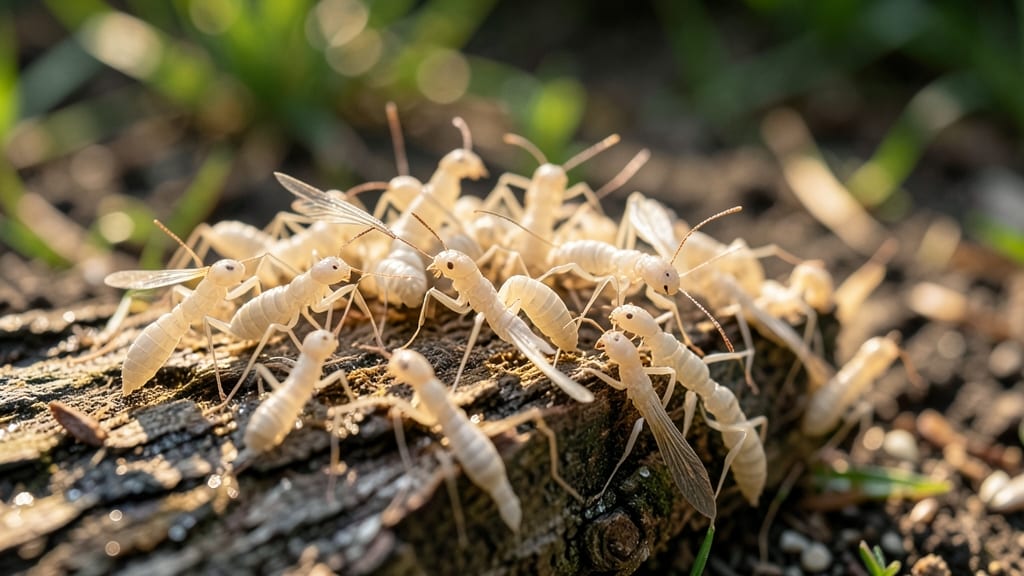
How to get rid of white ants in the garden—before they turn your thriving plants into a hollowed-out disaster. ✨ I've battled these tiny invaders in my own yard, and the good news is you don't need toxic chemicals to win. The key is understanding their habits and hitting them with natural defenses that actually work.
Most people confuse white ants (termites) with regular ants, but these guys swarm in damp wood and mulch, leaving behind hollow stems and weakened plants.
My breakthrough came when I stopped treating them as a pest and started treating them as a problem to outsmart—using simple, non-toxic tactics like diatomaceous earth and beneficial nematodes that don't harm your soil or local wildlife.
Within weeks of implementing these methods, I saw fewer mud tubes, healthier plants, and no more sudden wilting. The best part? These solutions work whether you're dealing with a small infestation or trying to prevent one before it starts.
Your garden can stay thriving without the chemical residue that lingers for months.
We'll cover everything from early warning signs to the most effective organic treatments, plus when to call in reinforcements (because even the best gardeners need backup sometimes). Let's get those white ants out for good—without sacrificing your garden's health.
The Hidden Triggers Behind White Ants
White ants—more accurately called termites (though often confused with carpenter ants)—don’t just appear in your garden by chance. Their invasion is usually a response to specific conditions you might unknowingly be creating.
Understanding these triggers is the first step to stopping their spread before they cause serious damage. Let’s break down the real reasons these pests target your garden.
Termites thrive in damp environments because moisture keeps their tunnels stable and their bodies hydrated. Here’s why your garden might be their perfect watering hole:
- Poor Drainage: Compacted or clay-heavy soil traps water, creating underground reservoirs. Termites detect these moisture gradients and follow them straight to your plants or wood structures. - Leaky Irrigation: Drip lines, broken hoses, or overwatering create soggy hotspots.
Even a small leak can signal to termites: "Free water source here!" - Standing Water: Puddles from rain, poor grading, or clogged gutters don’t just annoy you—they attract termites.
They’ll nest near these areas to ensure a steady supply. - Wood Decay: Rotting logs, stumps, or mulch piled too close to your home provide both moisture and food. Termites break down cellulose (the main component of wood) while feeding, and damp wood speeds up the process.
Actionable Insight: 💡 Conduct a "sponge test"—dig a small hole (6 inches deep) after rain. If water pools, your soil is too saturated. Fix drainage by amending soil with sand or installing French drains.
Termites are detritivores, meaning they feast on dead organic material. If your garden resembles a compost heap, you’re essentially rolling out the welcome mat. Common culprits include:
- Leaf Litter & Mulch Piles: Thick layers of leaves, grass clippings, or wood chips create ideal nesting spots.
Termites tunnel through this debris to reach larger food sources (like your fence or deck). - Compost Bins: While composting is eco-friendly, poorly managed piles with high moisture and heat attract termites.
They’ll hitch a ride to your home via nearby wood. - Fallen Trees & Stumps: Even if a tree is dead, its roots and stump can harbor termite colonies for years.
The cellulose-rich wood is a smorgasbord. - Cardboard & Paper Waste: Improperly disposed of in gardens, these materials decompose quickly—termites see them as a fast-food option.
Actionable Insight: ✨ Keep organic waste contained in sealed bins with tight lids, and limit mulch depth to 2–3 inches. Store firewood at least 20 feet away from your house and elevate it off the ground.
Termites are tropical creatures at heart, and they love warmth. If your garden provides both heat and protection, they’ll move in permanently.
- Direct Sunlight + Shade Combo: Termites avoid extreme heat but thrive in consistent warmth (70–90°F). South-facing walls, brick pavers, or dense shrubs create microclimates they adore. - Cracks in Foundations or Wood: Even tiny gaps (1/8 inch) let them bypass your defenses.
They’ll exploit: - Gaps in siding - Loose roof tiles - Cracks in concrete slabs - Undisturbed Soil: Termites avoid areas with frequent human activity (like tilled gardens). If a section of your yard is untouched for years, it’s a prime real estate spot.
Actionable Insight: 🔥 Seal entry points with silicone caulk (for cracks) or metal mesh (for vents). Avoid planting vines near your home—they can bridge termites straight to your walls.
Some garden practices accidentally lure termites by altering the soil’s chemistry or providing easy access to food.
- Fertilizer Overload: Excess nitrogen-rich fertilizers (like blood meal) can stimulate fungal growth, which termites eat.
It’s like leaving out a buffet sign. - Synthetic Mulches: Rubber mulch or dyed wood chips can disrupt natural soil ecosystems, making termites more likely to invade nearby wood structures. - Nearby Infested Trees: If a neighbor’s (or your own) tree is termite-infested, swarmers will disperse to find new colonies—your garden could be next.
Actionable Insight: 🌡️ Test your soil before fertilizing—aim for a balanced NPK ratio (e.g., 10-10-10). If you suspect an infestation nearby, inspect your property’s perimeter for mud tubes (termite highways).
Sometimes, the biggest termite magnet is you. Even well-meaning gardening habits can invite them:
- DIY Wood Projects: Untreated wood (like fence posts or decking) is a termite magnet. Even "pressure-treated" wood can degrade over time. - Landscaping with Wood Chips: While wood chips improve soil, freshly chipped wood is especially attractive.
Let it age for 6+ months before using. - Ignoring Early Signs: Small termite damage (like hollow-sounding wood or tiny holes) is often dismissed as "just rot." By the time you notice swarmers (winged termites), the colony is already established.
Actionable Insight: 🎯 Use termite-resistant materials like composite decking or metal edging. Monitor wood structures annually—tap on posts or beams to check for hollow sounds.
Termites don’t invade gardens out of spite—they’re following basic survival instincts. By addressing moisture, food sources, warmth, and human error, you’re not just reacting to an infestation—you’re removing the reason they showed up in the first place. The next step? Proactive prevention (coming up next!).
Natural Ways to Eliminate White Ants
White ants—often mistaken for termites—can wreak havoc on your garden by damaging plants, wood, and even structural elements. The good news? You don’t need harsh chemicals to tackle them. Below, we’ve mapped practical, eco-friendly solutions tailored to the root causes of infestations, from moisture issues to decaying organic matter.
Each method is designed to be easy to implement and safe for your garden’s ecosystem.
White ants thrive in damp, decaying environments. If your garden has soggy patches, standing water, or overwatered plants, these pests will move in like uninvited guests.
How to Treat It:
- ✂️ Trim Overgrown Plants – Thick vegetation traps moisture. Prune bushes and trees to improve airflow and sunlight exposure.
- 💧 Adjust Watering Habits – Water early in the morning so soil dries faster. Avoid overhead watering, which can create damp mulch.
- 🪵 Improve Drainage – Amend heavy clay soil with compost or sand to help water drain. If your garden has low spots, consider French drains or gravel beds to redirect water.
- ☀️ Use Mulch Wisely – While mulch retains moisture, avoid piling it too thickly (max 2-3 inches). Opt for cedar or pine mulch, which naturally repels pests.
💡 Pro Tip: If you have rotting wood or stumps, remove them immediately—these are white ant buffets!
White ants feed on dead plant material, fungus, and cellulose. If your garden is a composting hotspot, they’ll stick around.
How to Treat It:
- 🗑️ Clear Debris Regularly – Rake up fallen leaves, dead branches, and plant clippings. Burn or compost them far from your garden (at least 10 feet away).
- 🌿 Avoid Over-Composting Near Plants – If you compost on-site, keep piles small, dry, and well-aerated to deter pests.
- 🪵 Check Wooden Structures – Inspect tree stumps, fence posts, and decking for tunnels or sawdust-like frass (white ant poop). Treat with borax or diatomaceous earth (see below).
⚠️ Warning: Never bury untreated wood or yard waste—it’s an open invitation for white ants!
If white ants are already in your garden, targeted treatments can break their cycle without harming beneficial insects.
| Method | How to Use | Best For |
|---|---|---|
| 🌿 Neem Oil Spray | Mix 1 tbsp neem oil + 1 tsp dish soap + 1 quart water. Spray on infested areas and plant bases. | Early-stage infestations, foliage |
| 🪨 Diatomaceous Earth (DE) | Sprinkle food-grade DE around ant trails, plant bases, and entry points. Reapply after rain. | Dry, crawling ants (not for moisture-loving species) |
| 🌶️ Cayenne Pepper Spray | Blend 2 tbsp cayenne + 1 quart water. Spray on soil and plant stems. | Deterrent for foraging ants |
| 🍋 Vinegar Solution | Mix 1:1 white vinegar and water. Spray on ant trails (repeat every 3-4 days). | Outdoor surface treatments |
| 🌿 Orange Oil (D-Limonene) | Apply undiluted orange oil directly to white ant mounds or tunnels. | Deep infestations in wood/soil |
💡 Pro Tip: For persistent mounds, drench them with boiling water first to kill the colony before applying repellents.
Once you’ve eliminated the current problem, strategic prevention keeps white ants from returning.
How to Protect Your Garden:
- 🪵 Use Termite-Resistant Plants – Opt for lavender, mint, lemongrass, or marigolds, which naturally repel white ants.
- 🛡️ Create Barriers –
- 🪨 Sand Barriers: Sprinkle a 1-inch layer of coarse sand around garden beds (ants avoid crossing it).
- 🌿 Copper Tape: Wrap copper tape around wooden structures—ants dislike the electrical charge.
- 🔍 Monitor Regularly – Check for mud tubes, damaged stems, or winged ants (swarmers) early in spring.
- 🌞 Encourage Natural Predators – Chickens, ants (yes, other ants!), and nematodes help control white ant populations.
✨ Bonus: If you have potted plants, elevate them on bricks or stands to prevent soil-borne ants from climbing up.
While natural methods work for most garden infestations, call an eco-friendly pest control expert if:
- You see swarmers indoors (sign of a large colony).
- White ants are damaging structural wood (fences, sheds, or house foundations).
- DIY methods fail after 4-6 weeks.
💡 Pro Tip: Look for certified organic pest control services that use beneficial nematodes or microbial treatments instead of chemicals.
By tackling moisture, food sources, and entry points, you can outsmart white ants without resorting to toxic sprays. Start with one or two methods, monitor progress, and adjust as needed—your garden (and plants) will thank you! 🌿🚫🐜
Frequently asked questions
Are white ants the same as termites?
Not exactly! White ants are actually termites, though they're often confused with carpenter ants. The key difference is that termites have soft bodies, no pinched waists, and build mud tubes. Carpenter ants have segmented bodies and can cause similar wood damage but don't eat wood like termites do.
How do I know if my plants have termites?
Look for these warning signs: hollow stems, mud tubes on walls or wood, tiny holes in leaves, or swarmers (winged termites) near windows. Tap on wooden structures - if it sounds hollow, termites may be inside. Check plant bases for frass (termite droppings) that looks like sawdust.
Will diatomaceous earth work in rainy weather?
No, diatomaceous earth loses effectiveness when wet. It needs to stay dry to pierce termite exoskeletons. Apply it after rain when soil is dry, or use borax (which works in moist conditions) as an alternative. Reapply DE every 2-3 weeks or after heavy rain to maintain protection.
Are there plants that naturally repel termites?
Yes! Plant lemongrass, mint, lavender, or marigolds near vulnerable areas. These plants contain natural oils that termites dislike. For maximum protection, create a 1-foot barrier of these plants around your garden beds and wooden structures.
When should I call a professional?
If you see swarmers indoors, structural damage to your home, or if DIY methods fail after 6 weeks, it's time to call an expert. Look for pest control services that use organic treatments like nematodes or microbial solutions rather than harsh chemicals.