
Propagation
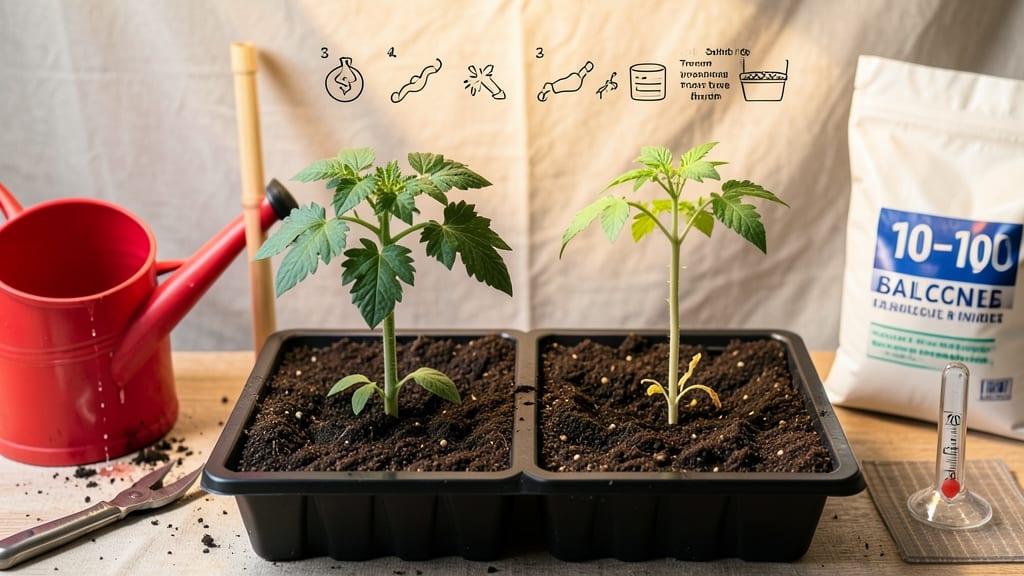
How to keep tomato seedlings from getting leggy—it’s the battle every gardener loses at least once. I’ve watched them stretch toward the light like starving ballerinas, only to collapse when transplanted. The fix isn’t complicated, but it is counterintuitive: more light, less crowding, and a few simple tweaks to how you grow them.
Most leggy stems happen because seedlings are desperate for light, stretching weak stems toward the nearest window or grow light. Overcrowding makes it worse—roots compete for nutrients, and the weakest seedlings stretch fastest.
Even inconsistent watering (too much or too little) throws off their balance. The good news? You can reverse this in 7-10 days with the right adjustments.
Start by moving seedlings within 3-6 inches of a bright light source—south-facing windows or a grow light on a 14-16 hour daily cycle. Thin crowded trays so each seedling has 2-3 square inches of space, and water only when the top inch of soil feels dry.
Within a week, you’ll see stockier stems and darker green leaves—no more floppy disasters.
For stubborn cases, bury stems deeper when transplanting (they’ll grow roots along the buried parts) or use a reflective tray under seedlings to bounce extra light upward. The key? Act fast—once they’re leggy, they’re vulnerable to pests and transplant shock. Trust me, your future tomato plants will thank you.
The Real Culprits Behind Leggy Seedlings
Leggy tomato seedlings—those stretched-out, weak-stemmed plants—aren’t just a cosmetic issue. They’re a cry for help from your seedlings, signaling that their basic needs aren’t being met. Understanding the root causes (literally!) is the first step to growing strong, stocky plants.
Here’s why your seedlings might be reaching for the sky instead of standing tall.
Seedlings thrive on light intensity, not just duration. When they don’t get enough, they stretch (a process called etiolation) to maximize their surface area for photosynthesis. This happens because: - Phytochrome disruption: Light triggers phytochrome pigments in seedlings, which regulate stem elongation.
In low light, these pigments signal the plant to grow taller and thinner to access more light. 🌱💡 - Weak cell walls: Without adequate light, seedlings produce less lignin (a structural compound in stems), making them soft and prone to snapping.
Think of it like a skyscraper built with toothpicks instead of steel. - Chlorophyll deficiency: Light is essential for chlorophyll production. Without it, seedlings can’t photosynthesize efficiently, leading to pale, weak growth.
Actionable red flag: If your seedlings are yellowing (chlorosis) or leaning toward the light source, they’re begging for more photons.
Tomato seedlings are temperature-sensitive, and extremes throw off their growth patterns: - High heat (above 80°F/27°C): Accelerates metabolic processes, causing rapid (but weak) stem elongation.
The plant prioritizes height over strength to escape the heat. 🔥 - Cool temperatures (below 50°F/10°C): Slows photosynthesis and weakens cell division, leading to slow, leggy growth.
It’s like trying to run a marathon in flip-flops—possible, but inefficient. - Inconsistent temps: Fluctuations confuse the plant’s growth hormones, causing erratic stretching.
Pro tip: Ideal seedling temps are 65–75°F (18–24°C) during the day and 55–60°F (13–15°C) at night. A simple seedling heat mat can help maintain consistency.
Seedlings don’t just compete for light—they fight for resources in a crowded tray: - Shade from neighbors: Each seedling blocks light from its neighbors, forcing them to stretch upward.
It’s like standing in a crowded elevator—everyone leans to see over the person in front. 🏢👀 - Root competition: Overcrowded roots struggle to absorb nitrogen and phosphorus, nutrients critical for stem strength.
Weak roots = weak stems. - Humidity buildup: Dense seedlings trap moisture, creating a greenhouse effect that slows evaporation and reduces transpiration (the plant’s way of "drinking" water). This leads to softer, more prone-to-falling stems.
Quick fix: Thin seedlings to 1–2 inches apart in trays or use individual pots to eliminate competition.
Water isn’t just hydration—it’s a growth regulator. Get it wrong, and your seedlings will stretch like overwatered spaghetti. - Overwatering: Soggy soil deprives roots of oxygen, slowing nutrient uptake.
The plant responds by growing taller to access more light, even if the stems stay weak. 💦🌪️ - Underwatering: While it might seem counterintuitive, stress from drought can trigger elongation as the plant seeks moisture.
Plus, dry soil heats up faster, mimicking high-temperature stress. - Inconsistent moisture: Fluctuating water levels confuse the plant’s hormone balance, leading to uneven, leggy growth.
Golden rule: Keep soil moist but not soggy—think of a wrung-out sponge. A moisture meter or the finger test (insert your finger 1 inch deep; soil should feel damp) works wonders.
Seedlings need macronutrients (nitrogen, phosphorus, potassium) to build sturdy stems, but too much or too little of the wrong kind causes problems: - Excess nitrogen (N): Promotes leafy growth at the expense of stems.
Think of it like a bodybuilder taking too much protein—muscles grow, but the skeleton (stems) weakens. 💪🦴 - Phosphorus (P) deficiency: Critical for root and cell development.
Without enough P, seedlings can’t produce strong cell walls, leading to floppy stems. - Potassium (K) deficiency: Acts as a "quality control" for plant structure. Low K = weak stems and poor disease resistance.
Fix it: Use a balanced seedling fertilizer (e.g., 5-5-5 or 10-10-10) at half-strength to avoid burning tender roots. Avoid pure nitrogen sources like blood meal until seedlings have true leaves.
- Sowing too early: Seedlings stretched thin by weak winter light may never recover, even with proper care later. 🌱❄️
- Transplanting too soon: Moving seedlings outdoors before they’re hardened off (acclimated to real-world conditions) shocks their systems, leading to stress-induced legginess.
- Slow germination: If seeds take too long to sprout (due to cold soil or old seeds), the resulting seedlings are often smaller and weaker, making them more prone to etiolation once they finally emerge.
Solution: Start seeds 6–8 weeks before your last frost date and use grow lights if natural light is insufficient. For cold climates, consider indoor seed starting until temperatures rise.
Quick Fixes for Weak Seedlings
Leggy tomato seedlings are a common frustration, but the good news is that most fixes are simple, fast, and require minimal tools. Below, we’ve mapped the most likely causes to effective solutions—plus prevention tips to keep your seedlings strong from day one.
Cause: Insufficient light (the #1 reason seedlings stretch). Solution: Move seedlings to a sunnier spot immediately—ideally 6–8 hours of direct sunlight daily. If indoors, use a grow light (LED or fluorescent) 2–4 inches above seedlings for 14–16 hours/day.
How to Do It:
- 🔥 Rotate trays daily to prevent uneven growth.
- 🌡️ Keep leaves warm—cool temperatures slow photosynthesis, making legginess worse.
- 🎯 Pro Tip: If using a grow light, adjust height as seedlings grow (closer = stronger stems, but not touching leaves).
Cause: Exposed stems seek light, growing weak and tall. Solution: Transplant deeper to encourage root growth and stabilize the plant. Bury up to the first true leaves (not the cotyledons) in moist soil.
How to Do It:
- 👨🍳 Gently loosen roots before replanting to avoid shock.
- 🥘 Use a pencil or stick to make a hole deep enough for the stem.
- ✨ Pro Tip: If seedlings are already leggy, bury them gradually over 2–3 days to avoid stress.
Cause: Over-fertilizing (especially with nitrogen) promotes leafy growth over sturdy stems. Solution: Hold off on fertilizer until seedlings have 2–3 true leaves. Then, use a balanced, low-nitrogen formula (like 5-5-5) diluted to half-strength.
How to Do It:
- 📊 Check labels—avoid "high-nitrogen" fertilizers (first number >30%).
- 🥗 Water first, then fertilize to prevent root burn.
- 🔥 Pro Tip: A seaweed or fish emulsion (low in N) can boost root strength without legginess.
Cause: Overwatering or uneven moisture stresses seedlings, making them reach for light. Solution: Water deeply but infrequently—let the top ½ inch of soil dry between waterings. Use well-draining soil (add perlite or vermiculite if needed).
How to Do It:
- 💧 Water at the base (not overhead) to prevent fungal issues.
- 🌡️ Use room-temperature water—cold water shocks roots.
- 🎯 Pro Tip: Bottom-watering (place trays in shallow water for 10 mins) encourages stronger roots.
Once you’ve fixed legginess, keep it from happening again with these habits:
- 🌱 Start with the right soil: Use a light, airy seed-starting mix (not garden soil).
- 🔥 Use the right containers: Small cells (2–3 inches deep) force seedlings to grow roots faster.
- 🌡️ Maintain warmth: Keep soil temps 70–80°F (use a heat mat if needed).
- 🎯 Thin seedlings early: Overcrowding forces competition for light, leading to legginess.
- ✨ Try "shock therapy": For stubborn seedlings, pinch the top set of leaves to redirect energy to stem growth.
Remember: Leggy seedlings can often be saved with light, depth, and patience. The key is acting fast—once stems are too weak, they may flop even after fixing the issue. But with these tricks, you’ll have stocky, thriving tomato plants ready for transplanting in no time! 🍅💪
Frequently asked questions about leggy tomato seedlings
Why do my tomato seedlings get so tall and skinny?
Leggy seedlings stretch when they don't get enough light - a process called etiolation. They grow weak stems to reach upward toward any available light source. This happens most commonly when seedlings are placed too far from windows or grow lights, or when natural light is insufficient (like in winter). The lack of light also reduces chlorophyll production, making stems softer and more prone to snapping.
Can I save leggy seedlings, or should I just start over?
You can often save them! The key is acting fast. Move seedlings to a brighter location immediately and consider burying stems deeper when transplanting (up to the first true leaves) to encourage root growth. Within 7-10 days, you should see stockier stems. If stems are already too weak, they may not recover, but starting fresh with proper light conditions is always an option.
How close should grow lights be to seedlings? Start with grow lights 2-4 inches above seedlings, then adjust as they grow. The leaves should be warm (not hot) to the touch. For LED grow lights, maintain 14-16 hours of light daily. Fluorescent lights can be slightly farther away (3-6 inches).
Is it better to use natural light or grow lights?
Grow lights are often better for seedlings because they provide consistent, intense light that mimics sunlight. Natural light varies by season and time of day, which can lead to uneven growth. South-facing windows provide the best natural light, but even these may not be sufficient in winter. If using natural light, place seedlings within 12 inches of the window and rotate trays daily to prevent leaning.
What's the best way to harden off leggy seedlings?
Harden off leggy seedlings gradually over 7-10 days to prevent shock. Start with 1-2 hours of outdoor exposure on mild days, then increase daily. Choose a shaded area initially to avoid sunburn on weak stems. Water seedlings thoroughly before moving them outside. If stems are very weak, consider supporting them with small stakes or planting them deeper when transplanting to help stabilize them during hardening.