
How To
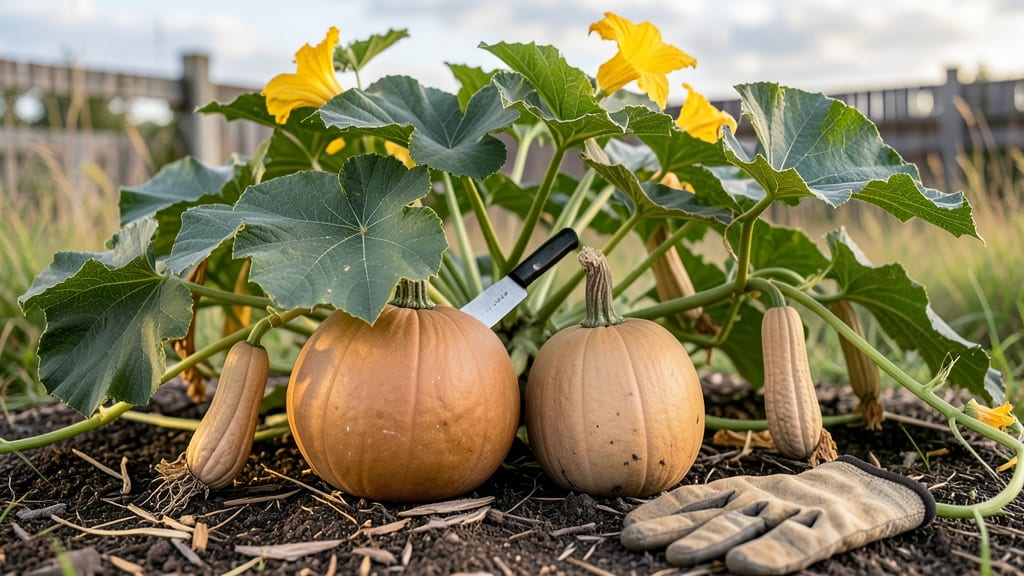
How to know when to harvest butternut squash can mean the difference between a sweet, flavorful reward and a tough, bland disappointment. The perfect moment arrives when the rind hardens just right, the stem dries up, and the color deepens—all signs your squash is ready for the table.
If you've ever picked a squash too early or too late, you know how frustrating it can be. The good news? With a few simple checks—like testing skin hardness and examining seed color—you can master the harvest timing every season.
I'll walk you through the foolproof methods that work in USDA Zone 6a and beyond.
Timing matters even more when frost is on the horizon. A squash left too long in the vine risks tough skin or even rot, while one harvested too soon won't develop its full flavor. Let's break down the visual and tactile cues that tell you it's finally time to pick.
You'll discover how to check for ideal maturity, including when the stem turns woody and the rind resists your fingernail. These tricks ensure your butternut squash stays fresh longer and tastes its best—whether you're canning, roasting, or storing for winter.
5 Visual and tactile signs your butternut squash is ready to harvest
Butternut squash reaches peak flavor when harvested at the right moment—typically 90 days after planting, but visual cues matter more than days alone. The key is combining rind hardness, stem changes, and seed visibility for foolproof results.
Let’s break down the 5 must-check signs that guarantee a perfect harvest.
First, examine the rind color. Mature butternut squash shifts from green to a deep tan or beige, though some varieties retain green streaks. This color change signals the fruit’s natural sugar development, ensuring sweeter flesh.
However, color alone isn’t enough—you’ll need to pair it with other indicators to avoid mistakes.
Next, test the rind hardness with your fingernail. Press firmly near the squash’s neck; if it resists penetration and feels tough, it’s ready. A soft spot means it needs more time, while an overly hard rind could indicate overripeness.
This tactile check is your best defense against underripe or mushy squash.
- 1️⃣ Rind color deepens to tan/beige (may retain green streaks).
- 2️⃣ Rind hardness: Resists fingernail with no dent when pressed.
- 3️⃣ Stem turns brown/dry and shrinks near the fruit.
- 4️⃣ Seeds visible through rind as plump, dark shapes.
- 5️⃣ Weight: Feels heavy for size (indicates full water uptake).
The stem’s condition is another critical clue. A ripe butternut squash’s stem will dry out, turning brown and shriveled. If the stem remains green and fresh, the squash isn’t ready—wait 1-2 weeks for further development.
This drying process signals the plant has stopped nourishing the fruit, locking in flavor.
Don’t overlook the seed visibility trick. Shine a flashlight through the rind near the blossom end; if you see plump, dark seeds, it’s time to harvest. This method works because fully developed seeds indicate the squash has reached its optimal sugar content.
Skip this step, and you might end up with a hollow or seedy interior.
Finally, consider the fruit’s weight. A ripe butternut squash feels surprisingly heavy for its size due to full water absorption. Lift it—if it’s light for its dimensions, it’s underripe. This weight check ties into the squash’s nutritional density, ensuring you’re harvesting at peak quality.
Seasonal factors also play a role. In cooler climates (Zone 6a), harvest before the first frost (around October 15) to avoid bitter or waterlogged flesh.
If frost threatens, pick slightly underripe squash—it’ll ripen indoors in a sunny spot for 1-2 weeks. Always prioritize rind hardness over color in these cases.
Common mistakes include harvesting based on size alone (some squash stay small but ripe) or ignoring the stem’s condition. Overlooking these cues can lead to tough skin or watery flesh.
For example, I once picked a squash because it looked big—only to find it hollow inside. Lesson learned: Always check the stem first!
To summarize, combine these 5 signs for a perfect harvest: rind color, hardness, stem dryness, seed visibility, and weight. Mastering these cues ensures your butternut squash is sweet, firm, and storage-ready—no guesswork required.
5 Visual and tactile signs your butternut squash is ready to harvest
Harvesting butternut squash at the right time means the difference between a sweet, tender fruit and a woody, bland one. The key lies in combining visual cues with simple tactile tests.
Start by checking the rind color, which should transition from green to a rich tan or beige—this indicates maturity. A fully mature butternut will also feel heavy for its size, signaling that it’s packed with flavor and nutrients.
Next, examine the stem near the fruit. When ripe, it turns brown and woody, almost like a dried vine. This is your signal that the squash has reached peak ripeness. If the stem is still green or fresh-looking, hold off on harvesting—it needs more time.
The seed cavity is another telltale sign: peek through the rind to spot plump, well-formed seeds, which confirm the squash is ready to pick.
From green to tan/beige—use your thumb to press the skin. If it doesn’t dent easily, it’s ripe!
Look for a brown, woody stem—this means the squash is fully mature and ready to harvest.
A ripe butternut feels heavy for its size—pick it up to confirm it’s packed with flavor!
Shine a light through the rind—if you can see plump seeds, it’s harvest time!
Press with your fingernail—if it doesn’t puncture the skin, it’s ready!
Don’t overlook the environmental factors that can affect ripening. If you’re in a cooler climate, frost can rush the ripening process, so harvest before temperatures drop below 40°F.
In warmer regions, squash may take longer to mature, so keep an eye on the days to maturity listed on your seed packet. Most butternut varieties need 90-110 days to reach harvest readiness, but this can vary based on growing conditions.
Avoid common mistakes like harvesting too early just because the squash looks big. An underripe squash will have a soft rind and green stem, while an overripe one may develop soft spots or shriveled skin.
Timing is everything—wait for all five cues to align before picking. Once you’ve confirmed ripeness, use a sharp knife or pruners to cut the squash, leaving a 1-inch stem attached to prevent rot.
After harvesting, cure your butternut squash by storing it in a warm, dry place (around 80-85°F) for 10-14 days. This process enhances flavor and extends storage life.
Keep it in a cool, dark place afterward to preserve freshness for 2-3 months. Proper curing and storage ensure your squash stays delicious long after harvest.
Mastering these visual and tactile cues will give you foolproof harvest timing every season. The more you practice, the easier it becomes to spot the perfect butternut squash—ready to transform into your favorite dishes! 🎃