
Vegetables
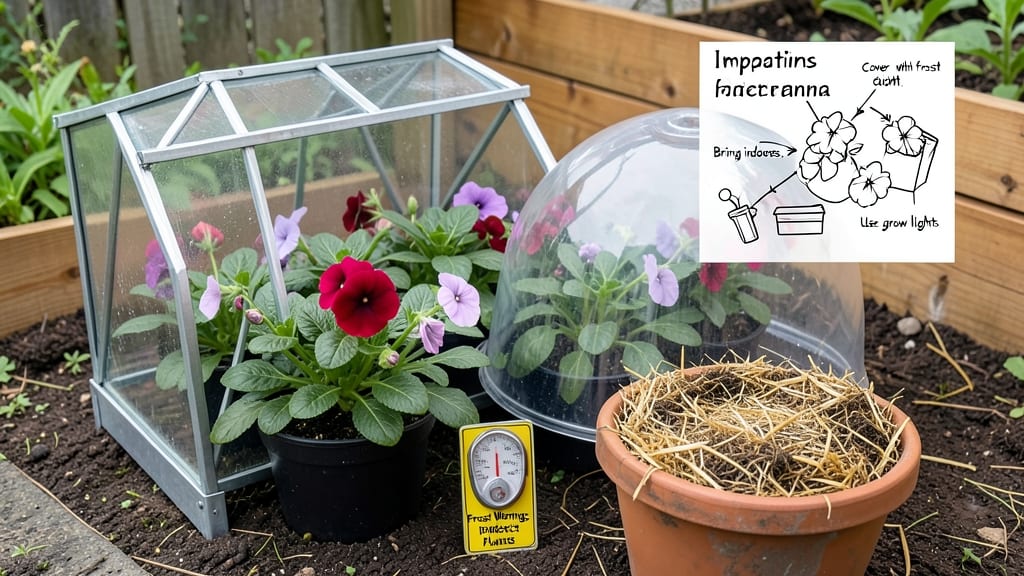
How to over winter impatiens can save you from saying goodbye to your shade-loving stars—if you act now. 🌱 I’ve saved mine through winters by treating them like delicate houseguests, not throwaways. Most gardeners toss them after frost, but with the right moves, you’ll have next summer’s shade-loving stars waiting in the wings.
The secret isn’t complicated: in colder zones, bring plants indoors before temps drop below 40°F, while zones 9-11 can often mulch heavily and hope for mild winters.
I’ve overwintered mine in bright basements or under grow lights, trimming back foliage to conserve energy. The key is keeping roots alive—no soggy soil, no drafts, just patience.
By spring, you’ll see fresh growth pushing through, ready to repot and replant. The payoff? Four to six weeks of head-start blooms over store-bought plants, and the joy of watching familiar faces return year after year. No more sad faces when the first frost hits.
Fair warning: impatiens are finicky—overwatering or sudden temperature swings will kill them. But master this, and you’ll have shade gardens that keep giving. Let’s get those plants through winter alive!
📚 In This Guide
- What you need
- Instructions
- Tips and common mistakes
- Wrapping up and next steps
What you need
- ● Impatiens plants: Healthy, disease-free specimens (1–5 plants, depending on your space and goals). Choose varieties like Impatiens walleriana or Impatiens hawkeri for best results.
- ● Containers: Clean, well-draining pots (5–7 inches in diameter) with drainage holes. Use plastic (for affordability) or terracotta (for breathability). Quantity: 1 per plant.
- ● Potting mix: High-quality, sterile seed-starting mix or well-draining potting soil (avoid garden soil—it’s too dense!). Quantity: ~1 gallon per pot.
- ● Perlite or vermiculite: Amend your potting mix with 20–30% perlite or vermiculite to improve drainage and aeration.
- ● Slow-release fertilizer: A balanced, organic fertilizer (e.g., 10-10-10 or 5-5-5) with micronutrients. Use 1–2 tbsp per pot mixed into the soil.
- ● Pruning shears: Sharp, sterilized shears (rubbing alcohol works!) to trim back leggy stems by 1/3 before overwintering.
- ○ Rooting hormone (optional but helpful): A gel or powder (e.g., Clonex or Hormex) to encourage root growth if propagating cuttings.
- ● Grow lights: A full-spectrum LED grow light (e.g., 15W–20W bulb) for 12–14 hours of light per day during short winter days. Place ~6–12 inches above plants.
- ● Thermometer/hygrometer: A digital combo unit to monitor temperature (60–70°F) and humidity (40–60%).
- ● Misting bottle or humidifier: To maintain consistent moisture without soggy soil. A pebble tray with water also works!
- ● Insecticidal soap or neem oil: For preventative pest control (check plants weekly for aphids, spider mites, or whiteflies).
- ○ Plastic wrap or clear dome: A humidity tent (optional) to create a mini greenhouse effect during acclimation.
- ● Label your plants! Use waterproof tags to track varieties and overwintering dates.
- ● Test your soil pH: Aim for 6.0–7.0—impatiens thrive in slightly acidic to neutral soil.
- ● Have a backup plan: Keep a few extra pots and cuttings in case of root rot or pests.
Step-by-step instructions for overwintering impatiens
Here's how to save your beloved impatiens through winter—no fancy equipment needed.
🌿 Step 1: Select Healthy Plants and Prepare for Transition
Start by choosing the healthiest, most vigorous impatiens in your garden. Look for plants with firm stems, deep green leaves, and no signs of disease or pests. These are the ones that’ll survive winter best. If your plants are already showing stress, it’s better to start fresh next year.
About 4-6 weeks before the first frost, reduce watering gradually. Let the soil dry out slightly between waterings—this helps toughen the plants and prepares them for dormancy. You’ll know you’re doing it right when the leaves start to yellow and drop naturally. This is normal and part of the process.
🪴 Step 2: Dig Up and Trim the Plants
When nighttime temperatures consistently drop below 40°F, it’s time to dig up your impatiens. Use a garden fork or trowel to carefully lift the plants, trying to keep as much of the root system intact as possible. Shake off excess soil to inspect the roots—healthy roots should be white or light tan and firm.
Trim back the foliage by about two-thirds using clean, sharp pruners. This reduces the plant’s need for water and energy while it’s dormant. Remove any yellow or damaged leaves, but leave a few healthy ones if possible. Store the trimmed material in your compost bin—it’ll break down quickly and enrich your soil next season.
💧 Step 3: Store Roots in a Cool, Dark, and Moist Environment
Place the trimmed impatiens roots in a paper bag or cardboard box lined with slightly damp sphagnum moss or peat moss. The moss should feel damp but not soggy—like a wrung-out sponge. This keeps the roots from drying out while allowing them to stay dormant. Label the bag with the variety and date to avoid confusion later.
Store the bag in a cool, dark place where temperatures stay between 40-50°F, like a garage, basement, or unheated crawl space. Check the moss every 4-6 weeks and mist it lightly if it feels dry. Overwatering is the biggest mistake here—rotting roots won’t survive the winter. If you notice any mold or foul smells, toss the roots and start fresh next year.
☀️ Step 4: Monitor and Prepare for Spring Planting
About 6-8 weeks before your last frost date, move the stored impatiens roots to a bright, indirect light location indoors. This helps them wake up from dormancy gradually. You’ll see new growth within 2-3 weeks—this is your signal that it’s time to start preparing for planting.
Once the roots show new shoots and leaves, repot them in 4-inch pots filled with fresh potting mix. Water lightly and place the pots under grow lights or in a sunny window to encourage strong growth. Harden them off outdoors for 1-2 weeks before transplanting into the garden after the last frost. Plant them in the same spot or a location with similar growing conditions for best results.
Tips & tricks for overwintering impatiens
Here's the thing—overwintering impatiens successfully comes down to a few key tricks that'll make all the difference between thriving plants next spring and sad disappointment.
Timing is Everything: Pay close attention to those 4-6 weeks before the first frost timing guidelines. This is when you start reducing water gradually—don't rush it! The goal is to let the plants naturally slow down their growth. I've learned this the hard way after watching plants stressed by sudden cold. Look for that natural leaf yellowing as your cue that the process is working.
Root Inspection Matters: When you dig up your impatiens in Step 2, take that extra minute to really inspect the roots. Healthy roots should be firm and white or light tan—anything darker or mushy means that plant won't survive. I always bring a small container of water to rinse off the roots so I can see them clearly. This simple step has saved me from bringing home compromised plants multiple times.
Storage Wisdom: For the 40-50°F storage temperature range, I recommend using a basement or garage that doesn't get much below 40°F. If your space gets colder, consider adding a small heating pad on low setting near the storage container. The key is maintaining that consistent temperature without letting it get too warm—anything above 50°F can wake the roots prematurely. I've seen impatiens roots actually sprout in storage when temperatures creep too high.
Spring Wake-Up Strategy: That 6-8 weeks before last frost timing for moving roots to bright light is crucial. I start mine in a north-facing window where they get indirect light. You'll notice new growth within 2-3 weeks—this is your signal to start preparing pots. The secret here is patience: don't rush the hardening off process. I've seen impatiens shocked by sudden outdoor exposure after only a week of acclimation.
Pro Tips for Over Winter Impatiens
- Here's the thing—overwintering impatiens successfully comes down to a few key tricks that'll make all the difference ...
- Timing is Everything: Pay close attention to those 4-6 weeks before the first frost timing guidelines. This is when y...
- Root Inspection Matters: When you dig up your impatiens in Step 2, take that extra minute to really inspect the roots...
Frequently asked questions
Got questions about overwintering impatiens?
You’re not alone! Here are answers to the most common concerns—so you can keep your plants thriving until spring.
Can impatiens survive winter outdoors in cold climates?
Most impatiens (Impatiens walleriana) are tender perennials and won’t survive freezing temps (below 32°F/0°C). However, Impatiens balsamina (garden impatiens) might tolerate light frost if mulched heavily. For true cold hardiness, opt for Impatiens capensis (jewelweed), which can handle Zone 3-9 with proper winter care.
When is the best time to bring impatiens indoors for overwintering?
Start moving potted impatiens indoors 4-6 weeks before the first frost (usually late summer/early fall). Wait until after they’ve finished blooming to reduce stress. If left outside too long, they may suffer from cold shock or pests like spider mites.
What’s the easiest way to overwinter impatiens without much space?
Try stem cuttings! Snip healthy stems (4-6 inches), remove lower leaves, and dip in rooting hormone. Plant in moist potting mix under grow lights or a sunny windowsill. Keep soil consistently damp (not soggy) and roots should form in 4-8 weeks.
Why did my overwintered impatiens look leggy or weak in spring?
Leggy growth usually means lack of light or overwatering during dormancy. Place plants near a south-facing window or under grow lights (12-14 hours/day). Pinch back leggy stems by 1/3 to encourage bushier regrowth. Reduce watering—let the top inch of soil dry between waterings.
Are there cold-hardy impatiens alternatives for year-round color?
If impatiens are too finicky, try these low-maintenance, cold-tolerant picks:
- Heuchera (coral bells): Thrives in Zones 4-9, loves shade, and blooms sporadically.
- Lamium (dead nettle): Handles Zone 3-9, blooms all season, and resists deer.
- Violas/Pansies: Survive light frost (Zone 5+) and bloom nonstop.
Wrapping up and next steps
Overwintering your impatiens is totally doable with the right care—and the reward is a vibrant, bountiful garden next spring! 🌱 Whether you’re bringing them indoors, digging up tubers, or protecting them in place, these hacks ensure your plants thrive.
Now that you’re armed with the know-how, take that first step: pick your preferred method and start prepping your impatiens before the first frost hits. Your future blooms will thank you!